Iran26 February, 20262 min read
Mediator Says US, Iran Made Significant Progress in Geneva Indirect Talks
Oman‑mediated indirect Geneva talks made "significant progress" but produced no agreement Delegations agreed to resume technical follow‑up talks in Vienna next week with IAEA involvement
39 outlets told this the same way.
Geneva U.S.–Iran talks
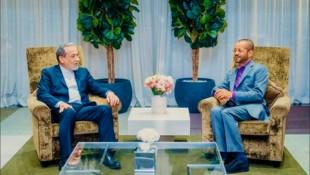
Oman-mediated, indirect U.S.–Iran talks held their third round in Geneva. Omani Foreign Minister Badr al-Busaidi said negotiators had made "significant progress." Iran’s deputy foreign minister Abbas Araghchi said the sessions made "good progress."
“Oman‑mediated, indirect Iran–U.S. nuclear talks in Geneva concluded their third round Thursday evening, with Omani Foreign Minister Badr al‑Busaidi saying negotiators had made ‘significant progress.’”
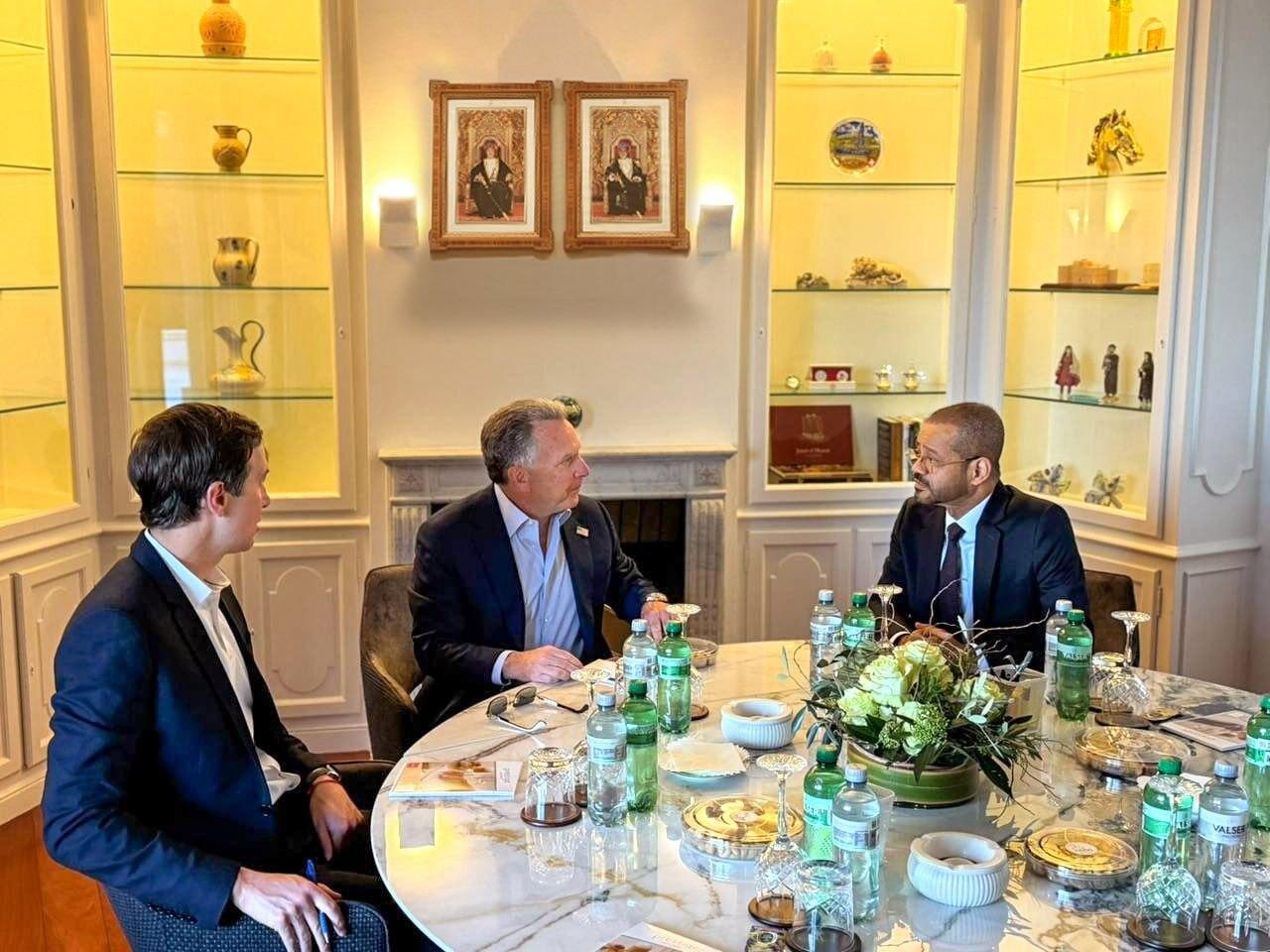
U.S. officials characterized the roughly six-hour meeting as "positive." The talks involved written proposals exchanged through Omani intermediaries and were observed at a technical level by IAEA chief Rafael Grossi. U.S. envoys including Steve Witkoff and Jared Kushner met Iran’s deputy foreign minister Abbas Araghchi via mediation channels.
Nuclear and regional disagreements
Despite talk of progress, core policy differences remained stark and well-publicized. Iranian officials repeatedly said they would "only negotiate nuclear issues," insisted their program is peaceful, demanded sanctions relief and rejected proposals to send enriched material abroad.
U.S. officials pressed for an end to uranium enrichment, rollback of missile capabilities and constraints on Iran's regional support networks, issues Tehran has refused to discuss. Several reports emphasized Iran's refusal to negotiate limits on its ballistic-missile program or its proxy groups as a key obstacle.
Military tensions at Geneva talks
The Geneva meetings unfolded against a backdrop of heightened military and political tension. Multiple outlets reported the U.S. had mounted a substantial naval and air buildup in the Middle East, with one saying it was the largest deployment since the Iraq War. Analysts warned that failed diplomacy could raise the prospect of U.S. military action.
“U.S. and Iranian officials held hours of indirect, Oman‑mediated talks in Geneva but left without reaching a deal, raising fears of further escalation as the U.S. has moved substantial naval and air forces to the region and oil prices have risen.”
Iranian officials warned a U.S. attack would be "devastating" and could make American bases and Israel legitimate targets. U.S. leaders reiterated they reserve the right to act if needed.
Vienna follow-up talks
Both sides said they would consult their capitals and pursue technical-level work. Multiple reports said negotiators planned follow-up technical meetings in Vienna next week and that Oman would continue relaying notes.
The IAEA was expected to play a central technical role in upcoming sessions. Omani officials signaled continued mediation with a possible next round after the Vienna technical discussions.

Geneva meeting reactions
Oman and Iranian officials described progress at the Geneva meeting as "significant" or "most serious". Some Western reporting said U.S. officials found discussions "difficult" or "frustrating", that no breakthrough was reached, and that Washington offered no immediate reaction. Outlets reported Iranian proposals that participants or analysts called potentially "win‑win" in form but that still left major gaps on enrichment levels, sanctions relief and missile-related demands.
“Oman’s foreign minister called the session ‘significant progress,’ while U.S. officials described discussions as ‘difficult’ and ‘frustrating.’ Iranian lead negotiator, Abbas Araghchi, called it the ‘most serious so far.’”