Full story
Ceasefire Amid Escalation
Mediators have passed Iran a proposal to de-escalate the war with the United States by offering a 10-day ceasefire to find ways to revive an interim deal reached last month, a senior Iranian official told Reuters on Monday.
“2 minute read Mediators have presented Iran with a proposal aimed at reducing tensions in its conflict with the United States, calling for a 10-day ceasefire to create an opportunity to restore the interim agreement reached last month, Reuters reported, citing a senior Iranian official who spoke on condition of anonymity”
Iranian President Masoud Pezeshkian said Monday that “the Islamic Republic of Iran is engaged in a full-scale war,” and he urged Tehran to accept the repercussions of the conflict even as the 10-day truce was floated to de-escalate fighting.
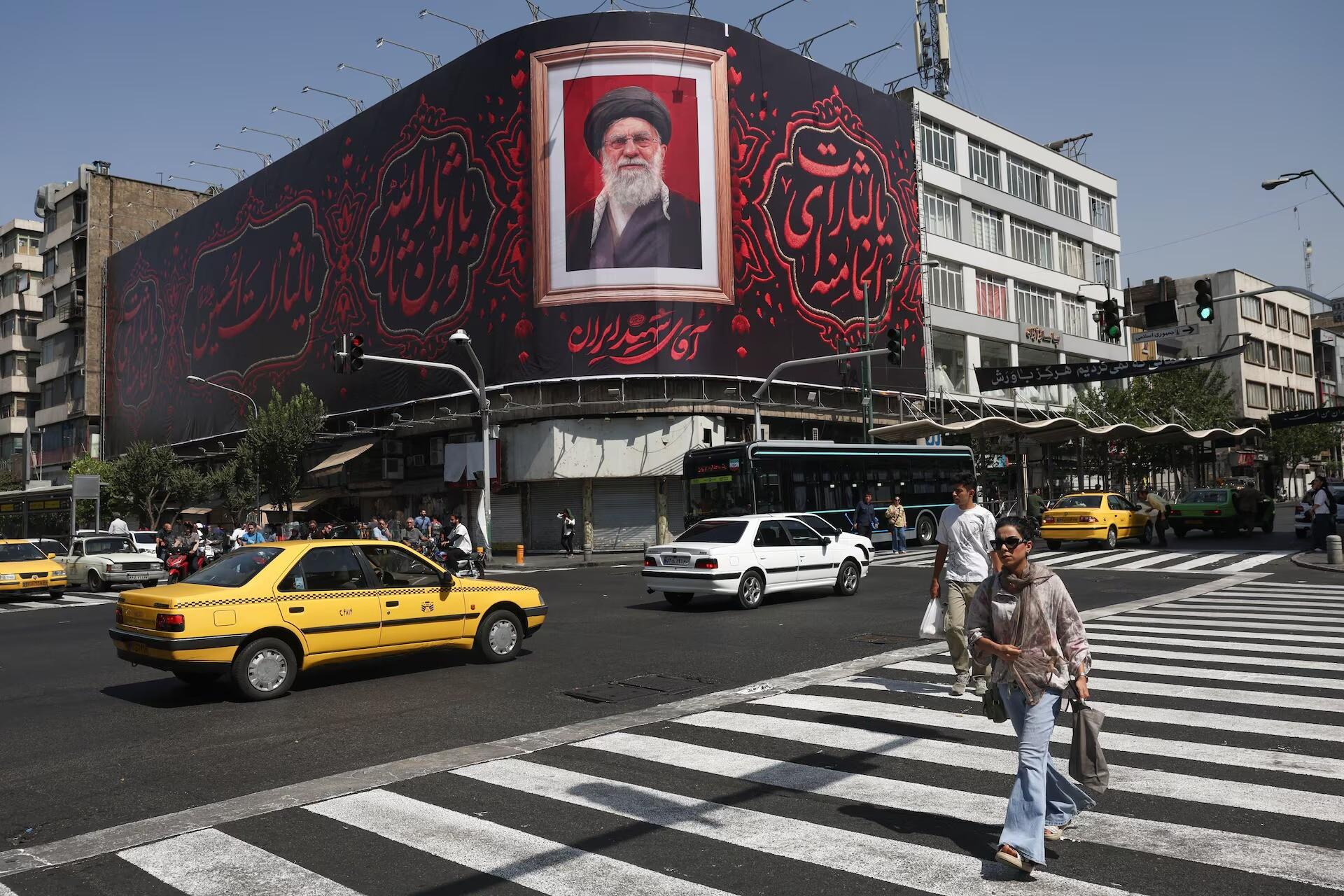
Iran’s top negotiator Mohammad Bagher Ghalibaf said on X that “Americans keep bringing new military equipment to the region and claim they want to stop the war,” while also saying “We’ve reached the stage of mastery in recognizing these American games.”
The Reuters report tied the proposed pause to reviving a memorandum of understanding that included a 60-day ceasefire and mandated the reopening of the Strait of Hormuz, with negotiations lasting up to 60 days on a final agreement.
In the same Reuters account, it was not immediately clear whether Tehran had accepted the proposal, as mediators sought a short-term halt to attacks to create an opportunity to restore the interim arrangement.
Voices and Warnings
Iranian foreign ministry spokesman Esmaeil Baghaei rejected a binary of war or diplomacy, saying at a press conference in Tehran attended by AFP, “I reject the duality of either war or diplomacy.”
Baghaei also said Iran would not allow the Strait of Hormuz to be used by its foes to threaten the country’s security, adding, “We must not allow this waterway to be misused again to threaten Iran’s security and national interests.”
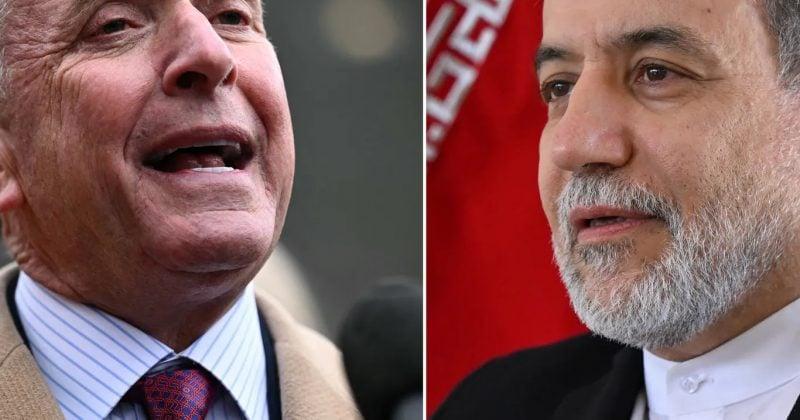
On the U.S. side, a U.S. official told The Washington Post that “The US is planning for a wider war,” while warning that the Pentagon would be “hamstrung” by insufficient stockpiles of air defense and long-range missiles.
The Times of Israel reported that Israel’s security cabinet was set to meet on Monday in light of the conflict, and it described U.S. plans for a potential expansion of military operations against Iran.
In parallel, Ynetnews said U.S. Secretary of State Marco Rubio told that the United States is “open to a diplomatic solution,” even as the United States continued striking Iran overnight for the ninth consecutive night.
What’s at Risk Next
The Reuters reporting described the 10-day proposal as an attempt to revive the memorandum of understanding that had included a 60-day ceasefire pausing the war that broke out with US-Israeli strikes targeting the Iranian regime in late February.
“The United States and Iran signaled on Monday (20) that they would be willing to resume negotiations after more than a week of exchanges of attacks across the Middle East, which buried the ceasefire agreed last month and heightened fears of a large-scale conflict”
The same Reuters account said the memorandum of understanding mandated the reopening of the Strait of Hormuz and included a timeframe for a final deal to permanently end the conflict and reach an agreement on Iran’s nuclear program.
In the background of the ceasefire push, the Times of Israel reported that a vessel operated by Greek shipping firm Dynacom caught fire after it was struck by an unknown projectile eight nautical miles northwest of Oman’s Kumzar overlooking the Strait of Hormuz.
The Times of Israel also said Iran’s Revolutionary Guards force claimed that two oil tankers “exploded” and were immobilized after attempting to take what it called an unsafe southern route through the Strait of Hormuz.
With mediators trying to halt attacks for 10 days, the stakes described in the sources centered on whether the Strait of Hormuz would be reopened and whether the interim deal could be revived, as the U.S. official warned that “We do not have enough to safely sustain operations.”