Member States' Unpaid Dues Push UN Toward Imminent Financial Collapse

Member States' Unpaid Dues Push UN Toward Imminent Financial Collapse

31 January, 202616 sources compared
Other

Key Points from 16 News Sources

  1. 1

    Member states' unpaid mandatory contributions have created a severe liquidity shortfall for the UN

  2. 2

    A budget rule requiring return of unspent funds is worsening the UN's liquidity crisis

  3. 3

    Guterres warned program delivery risks collapse and UN funds could be exhausted by July

Full Analysis Summary

UN funding crisis warning

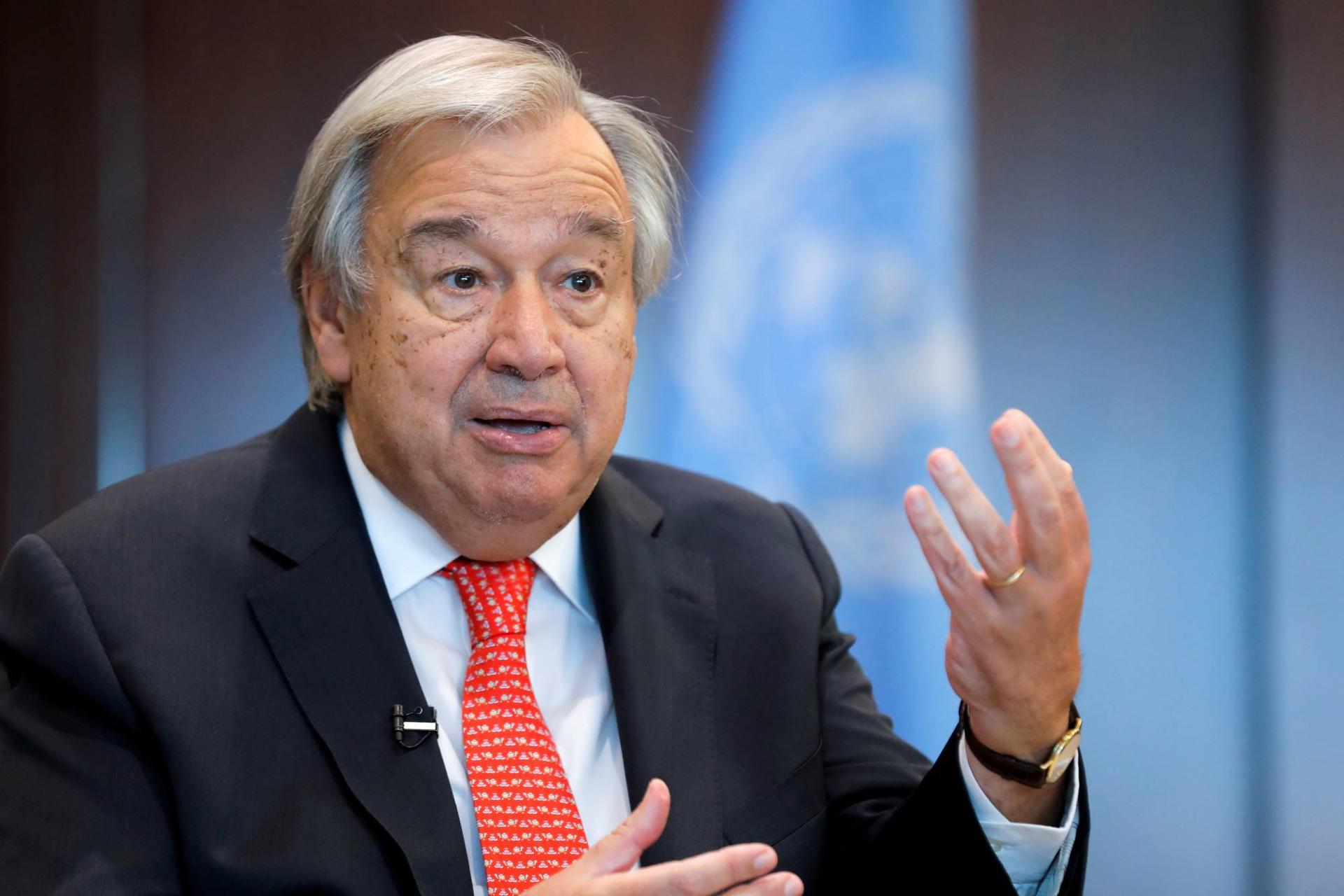
On Jan. 28, UN Secretary-General António Guterres warned in a letter to all 193 member states that the United Nations faces an "imminent financial collapse" unless members pay assessed dues or overhaul antiquated financial rules.

He said outstanding assessed contributions reached a record of about $1.57 billion by the end of 2025.

He warned that liquidity could run out by July, which would threaten delivery of programmes worldwide.

Coverage Differences

Emphasis and figures

Most mainstream outlets (BBC, CNN, ABC News, NewsRadio) report the core figures: a record $1.57 billion in outstanding assessed contributions and the risk of running out of cash by July, and they emphasize the letter from Guterres and the need to change rules. By contrast, thenationalnews (Western Alternative) emphasizes much larger U.S. arrears across multiple UN accounts — putting U.S. outstanding obligations far above the $1.57bn figure reported for assessed contributions — and thus frames the crisis more as a consequence of U.S. non-payment. Each source is reporting different emphases or accounting scopes (assessed contributions vs. multiple account arrears).

Source naming vs non-naming of debtors

Some sources note Guterres 'did not name countries' (CNN, NewsRadio), while others (thenationalnews, ABC News) provide specific breakdowns attributed to UN officials or other reporting that identify U.S. arrears and amounts. This difference reflects whether the outlet stresses Guterres' caution about naming debtors or seeks out separate official accounting to name particular states.

UN budget reform issues

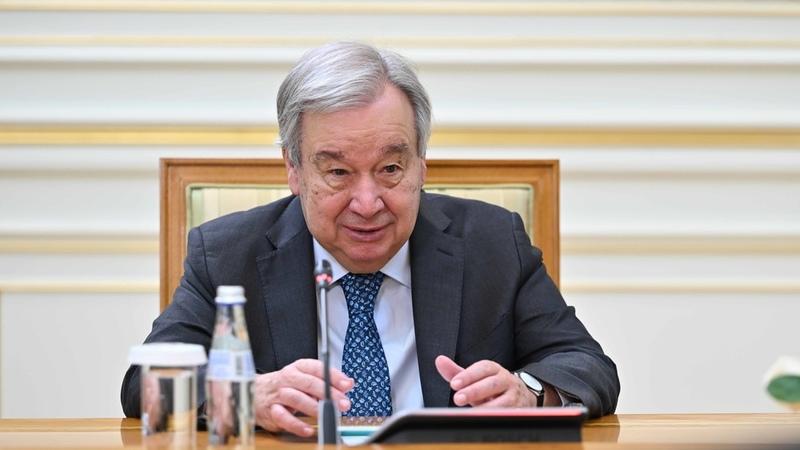
Guterres pinpointed an outdated budgetary rule that forces the UN to 'credit back' or return unspent programme funds as a central structural problem that exacerbates cashflow shortages.

The organisation recently had to refund $227 million under that process despite never having received the payments, worsening an already record shortfall.

He has convened a UN80 reform task force to address these issues.

Member states agreed to reduce the 2026 regular budget by about 7% to $3.45 billion as part of broader cost-cutting and efficiency drives.
Coverage Differences

Focus on rule vs budget cuts

Some sources foreground Guterres' criticism of the 'antiquated' refund rule and call it a 'Kafkaesque cycle' (CNN, Devdiscourse, Sharecafe), while other reporting (CNN, Devdiscourse) emphasizes the parallel political response of a UN80 task force and an agreed 7% budget cut. The contrast is between structural-rule reform as the core fix versus immediate austerity and budget trimming.

Reporting on specific refunded sums

Several outlets (BBC, Arise News) report the concrete figure of $227m refunded as an immediate symptom of the rule's perverse effect; those numbers are used to underscore the practical damage of the rule, while outlets focused on political explanations highlight donor behaviour (e.g., U.S. cuts) as the proximate driver.

Media coverage of aid shortfall

Reporting differs on culpability and political drivers.

Many outlets link the shortfall to U.S. policy choices, citing cuts to voluntary funding, withdrawal from agencies, and unfinished mandatory payments.

Others caution that Guterres did not explicitly name states in his letter.

Al Jazeera and Arise News highlight the U.S. retreat from multilateralism and policy decisions under the Trump administration.

Which actors are named or emphasized varies across different source types.

Coverage Differences

Attribution of blame

Al Jazeera (West Asian) and Arise News (African) explicitly connect the crisis to U.S. policy choices such as cuts, withdrawal from agencies and refusal to pay some mandatory contributions, while CNN and NewsRadio (Western Mainstream) stress Guterres' warning without naming states and provide percentage shares (U.S. 22%, China 20%). thenationalnews (Western Alternative) goes further in naming U.S. arrears and quoting a U.S. envoy defending cuts. The differences reflect editorial choices about naming culpable governments versus presenting the secretary-general's un-named warning.

UN funding and operations

Operational strain is already visible: BBC reports turned-off escalators and reduced heating at UN headquarters.

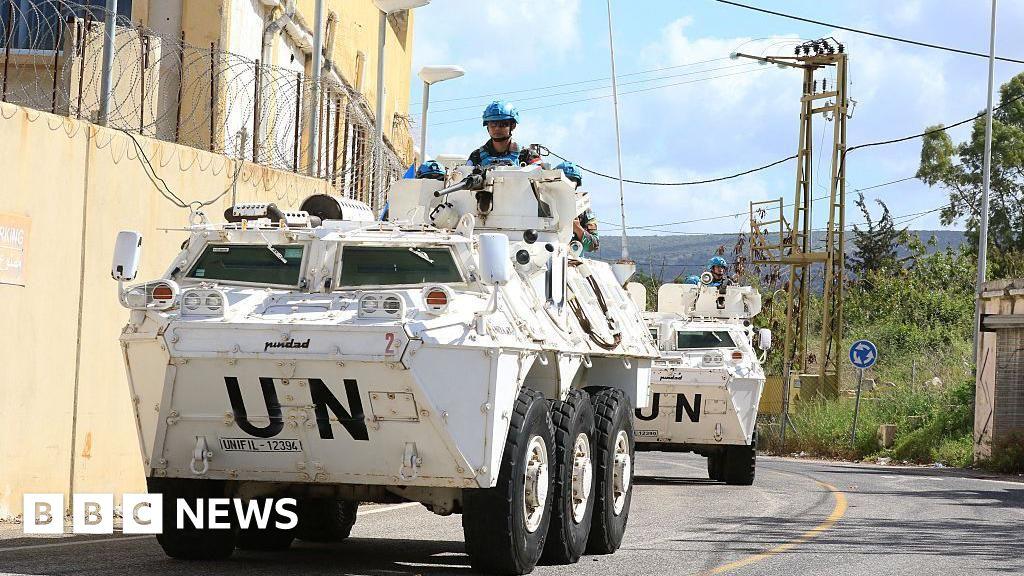
UN officials say reimbursements to troop-contributing countries have been delayed and peacekeeping funding has been cut, risking mission delivery.

Some outlets warn the cash crunch could force extreme measures such as closing the New York headquarters or cancelling the General Assembly if liquidity collapses.

The UN has urged members to pay in full and on time or to agree to fundamental rule changes to avert these outcomes.
Coverage Differences

Severity of operational impacts reported

BBC (Western Mainstream) provides concrete, visible signs of strain at UN headquarters (turned‑off escalators, reduced heating) and notes humanitarian programmes are 'especially strained'; thenationalnews (Western Alternative) includes warnings that the UN could be forced to close its New York headquarters by August and cancel the September General Assembly — a more dramatic projection — while mainstream outlets (ABC, CNN) stress risks to peacekeeping reimbursements and programme delivery. The variation shows some outlets focus on immediate, tangible austerity measures while others emphasise higher-stakes institutional disruptions.

Debate over UN funding

UN Secretary-General António Guterres called on all member states to pay in full and on time or to change antiquated rules to prevent institutional collapse.

Civil society groups such as Human Rights Watch, reported by Al Jazeera, urged governments to protect the UN rather than adopt 'pay-to-play' reforms.

Some governments defended cuts as a refusal to give 'blank checks' and argued for reducing 'ideological waste', reflecting a policy debate between safeguarding the institution and trimming perceived excess.

The resulting funding gap is already disrupting reimbursements and risking peacekeeping operations and other critical programmes worldwide.
Coverage Differences

Prescriptive narratives

Guterres and UN spokespeople (BBC, CNN, ABC) frame the solution as either payment or structural rule change; civil society warnings (Al Jazeera quoting Human Rights Watch) urge protecting the UN. Government spokespeople cited in thenationalnews and Arise News justify cuts as limiting 'ideological waste' or refusing 'blank checks.' The difference shows competing prescriptions: preserve UN financing vs. use cuts to force reform or re-prioritise spending.

All 16 Sources Compared

ABC News

United Nations faces 'imminent financial collapse' without urgent action, UN chief says

Read Original

AKIpress News Agency

UN faces imminent financial collapse, warns Secretary-General

Read Original

Al Jazeera

Guterres warns UN faces ‘imminent financial collapse’

Read Original

Arise News

UN Warns Of ‘Imminent Financial Collapse’ As Member States Default On Dues

Read Original

BBC

UN risks 'imminent financial collapse', secretary general warns

Read Original

CNN

Guterres warns of UN’s ‘imminent financial collapse’

Read Original

Devdiscourse

UPDATE 2-Guterres warns of UN's 'imminent financial collapse'

Read Original

Gdnonline

Guterres warns of UN’s ‘imminent ‘financial crisis’

Read Original

News Ghana

Guterres Warns UN Faces Imminent Financial Collapse

Read Original

NewsRadio 1370 AM & 92.9 FM WSPD

United Nations In Danger Of 'Imminent Financial Collapse'

Read Original

Sharecafe

UN Faces 'Imminent Financial Collapse'

Read Original

The Business Standard

UN chief Guterres warns of 'imminent financial collapse'

Read Original

The Express Tribune

U.N. faces 'imminent financial collapse'

Read Original

thecitizen.co.tz

UN chief warns of looming financial crisis as unpaid dues threaten operations

Read Original

thenationalnews

UN warns of risk of 'imminent financial collapse'

Read Original

WKZO

Guterres warns of UN’s ‘imminent financial collapse’

Read Original