Full Analysis Summary
UK 2025 sunshine record
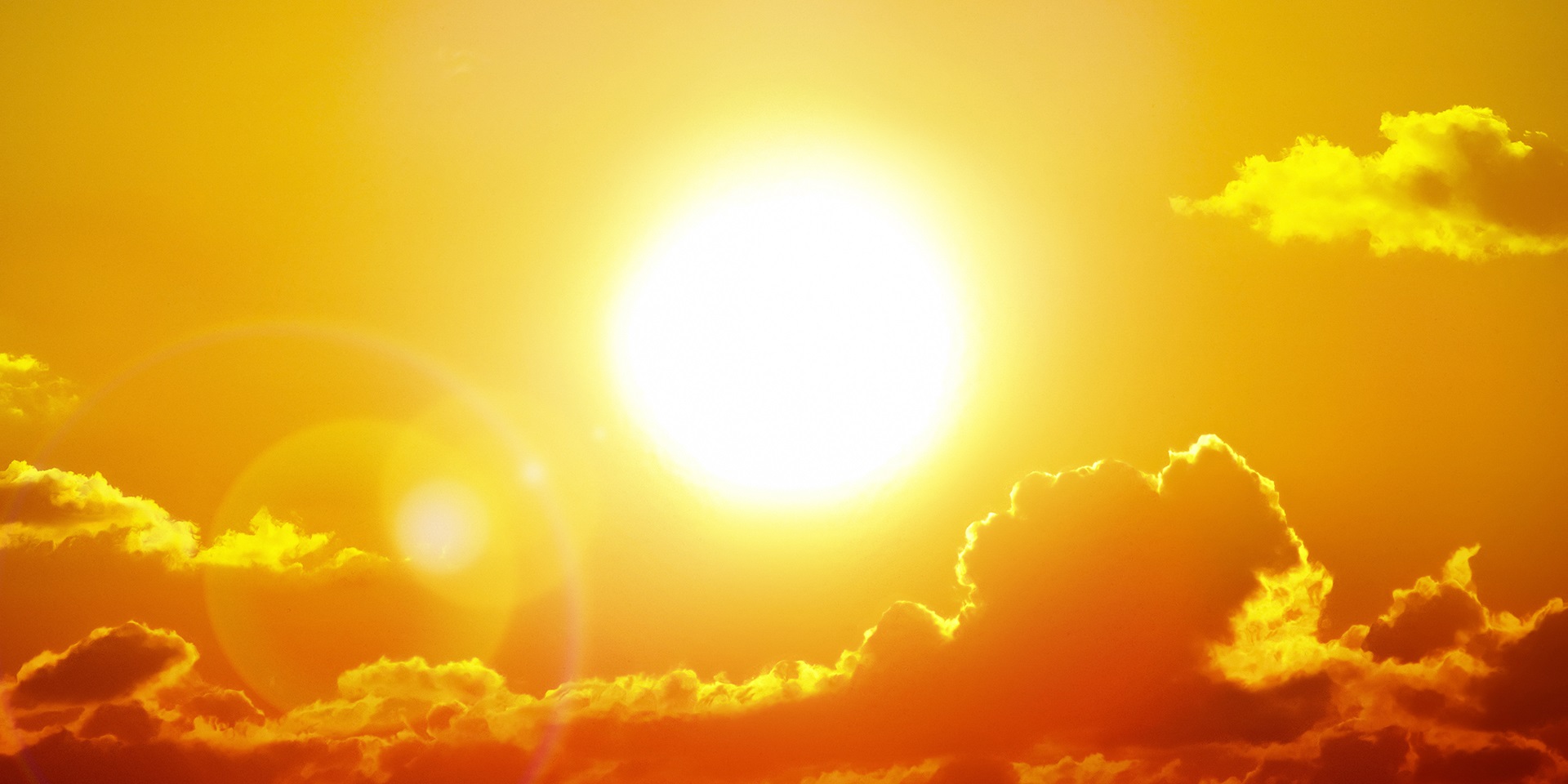
The Met Office and national media agreed that 2025 has been exceptionally sunny, with provisional figures showing a new record of 1,622 hours of sunshine by mid-December, beating the previous 2003 record.
An exceptionally sunny spring and summer left every month except February and October above average.
The Met Office said the UK was on track to record its sunniest year ever in 2025, and the BBC and Daily Mail reported provisional data indicating 1,622 hours of sunshine by mid-December.
Coverage Differences
Emphasis / Framing
The three sources differ in national framing and emphasis. The Met Office describes the situation as the UK being "on track" for its sunniest year and presents a cautious institutional voice; the BBC presents the data as a UK‑wide record since 1910 and stresses the provisional nature of the figures; the Daily Mail frames the story specifically as an England record and highlights the headline hours figure. Each source is reporting the Met Office data but selects a different headline emphasis.
Exceptional spring and causes
The record year was driven by an exceptional spring: March was the third-sunniest, April the sunniest, and May the second-sunniest.
Many areas saw large positive departures from normal.
The Met Office highlighted unusually large spring gains and noted that most areas received more than 35% extra sunshine this spring.
The Daily Mail called the spring exceptional and said that spring and summer were the warmest on record by mean temperature.
The BBC explained the meteorological pattern as a run of frequent high-pressure systems and a northward-shifted jet stream that blocked cloud and rain.
Coverage Differences
Tone and detail on causes
Sources differ in how they treat causes and tone. The BBC gives meteorological explanation—"frequent high-pressure systems and a northward‑shifted jet stream"—as the immediate driver; the Met Office reports the observed month‑by‑month statistics and quantifies the spring anomaly; the Daily Mail adds an emphatic human‑readable label (“exceptional”) and explicitly pairs the sunshine with being the "warmest on record" for spring and summer. The BBC is more explanatory about weather mechanisms, the Met Office offers measured statistics, and the Daily Mail emphasizes the dramatic severity.
UK sunshine records by country
Regional patterns were uneven: England set a new national record, Scotland was on course for its second-sunniest year, Wales for its sixth, and Northern Ireland, while above average, was not in the top ten at the time of reporting.
The BBC provides the most detailed national breakdown, noting that only England set a new national record, Scotland is on course for its second-sunniest year, Wales its sixth, and Northern Ireland, although above average, is not currently in the top ten.
The Daily Mail echoes similar country rankings, while the Met Office highlights broader area gains, including the largest positive departures in eastern England and northern Scotland.
Coverage Differences
Level of regional detail and focus
BBC presents granular national rankings and specific regional departures; the Daily Mail reproduces country rankings while focusing on England’s headline record; the Met Office highlights area‑level percentage gains and notes where the biggest positive departures occurred. The BBC’s reporting is more specifically comparative across the four nations, the Daily Mail foregrounds the England headline, and the Met Office supplies the statistical magnitude.
Solar power and media coverage
The sunny year had a clear energy impact, with grid managers and forecasters noting a boost to solar generation.
The Met Office reported that solar had supplied over 6% of Great Britain's annual energy to date, almost a 50% rise on recent years, and delivered more than 10% of demand from April–August.
It said solar hit a record on 8 July with over 14 GW, providing more than 40% of Great Britain's electricity at the time.
The Daily Mail repeated the solar figures and framed the conditions as an opportunity to expand solar power.
The BBC focused on the meteorological record and measurement practices and did not emphasise the energy angle.
Coverage Differences
Narrative focus (energy vs. meteorology)
Met Office and Daily Mail foreground the energy consequence—explicit percentages and an output record—while the BBC concentrates on meteorological records and measurement technique without the same emphasis on grid impacts. Met Office provides operational context about forecasting and system management, Daily Mail highlights expansion opportunities, and BBC omits a sustained energy narrative in the quoted text.
Uncertainty in long-term trends
On longer timescales the sources converge on uncertainty: the Met Office and the Daily Mail both note a long-term brightening since the 1980s.
Both outlets say the cause is unclear, suggesting natural variability or reduced aerosols as possibilities, and they note that climate models do not show a straightforward future trend.
The Met Office said full 2025 figures will be published on 2 January 2026 with an interim update due next week.
The Daily Mail said updated rankings would be published next week, and the BBC stressed the provisional nature of the current figures.
Coverage Differences
Causation framing and caution
All three sources report the Met Office’s cautious stance on long‑term drivers: Met Office and Daily Mail quote uncertainty about whether the post‑1980s brightening is due to natural variability or reduced aerosols and note that models offer no clear future trend. The BBC highlights the provisional numbers and measurement approach rather than debating causation in the quoted text. The Met Office’s institutional caution appears in all accounts; the Daily Mail reproduces that caution while pairing it with its stronger headline framing.