USA02 February, 20262 min read
Mexico Defies Trump, Pledges Fuel and Humanitarian Aid to Cuba
Mexico's president pledged to send humanitarian aid, including food, to Cuba this week. Mexico is exploring diplomatic avenues to deliver fuel to the Cuban people despite U.S. pressure.

9 outlets told this the same way.
Outlets did split on Trump Interrupted by Protesters at San Antonio Rally for Ken Paxton →
Mexico sending aid to Cuba
Mexico’s president, Claudia Sheinbaum, announced Mexico will send humanitarian aid, including food, to Cuba this week.
“Mexico’s president Claudia Sheinbaum said Sunday she will send humanitarian aid, including food, to Cuba this week and that her government seeks a diplomatic, humanitarian solution on oil deliveries.”
She said the government is seeking diplomatic and humanitarian routes to continue providing fuel while rejecting U.S. pressure to halt deliveries.
Sheinbaum denied discussing Cuban affairs with U.S. President Donald Trump after he later claimed he had asked her to suspend shipments.
Mexican officials said they are exploring diplomatic channels to resolve oil delivery issues while delivering urgent relief.
The decision follows Venezuela’s suspension of oil shipments after a U.S. operation that removed Nicolás Maduro, leaving Mexico as the main external supplier as Cuba faces acute shortages.
Mexican oil to Cuba
Reports disagree on how much Mexican oil is currently reaching Cuba and on how quickly supplies are dwindling.
The Associated Press cites Pemex shipments of nearly 20,000 barrels per day to Cuba from January through Sept. 30, 2025.
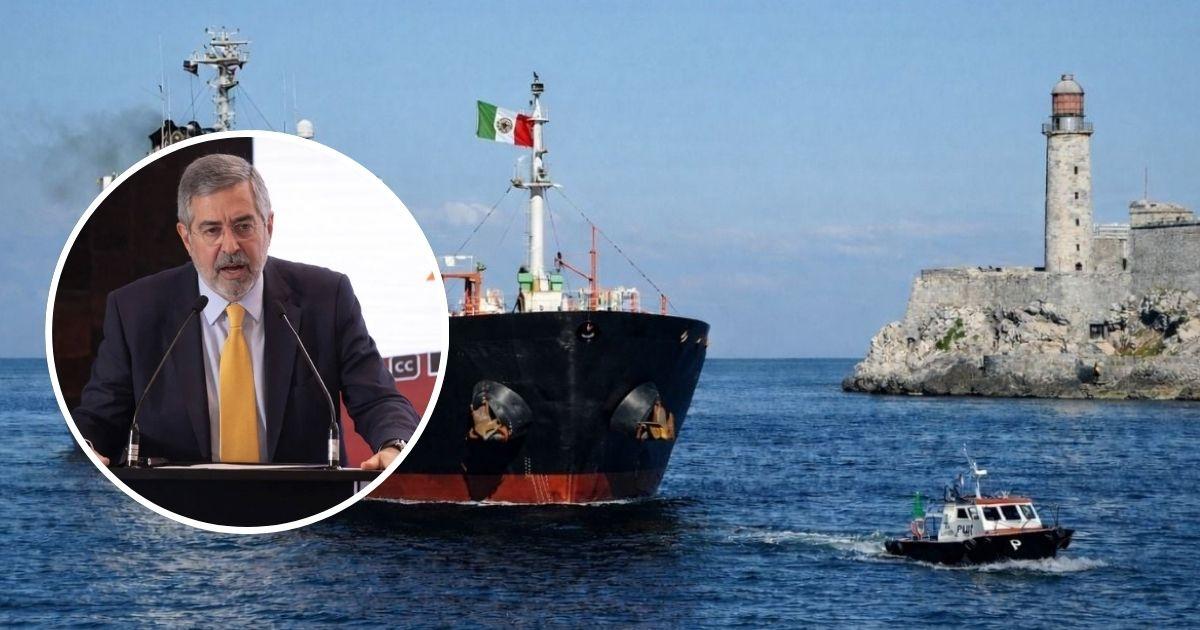
Satellite-tracking experts cited in Devdiscourse say volumes fell to about 7,000 barrels per day after a high-profile U.S. visit.
Consultancy warnings quoted by The Guardian say Cuba could run out of fuel within weeks, underscoring divergent data points and a rapidly changing supply picture.
U.S. pressure on Mexico
Washington has escalated pressure on Mexico and other countries that support Cuba by making public appeals and threatening tariffs.
“Mexico’s president, Claudia Sheinbaum, vowed to send humanitarian aid to Cuba this week and said Mexico is 'exploring all diplomatic avenues' to deliver fuel, rejecting US pressure after President Donald Trump signed an executive order authorizing tariffs on countries that sell oil to Cuba.”
Sources report both former President Trump’s direct public urging and U.S. executive action authorizing tariffs on countries selling oil to Cuba.
U.S. political figures and commentators criticized Mexico’s move to aid Cuba, with Republican Rep. Carlos Gimenez calling the aid support for a 'murderous and cruel dictatorship,' according to Latin Times.
Mexican officials, including the foreign minister, say Mexico will continue humanitarian cooperation and seek legal and diplomatic clarity on sanctions.
Reactions to Mexico's Aid
Commentators and regional outlets emphasize the geopolitical stakes. Some see Mexico's aid as an assertion of independence and a boost to regional influence, while U.S. outlets and politicians frame it as a provocation or policy misstep. El-Balad explicitly describes the aid's "clear geopolitical overtones" and casts it as countering U.S. pressure and the embargo.
The Guardian highlights Mexico's balancing act, noting praise from Sheinbaum's Morena party at home and criticism from U.S. politicians abroad. The Miami Herald and Latin Times report domestic and diaspora criticism in the U.S., suggesting the move could deepen bilateral tensions. Mexico, meanwhile, stresses solidarity and legal justification for the aid.

Mexico-Cuba fuel crisis
It is uncertain how long Mexico can sustain fuel deliveries without triggering punitive measures, how quickly Cuban shortages will worsen, and whether diplomatic engagement with the U.S. will avert escalation. Sources diverge on the scale and timeline: The Guardian warns of fuel exhaustion 'within weeks,' AP provides earlier Pemex shipment totals, and Devdiscourse reports satellite-based declines. Taken together, these reports signal a high-risk, fast-moving humanitarian and diplomatic situation with contradictory data points that make short-term forecasting difficult.
“Mexico has become Cuba’s main oil supplier since Caracas’s deliveries were halted, and Cuba faces acute shortages — consultancy Kpler says it could run out of fuel within weeks.”