Mexico Slaps Up to 50% Tariffs on Imports From India and China

Mexico Slaps Up to 50% Tariffs on Imports From India and China

11 December, 202514 sources compared
Mexico

Key Points from 14 News Sources

  1. 1

    Senate approved tariffs of 5–50% on over 1,400 products from non‑FTA countries

  2. 2

    Measures primarily target Chinese and Indian exports, especially cars, auto parts and textiles

  3. 3

    Tariffs take effect January 1, 2026; Senate passed the bill 76–5

Full Analysis Summary

Mexico's tariff package

Mexico’s Senate approved a sweeping tariff package that will impose duties of roughly 5%-50% on more than 1,400 product categories.

The measures target imports from countries that do not have free-trade agreements with Mexico, including India and China, and are due to take effect on January 1, 2026.

Senators passed the measure in the upper house by a large margin, reported as 76–5 with 35 abstentions.

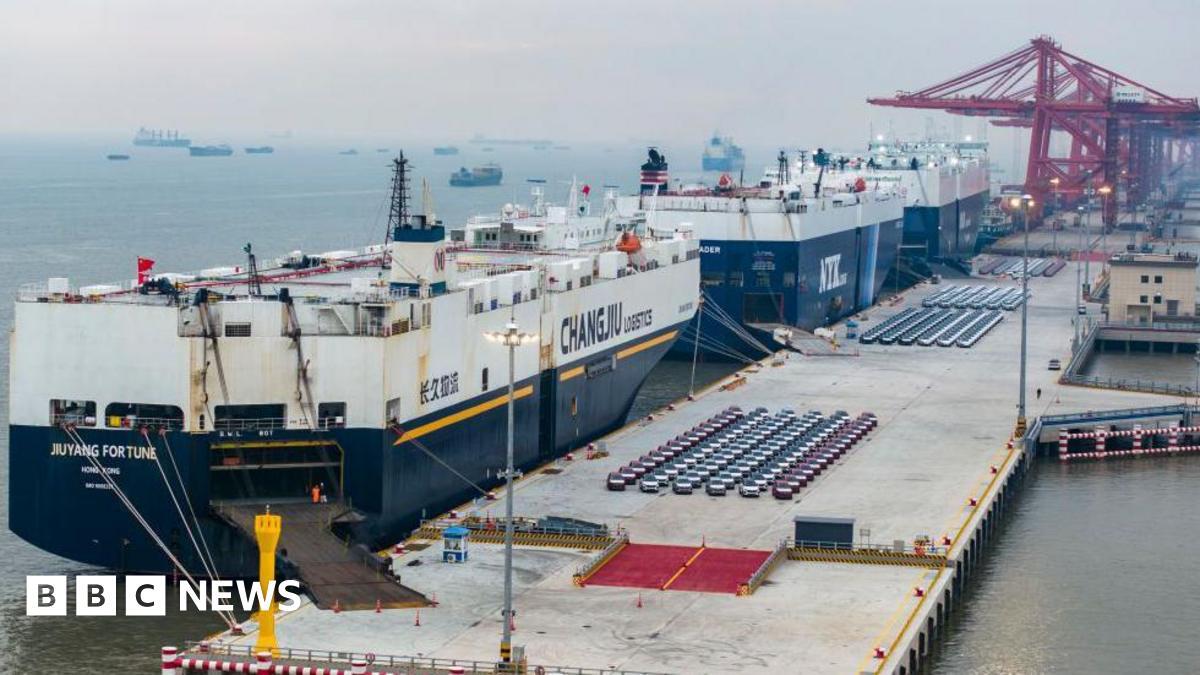
The tariff list focuses on autos, auto parts, passenger vehicles, textiles, plastics, steel and other manufactured goods.

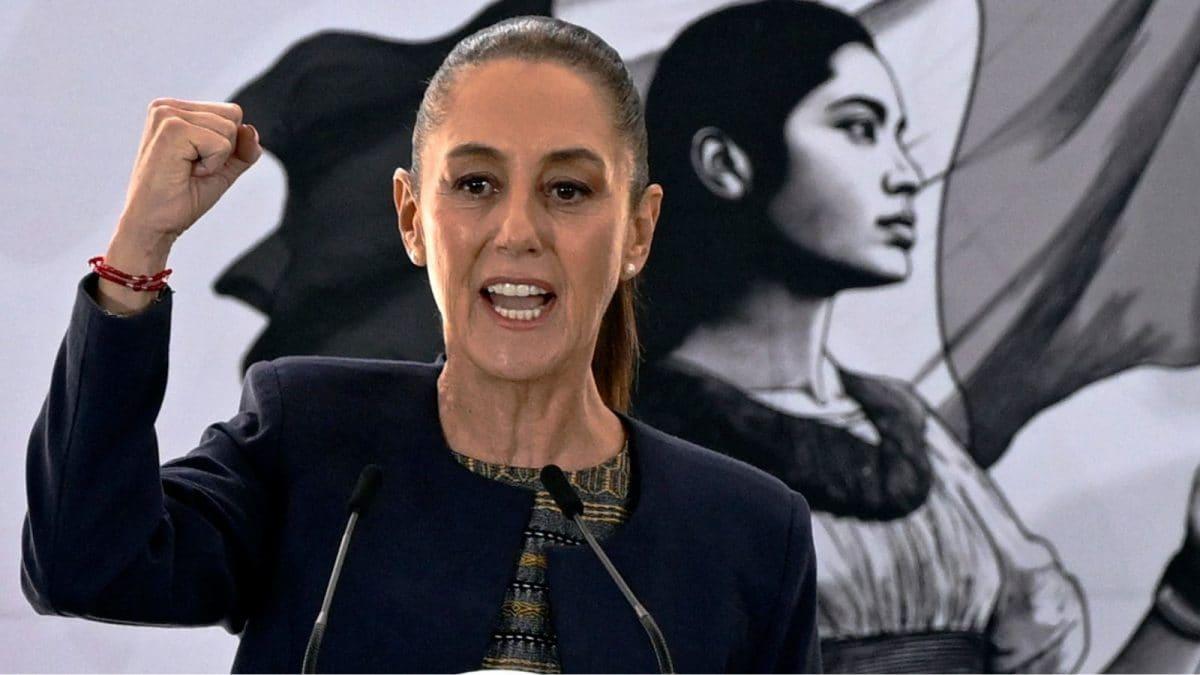
Mexican officials say the move aims to boost domestic production and raise revenue under President Claudia Sheinbaum.
Coverage Differences

Tone and emphasis

Some sources present the change as a broad, revenue-raising industrial policy while others stress its geopolitical targeting. For example, newskarnataka (Other) frames the duties as aimed at “boosting domestic production and raising government revenue under President Claudia Sheinbaum,” while TRT World (West Asian) highlights the vote margin ("the Senate backed it 76–5") and the scaled-back nature of duties relative to earlier proposals. WION (Western Alternative) stresses that the enacted bill is “milder than a previously stricter version,” which emphasizes differences in how severe the measure is presented.

Mexico's tariff justification

Mexican authorities justify the tariffs as protection for domestic industry.

The finance ministry estimates roughly 52 billion pesos (about $2.8 billion) in extra revenue next year.

Officials say the policy will reduce import dependence and shore up jobs.

President Sheinbaum's administration is publicly defending the move as economic protection rather than a geopolitical alignment with the United States.

Some government statements explicitly deny coordination with the U.S., even as analysts note similarities with recent U.S. protectionist steps.
Coverage Differences

Narrative vs. external analysis

Government and pro‑policy outlets emphasize job protection and revenue (newskarnataka, TRT World), while other outlets and analysts draw a link to U.S. trade trends and transshipment concerns (livemint, The Straits Times). Livemint reports Sheinbaum "denied coordination with the U.S., though analysts note the move aligns with recent U.S. protectionist policies," whereas The Straits Times explicitly characterises the move as "bringing Mexico closer to recent U.S. trade moves." This shows divergence between official framing and outside interpretation.

Tariffs on Chinese goods

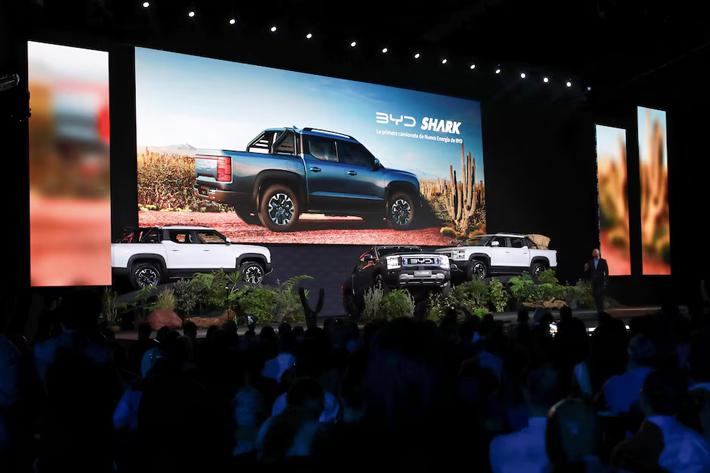
The tariff schedule explicitly targets autos and related sectors, singling out Chinese-made cars for the steepest 50% duty in several categories.

Broader tariff bands of 20–35% or lower will affect textiles, machinery, plastics, electrical equipment and many consumer goods.

Observers note the auto sector’s exposure as Chinese brands supply an increasing share of Mexico’s vehicle market.

Manufacturers warn that higher input costs could cascade into higher domestic prices.

Coverage Differences

Target identification and sectoral emphasis

Most outlets identify autos, parts and textiles as central targets (newskarnataka, News18, livemint), but some (The Straits Times, livemint) specifically single out Chinese cars for the 50% duty and quantify China’s share of Mexico’s auto market. Meanwhile Trade Flock and Hindustan Times stress implications for Indian exporters and auto-makers (including quotes from VW India) to underline a different regional impact. These differences reflect whether a source frames the measure as primarily anti‑China or broadly affecting all non‑FTA exporters.

Global trade reactions

Reactions have been mixed and at times confrontational.

China publicly condemned the measure, warned it would substantially harm its interests, and recalled a trade-barrier probe, according to TRT World.

Indian exporters said the move would compound pressure from recent U.S. trade duties and disrupt key export lines.

Mexican manufacturers warned of higher input costs and inflationary risks.

Exporters and analysts urged rapid market adjustments, exemptions or negotiations.

Coverage Differences

Reaction framing and emphasis

Coverage diverges on which reaction is foregrounded. livemint and TRT World highlight China’s condemnation and potential retaliation (livemint: "China condemned the measure"; TRT World: "China warned the tariffs would 'substantially harm' its interests"), while Trade Flock and Hindustan Times centre the immediate concern of Indian exporters (Trade Flock: "shocked Indian exporters"). Other outlets like The Straits Times emphasise domestic economic risks ("manufacturers warn higher input costs could stoke inflation"). Each source therefore shapes the narrative by prioritising different stakeholders.

Mexico tariff law changes

Beyond immediate trade effects, the law changes policy mechanics.

According to several accounts, the new rules let Mexico's Economy Ministry adjust tariffs without fresh congressional approval, enabling faster responses ahead of the next USMCA review.

The bill still requires presidential ratification and faces practical questions about the final product list and exemptions.

Analysts and exporters urged quick clarifications and negotiation channels to manage supply-chain disruptions and find alternative markets.
Coverage Differences

Policy detail emphasis and process

Some sources emphasise procedural change and executive flexibility (livemint: "the law lets Mexico’s Economy Ministry adjust tariffs without congressional approval"), while others stress the pared‑down tariff bands and the need for formal ratification (TRT World: "must be ratified by Sheinbaum and is expected to take effect on January 1, 2026"). WION again frames the enacted bill as milder than earlier versions, which affects interpretations of how sweeping the change will be in practice.

All 14 Sources Compared

Asia Financial

Mexico Approves Big Tariff Hikes on Chinese, Other Asian Imports

Read Original

BBC

Mexico approves up to 50% tariffs on China and other countries

Read Original

Hindustan Times

Mexico approves up to 50% tariffs on India: Who gets hit the most? | India News

Read Original

livemint

Mexico hits Asian imports with up to 50% tariffs, deals big setback for China — Will India be hit?

Read Original

News18

Why Mexico Is Slapping Up To 50% Tariffs On Asian Goods, And How Big Is The Impact On India?

Read Original

newskarnataka

Mexico imposes tariffs up to 50% on Indian imports from January 2026

Read Original

Observer Voice

Mexico Imposes Tariffs That Could Impact Indian Car Companies

Read Original

South China Morning Post

Mexico slaps tariffs of up to 50% on Chinese goods as US trade pact review looms

Read Original

South China Morning Post

Mexico slaps tariffs of up to 50% on Chinese goods as US trade pact review looms

Read Original

The Economic Times

Mexico Parliament nod to tariffs on India, others prompts FTA push by exporters

Read Original

The Straits Times

Mexico approves up to 50% tariffs on China and other Asian nations

Read Original

Trade Flock

Mexico Imposes 50% Tariff on Imports from India And China

Read Original

TRT World

Mexico approves tariff hike as China warns the move harms key trade interests

Read Original

WION

Tariff war widens: After US, Mexico announces up to 50% tariffs on imports from India, other Asian countries

Read Original