MI5 Warns Parliament: China's MSS Uses LinkedIn to Recruit MPs as Spies

MI5 Warns Parliament: China's MSS Uses LinkedIn to Recruit MPs as Spies

18 November, 202518 sources compared
Britain

Key Points from 18 News Sources

  1. 1

    MI5 warned Chinese Ministry of State Security officers used LinkedIn to target UK parliamentarians

  2. 2

    MI5 named Amanda Qiu and Shirly Shen as recruiters linked to MSS conducting outreach

  3. 3

    Agents posed as headhunters to collect non-public political and economic information for long-term influence

Full Analysis Summary

China-linked recruitment alert

MI5 has circulated an alert to both Houses of Parliament warning that operatives linked to China's Ministry of State Security (MSS) are using LinkedIn and fake recruitment outfits to approach MPs, peers, parliamentary staff and outside policy contributors to recruit and collect information.

The alert names two online profiles - Amanda Qiu (BR-YR Executive Search) and Shirly Shen (Internship Union) - as alleged recruiters acting on behalf of the MSS.

It says the outreach is being carried out at scale to build long-term relationships.

Speakers in both Houses circulated the warning and described the activity as an espionage threat.
Coverage Differences

Reporting detail / name spelling

Sources agree on an MI5 alert naming two recruiter profiles but differ in minor details and spellings: The Guardian and The Independent identify the names and relationships to BR‑YR and Internship Union, while the Daily Mail emphasizes the profiles as “fake headhunters.” Some sources note a variant spelling (Amanda Qui). These are reporting differences about identification and characterization, not contradictions about the core warning.

Tone/label

Different outlets frame the alert with varying intensity: some use the term "espionage alert" (South China Morning Post, Free Press Series) or "high alert" (lbc), while tabloids (Daily Mail) stress "fake" headhunters and relentless MSS activity. These differences reflect editorial tone rather than disagreement about MI5’s core claims.

MI5 recruitment tactics

MI5’s alert describes a pattern of alleged operatives using LinkedIn, recruitment headhunters, consultants and cover companies to reach out at scale.

They often pose as civilian recruiters or offer freelance consultancy work to extract non-public information and cultivate long-term contacts.

Some reports say approaches include all-expenses-paid trips to China and payments in cash or cryptocurrency.

Other reports note conversations being moved onto encrypted platforms.

MI5 reportedly characterized the LinkedIn accounts as "civilian recruitment head-hunters."
Coverage Differences

Detail emphasis

Several sources report the same recruitment tactics but emphasise different operational details: upday News highlights "all‑expenses‑paid trips to China and payments in cash or cryptocurrency," Daily Mail stresses moving conversations to "encrypted platforms", and Recorded Future quotes MI5 calling the accounts “civilian recruitment head‑hunters.” The sources report on the same alleged methods but pick different details to foreground.

Attribution vs. reporting

Some outlets present MI5’s wording directly (Recorded Future, Guardian), while others summarise or add context such as payments or trips (upday, Daily Mail). That distinction matters because the latter include reported incentives that some other outlets do not repeat verbatim.

UK counter-interference measures

The UK government response combines immediate protective measures with a political push to tighten rules.

Commons Speaker Sir Lindsay Hoyle and Lords Speaker Lord McFall circulated the warning.

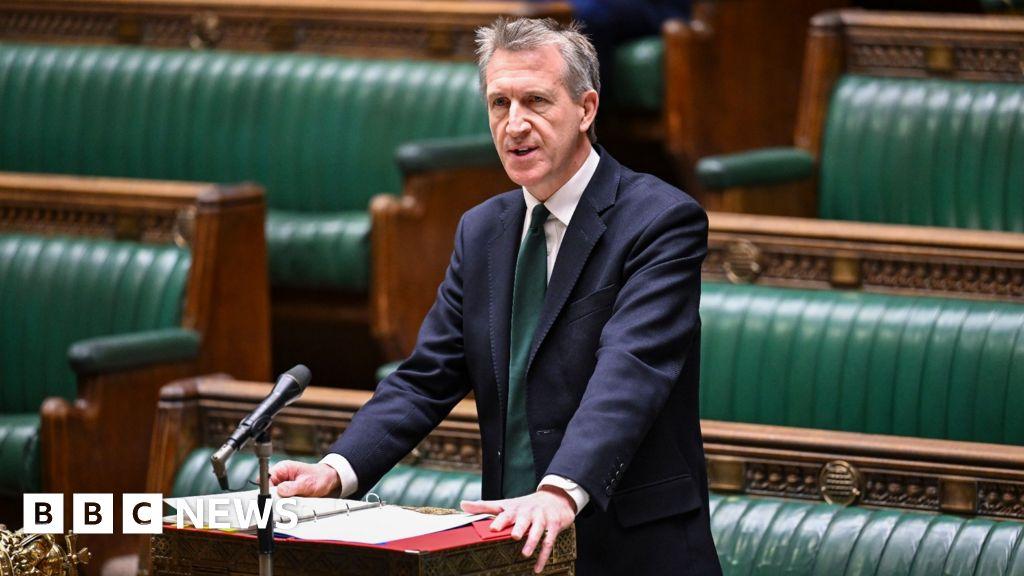
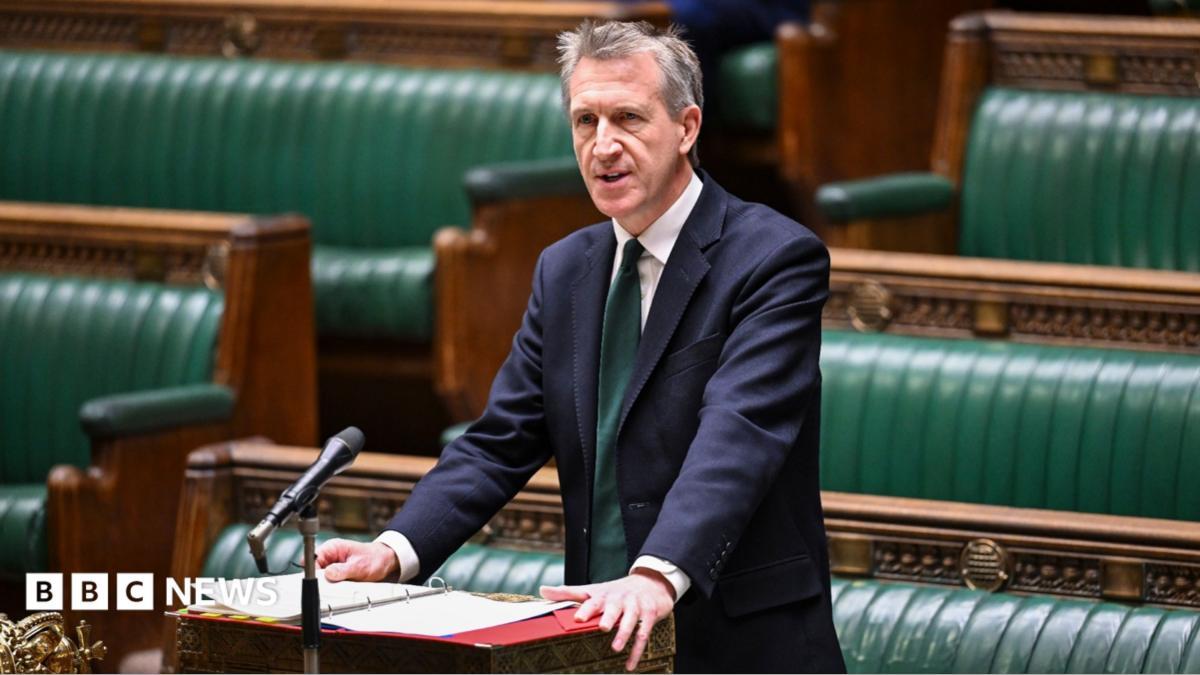
Security Minister Dan Jarvis condemned the interference as "covert and calculated" and set out a Counter Political Interference and Espionage Action Plan.

Reported measures include security briefings, tighter rules on political donations, and collaboration with professional networking sites.

Major funding pledges include about £170m for sovereign encrypted civil service technology and additional funds for policing and national security bodies.

Coverage Differences

Policy detail emphasis

The Independent details the Counter Political Interference and Espionage Action Plan and specific funding pledges (£170m and £130m), while Recorded Future and The Telegraph emphasise the £170m upgrade and the government's readiness to take measures against influence in universities and cyber threats. Some outlets foreground policy specifics; others stress the political fallout and debate over engagement with China.

Diplomatic reaction

News outlets also report China’s denial: lbc quotes the Chinese rejection as 'pure fabrication and malicious slander', while Politico and others simply note the embassy 'strongly denied' or called the claims fabrication. This is a consistent denial reported across outlets but quoted with differing phrasing.

UK-China influence concerns

Reporters place the alert in the broader context of previous allegations and strained UK-China ties.

Several outlets note earlier MI5 warnings, including a 2022 alert about Christine Lee, a 2021 targeting of parliamentary emails attributed to China-linked activity, and the politically fraught collapse in September of a high-profile prosecution after charges were dropped.

Coverage links those precedents to concerns that the UK is being persistently targeted for influence operations.

Coverage Differences

Contextual focus

Some sources (Recorded Future, The Telegraph) emphasise technical and intelligence patterns such as past APT operations and earlier cases, while United News of Bangladesh and other outlets highlight the collapsed prosecution and its political consequences. The difference is one of emphasis: pattern-of-operations vs. legal/political fallout.

Local vs. international framing

Asian outlets like South China Morning Post frame MI5’s message as an "espionage alert" directed at UK lawmakers, while Western outlets often connect it to domestic political debates over how to respond and broader security funding. These differences reflect audience and editorial focus rather than factual contradiction.

Media coverage differences

Coverage tone and political reaction differ across outlet types.

Tabloids such as the Daily Mail use urgent language, calling MSS approaches 'relentless' and stressing alleged encrypted extraction.

Mainstream outlets like The Guardian, The Independent and Politico present the alert alongside policy responses and official denials.

Asian outlets such as the South China Morning Post and United News of Bangladesh frame it as an 'espionage alert' with regional interest.

Intelligence-specialist reporting from Recorded Future connects the alert to APT activity and technical history.

These differences shape public perception of the same MI5 alert.

Coverage Differences

Tone and severity

Daily Mail uses more alarmist phrasing—e.g., calling MSS “relentless” and stressing covert extraction—while The Guardian and The Independent report the same claims with more policy context and quotes from ministers. Recorded Future and specialist outlets highlight technical continuity with past cyber‑operations.

Unique/off‑topic coverage

Some outlets include unique details or side notes: upday News explicitly flags that its article was AI‑generated, and The Australian snippet provided in the source set was unrelated subscription promotional text and not relevant to the MI5 story.

All 18 Sources Compared

BBC

UK will not tolerate Chinese spying, minister says after MI5 alert

Read Original

BBC

UK will not tolerate Chinese spying, minister says after MI5 alert

Read Original

Daily Mail

Revealed: China's LinkedIn 'spies' who targeted MPs as ministers vow to stop Beijing getting 'sensitive' access to Westminster

Read Original

Digital Journal

MI5 issues Chinese spying ‘alert’ to UK MPs: minister

Read Original

Free Press Series

Parliamentarians warned by MI5 over Chinese spying threats

Read Original

lbc.co.uk

MI5 issues espionage alert as China accused of 'covert and calculated' plot to target UK Parliament

Read Original

National Security News

MI5 issue warning over Chinese spy threat to MPs

Read Original

politico.eu

Chinese agents using LinkedIn to target British MPs

Read Original

Shropshire Star

Parliamentarians warned by MI5 over Chinese spying threats

Read Original

South China Morning Post

MI5 warns Chinese spies are targeting UK lawmakers on LinkedIn

Read Original

The Australian

MI5 issues alert to UK MPs over Chinese spies

Read Original

The Guardian

MI5 names two people in alert to MPs and peers about Chinese espionage

Read Original

The Guardian

Chinese spying amounts to interference in UK democracy, minister says, after MI5 warns MPs – politics live

Read Original

The Independent

MI5 issues new China espionage warning after spies pose as headhunters on LinkedIn to target MPs

Read Original

The Record from Recorded Future News

MI5 warns of Chinese spies using LinkedIn to gain intel on lawmakers

Read Original

The Telegraph

Labour blamed for making UK ‘easy environment for spies’

Read Original

United News of Bangladesh

MI5 says Chinese agents using LinkedIn to target UK lawmakers

Read Original

upday News

LinkedIn spies: MI5 names Chinese agents targeting UK MPs

Read Original