USA07 January, 20262 min read
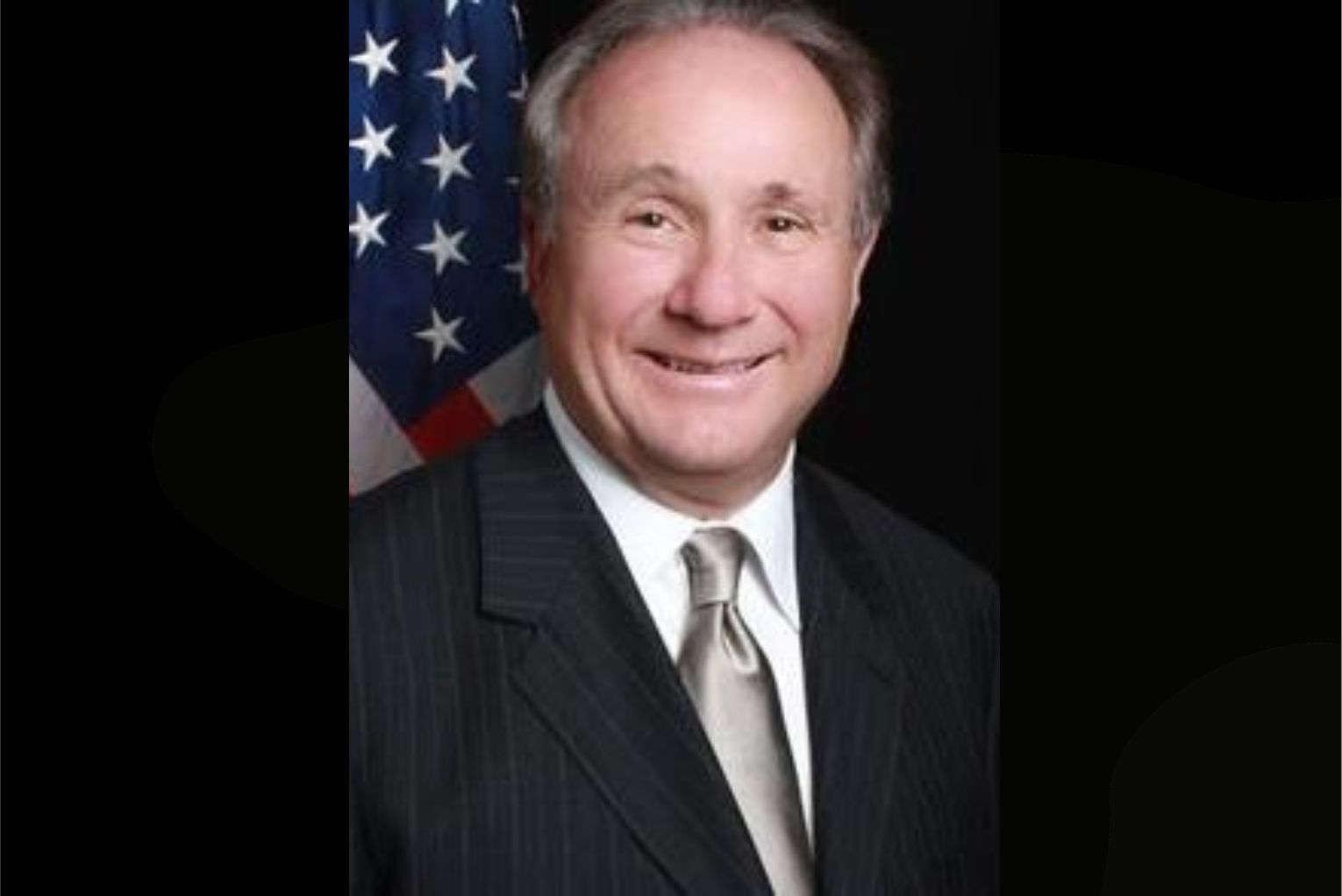
Michael Reagan, Ronald Reagan's Eldest Son and Conservative Commentator, Dies at 80
Died Sunday, Jan. 4, 2026, at age 80 in Los Angeles Eldest adopted son of President Ronald Reagan and actress Jane Wyman

54 outlets told this the same way.
Outlets did split on Trump Interrupted by Protesters at San Antonio Rally for Ken Paxton →
Death of Michael Reagan
Michael Reagan, the eldest son of President Ronald Reagan, has died at 80, his family and the Ronald Reagan Presidential Foundation and Institute announced.
“The foundation called him ‘a steadfast guardian of his father's legacy.’ The cause of death was not announced.”
The foundation called him "a steadfast guardian of his father's legacy," and family statements said he "was called home to be with the Lord" and that he was "a beloved husband, father, and grandpa," while asking for privacy as they mourned his loss.

Multiple outlets reported he died on Sunday, Jan. 4, and many noted that the family did not immediately disclose a cause of death.
Michael Reagan biography
Born John Charles Flaugher on March 18, 1945, to Essie Irene Flaugher, Michael Reagan was adopted hours after birth by Ronald Reagan and Jane Wyman. He attended Arizona State University and Los Angeles Valley College.
He did some acting, including an appearance on Falcon Crest, and later hosted the nationally syndicated The Michael Reagan Show. He also authored several books, including the memoirs On the Outside Looking In, Twice Adopted, and Lessons My Father Taught Me.
Philanthropy and legacy work
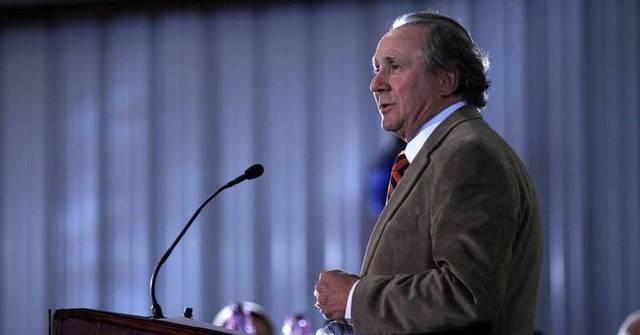
Beyond broadcasting and books, Reagan was active in philanthropy and in preserving his father's legacy. He chaired the Reagan Legacy Foundation and served as chair of the John Douglas French Alzheimer's Foundation for three years. He participated in fundraising, often through powerboat racing, for causes such as the Juvenile Diabetes Research Foundation and the Cystic Fibrosis Foundation.
“He maintained a close relationship with the Reagan Library, regularly attending events and the Feb. 6 birthday observance for his father, and was praised by the foundation for personally engaging visitors and safeguarding his father's legacy.”
He remained a regular presence at the Ronald Reagan Presidential Library. Colleagues and foundation leaders praised his work stewarding the Reagan name.
Conflicting reports on Reagan's death
Reporting differs on whether Reagan's death followed a public battle with cancer. Several outlets and affiliated organizations reported he had been battling cancer or that he died of cancer: TheWrap said Young America's Foundation reported he had been battling cancer, Newser cited KTLA reporting he had died of cancer, and Entertainment Weekly wrote he died after a battle with cancer.
By contrast, major mainstream outlets including People, CNN and The Guardian stated that no cause of death was immediately disclosed. These conflicting statements show a clear divergence between outlets citing specific local or organizational reports and those relying on the official family or foundation announcement.
Tributes and media reactions
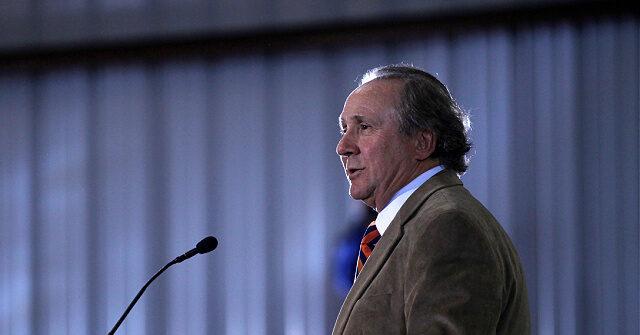
Tributes poured in across political and media circles. Conservative figures and organizations highlighted Reagan's role in inspiring young conservatives and in maintaining his father's legacy. Newsweek and MyNewsLA noted tributes from figures like Scott Walker and Young America's Foundation.
“Newsmax and CEO Christopher Ruddy praised Reagan for carrying forward his father's legacy and for his energy, patriotism and devotion to family.”
The Ronald Reagan Presidential Foundation praised his stewardship, and local outlets described his steady presence at Reagan Library events. Across these accounts, sources differed in tone: partisan outlets emphasized inspirational legacy and political influence, while mainstream outlets reported the funeral, family lines, and institutional praise more neutrally.