USA15 November, 20252 min read
Michelle Obama Declares U.S. 'Not Ready' for a Woman President, Rules Out Running
This article is an automated aggregation of coverage from news outlets. Our editorials offer in-depth analysis curated by the NewsCord team.
Michelle Obama stated Americans are unwilling to elect a female president She explicitly ruled out running for president, saying people shouldn't pursue her candidacy

15 outlets told this the same way.
Outlets did split on Trump Interrupted by Protesters at San Antonio Rally for Ken Paxton →
Michelle Obama on 2028
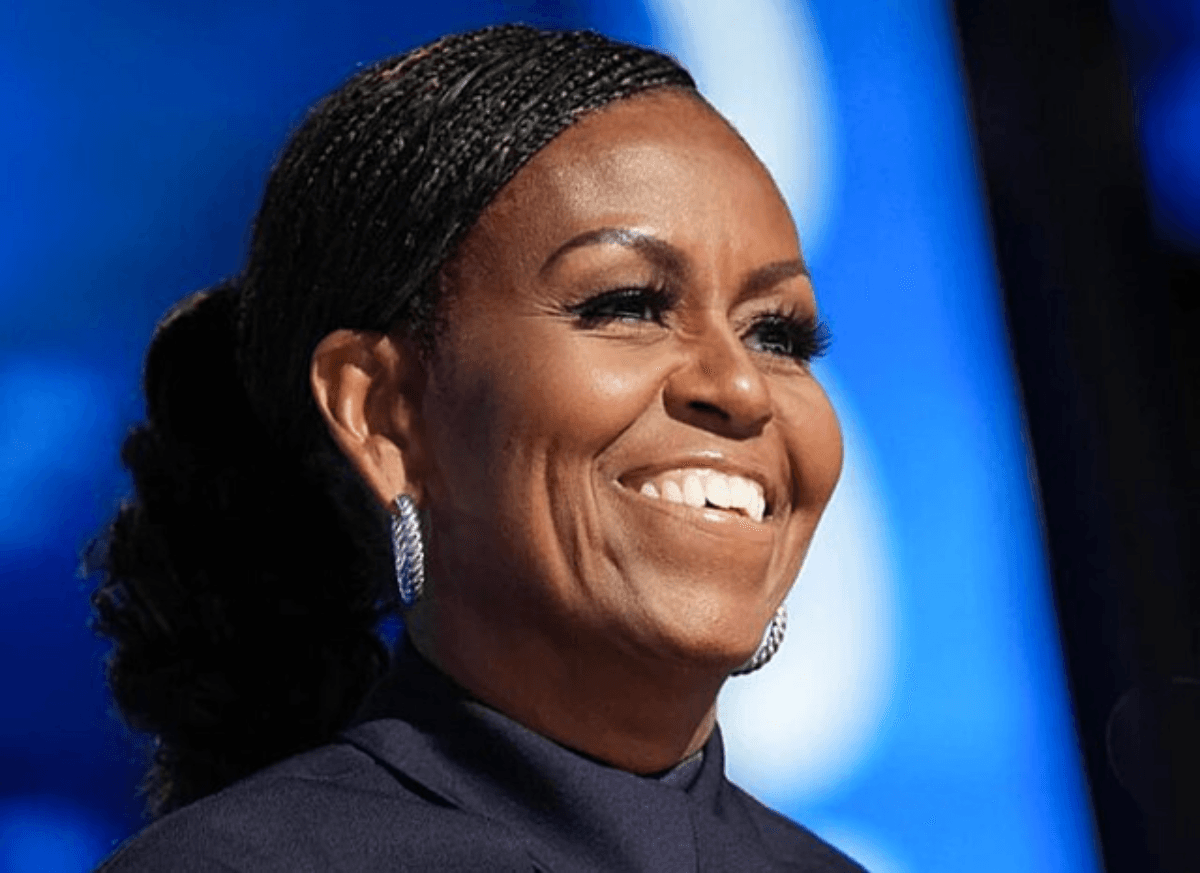
At a Nov. 5 book event at the Brooklyn Academy of Music with Tracee Ellis Ross promoting her memoir The Look, former first lady Michelle Obama said the United States is "not ready" to elect a woman president and told audiences not to push her to run, repeatedly ruling out a campaign.
“At a book event promoting her new memoir The Look, Michelle Obama said the United States is not ready to elect a woman president.”
She framed the observation in terms of lingering social attitudes, saying the country has "a lot of growing up to do" and that many men still "do not feel like they can be led by a woman," using blunt language to dismiss calls for a 2028 bid.

Several outlets captured the exchange from the event and reported her explicit refusal to run.
Obama's campaigning and intentions
Obama placed her observation in a political context, noting she has campaigned actively for Vice President Kamala Harris. She warned about the stakes of the 2024 election and urged voters - especially men - to support women's health and leadership.
Multiple reports note she drew large crowds while campaigning for Harris. She also insisted she does not intend to seek office herself, saying she has long rejected running for president and has told supporters not to push her into a candidacy.
Media framing of U.S. readiness
The language used to describe the U.S.'s readiness varies across outlets. Some outlets reproduce Obama's exact blunt phrases from the stage, while others paraphrase her point about societal resistance to female leadership.
Tabloids and other outlets often present colloquial transcriptions of her remarks, for example 'ain't ready' and 'you all are lying'. Mainstream outlets tend to quote the key lines and situate them alongside analysis of gender dynamics in U.S. politics.
Michelle 2028 speculation
Coverage highlights a recurring dynamic between strong public enthusiasm for Michelle Obama and her consistent refusals to run for office. Outlets note enduring "Michelle 2028" chatter and polls suggesting she might be the only Democrat who could beat Donald Trump. They also uniformly record her explicit refusals dating back to 2016.
Her recent statements combine a critique of the public's readiness with a firm personal decision that leaves little ambiguity about her intentions. Supporters continue to lobby her despite those clear refusals.
Media coverage summary
In sum, the available coverage from mainstream, tabloid and other outlets agrees on the core facts. Those core facts are that Obama said the U.S. isn’t ready for a woman president at a Brooklyn Academy of Music event and she ruled out running.
“Former First Lady Michelle Obama remains a highly popular and effective Democratic surrogate, and many supporters have long urged her to run for president, a notion she has repeatedly rejected.”
Outlets differ in tone, emphasis and ancillary details such as family concerns, colloquial phrasing and the weight given to polling. Given the consistent reporting of her refusal and the repeated quotations about men’s resistance, there is no clear contradiction among sources, only variation in how they present and color the same incident.
