Full Analysis Summary
Michelle Obama's Style Impact
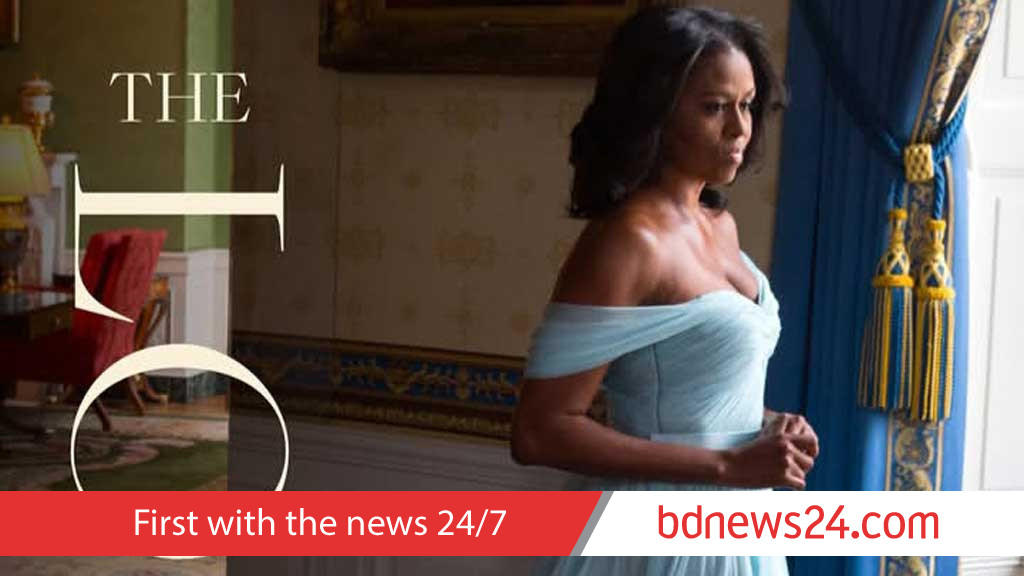
Michelle Obama’s new photo book, The Look, is presented across sources as both a personal reckoning and a strategic use of style.
bdnews24 reports she reflects on how her First Lady wardrobe became a tool of “othering,” sparking cultural debates over choices like sleeveless dresses.
At the same time, she used fashion for visibility and empowerment and to support emerging Black, Asian, and Latina designers.
BBC frames the book as charting her style evolution with deliberate messages of inclusion, diversity, and empowerment.
The book places her choices within the long tradition of first ladies’ image-making.
Azat TV adds a human, cross-partisan dimension, noting her conversation with Jenna Bush Hager.
Azat TV describes The Look—co-written with stylist Meredith Koop—as exploring style as self-expression and confidence.
The broader theme of the book is women supporting women.
Coverage Differences
narrative/tone
bdnews24 (Asian) foregrounds racialized scrutiny, saying Obama reflects on fashion as a tool of “othering” and notes backlash; BBC (Western Mainstream) emphasizes affirmative messaging around inclusion/empowerment and historicizes first-lady fashion; Azat TV (Other) centers on interpersonal warmth and the women-supporting-women frame while only touching on the book’s self-expression angle.
scope/unique context
BBC (Western Mainstream) uniquely situates Obama’s fashion within the institutional history of first ladies; Azat TV (Other) uniquely foregrounds the Bush family’s kindness and a TV conversation; bdnews24 (Asian) uniquely details the book’s internal architecture (stylist/designer commentary, Farah Jasmine Griffin’s foreword) and designer uplift.
Perspectives on Obama’s Image
The sharpest edge of the book, per bdnews24, is Obama’s naming of racial “othering” and the stereotype pressures shaping how she was read.
This included backlash over sleeveless dresses and shorts, and even campaign advice to soften expressions to avoid the “angry Black woman” trope.
BBC, by contrast, emphasizes how first-lady fashion carries diplomatic and political meaning and praises Obama’s boldness as resonant with hopes for a better future.
BBC does this rather than dwelling on backlash.
Azat TV’s vignette spotlights empathy and bipartisan kindness around a TV conversation, underscoring women supporting women while not centering racialized scrutiny.
Coverage Differences
tone/severity
bdnews24 (Asian) directly addresses racialized backlash and the “angry Black woman” stereotype; BBC (Western Mainstream) avoids the charged controversies and instead highlights political symbolism and optimism; Azat TV (Other) keeps a warm, non-confrontational tone focused on kindness and solidarity.
missed information
Only bdnews24 (Asian) details specific controversies (sleeveless dresses, shorts, stereotype management); BBC (Western Mainstream) and Azat TV (Other) do not recount these incidents and instead highlight historical context and human connection, respectively.
Obama's Fashion Influence
Beyond confronting racialized readings, the book (per bdnews24) also documents how Obama leveraged the White House spotlight to elevate new fashion voices.
This included a signature moment in the Jason Wu inaugural gown and a championing of Black, Asian, and Latina designers.
BBC connects this strategy to the broader tradition of first‑lady fashion carrying diplomatic and political weight.
They frame Obama’s style as a deliberate language of inclusion and empowerment.
Azat TV complements this by noting the collaboration with stylist Meredith Koop.
They present style as self‑expression and confidence within a narrative of empathy and cross‑partisan goodwill.
Coverage Differences
narrative emphasis
bdnews24 (Asian) stresses concrete designer uplift—naming communities and moments like the Jason Wu gown; BBC (Western Mainstream) reads these moves as part of the political/diplomatic grammar of first‑lady fashion; Azat TV (Other) highlights the co‑creative process with Meredith Koop and the personal meaning of style for confidence.
unique/off-topic
Azat TV (Other) uniquely threads in the Today show exchange, Bush family kindness, and even praise for Obama’s broader media presence, topics not covered by the other sources that stay closer to the book’s content and historical framing.
Obama's Fashion and Legacy
The coverage shows Obama using fashion to expose and navigate racial 'othering.'
She also contributed to the evolving expectations of the first lady’s public image.
BBC’s historical lens traces that evolution from Martha Washington’s dignity-first precedent and Eleanor Roosevelt’s professionalization of the role to Obama’s inclusive symbolism.
Bdnews24 highlights the costs of scrutiny, including managing stereotypes.
Azat TV emphasizes the interpersonal ethic of women supporting women that accompanied Obama’s style choices in public life.
Coverage Differences
framing/interpretive lens
BBC (Western Mainstream) historicizes the role, citing Martha Washington and Eleanor Roosevelt; bdnews24 (Asian) centers lived experience of othering and campaign pressures; Azat TV (Other) frames the moment through empathy, transition, and bipartisan warmth.
missed information
BBC (Western Mainstream) does not recount the specific controversies over sleeveless dresses or shorts noted by bdnews24; Azat TV (Other) does not include the historical first-lady arc highlighted by BBC; bdnews24 (Asian) does not cover the Bush family’s welcoming gestures that Azat TV emphasizes.