Microsoft Backs Anthropic in Legal Fight With Pentagon
Key Takeaways
- Microsoft publicly backed Anthropic in its legal dispute with the Pentagon.
- Microsoft urged a federal court to temporarily block Anthropic's Pentagon blacklisting.
- Anthropic filed to stop the Pentagon from labeling it a supply-chain risk.
Case overview and escalation
Microsoft has filed a legal brief backing Anthropic in its fight with the Pentagon after the Department of War (DoW) made an unprecedented supply-chain determination requiring defense contractors to stop using Anthropic’s models.
“- Microsoft is showing its support for Anthropic”
In its filing, Microsoft echoed Anthropic CEO Dario Amodei’s warnings about how AI could be abused if the Pentagon does not adopt proper safeguards and warned that AI should be used only for lawful, appropriately guarded purposes.
The dispute escalated after the Pentagon formally informed Anthropic of the action and President Donald Trump ordered all federal agencies to phase out their use of Anthropic’s models within six months, making the case both a commercial and policy flashpoint.
Microsoft's legal stance
Microsoft’s legal argument focuses on limiting AI to lawful, guarded use cases and warns against applications like domestic mass surveillance or autonomous systems that could independently start a war.
The company’s lawyers wrote that AI should be constrained and that the DoW’s own transition timeline for federal use — a six-month window — recognizes the operational difficulty of rapidly switching providers.
Microsoft framed its intervention as a call for measured safeguards rather than an impediment to defense access to technology.
Silicon Valley support
Anthropic has mustered broad support across Silicon Valley as the legal fight unfolded.
“- Microsoft is showing its support for Anthropic”
OpenAI’s CEO Sam Altman publicly urged the Pentagon not to proceed with the supply-chain designation even as OpenAI faced criticism for its own fast-moving deals with the Defense Department.
Additionally, dozens of employees from OpenAI and Google — including Google’s chief scientist Jeff Dean — backed a separate amicus brief opposing the Pentagon’s action, showing industry resistance to the DoW’s unprecedented step.
Contractor transition dispute
A central procedural and commercial issue is the lack of parity in transition timelines: Microsoft pointed out that Hegseth’s formal determination did not grant contractors the same six-month transition window the DoW gave itself, potentially forcing contractors to rapidly rework government contracts.
Microsoft’s filing stressed operational realities and requested fair transition arrangements for contractors who rely on Anthropic services to fulfill DoW contracts.
Ethics versus access debate
The filings also underscore the broader debate about AI in defense: DoW officials, including Hegseth, have rejected Amodei’s warnings about potential abuse — arguing for access to cutting-edge tools — while Microsoft and other industry signatories stress safeguards and deliberative processes.
“- Microsoft is showing its support for Anthropic”
Microsoft’s spokesperson said that "all sides need time and a process to find common ground," even as they acknowledged the DoW’s stated need for reliable access to advanced technology, framing the dispute as a clash between operational readiness and ethical risk management.
More on Technology and Science
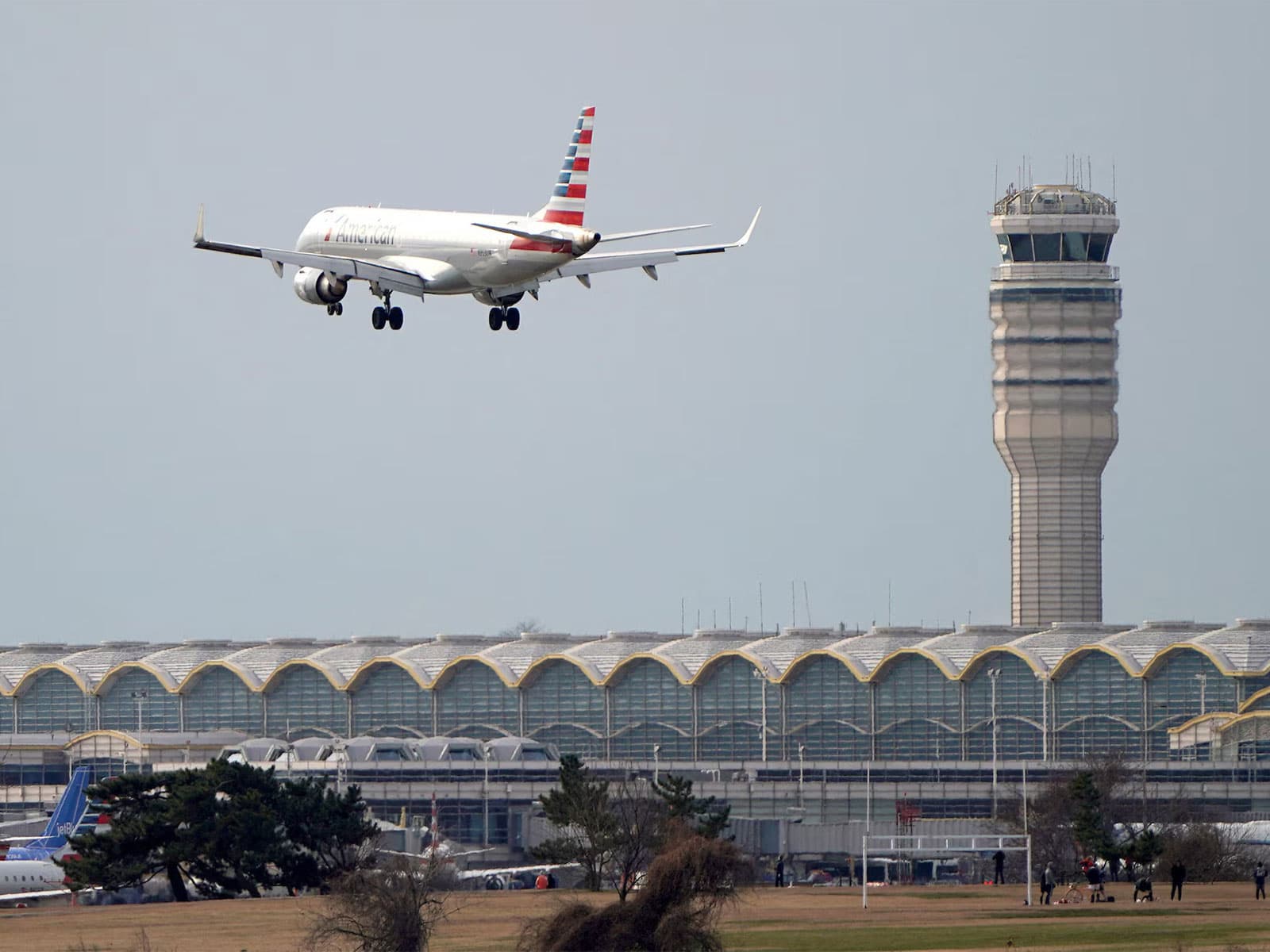
Chemical odor forces FAA to halt flights across DC-area airports
27 sources compared

Apple Cuts China App Store Commissions to 25% After Regulator Pressure
25 sources compared

FBI Investigates Hacker Who Uploaded Malware-Laced Games to Steam
12 sources compared

University of Cambridge Researchers Urge Tighter Regulation Of AI Talking Toys For Under-Fives
10 sources compared