Middle East crisis: 'We can clearly see how much our energy model is partly dependent on oil'
Key Takeaways
- Crisis in Iran has driven up international oil prices.
- Vadim Jeanne is senior lecturer in public law at University of Reims Champagne-Ardenne.
- Article examines how distant geopolitical conflicts concretely affect energy markets and domestic impacts.
Immediate price impact
The crisis in Iran has driven oil prices up on international markets.
“Vadim Jeanne is a senior lecturer in public law at the University of Reims Champagne-Ardenne (URCA)”
This has translated into higher gasoline and energy prices for consumers in Europe.
How markets transmit shocks
L’Union explains this increase by pointing to the globalized nature of world markets: when supply is reduced — for example barrels coming from the Middle East — prices rise because exchange depends on supply and demand.
Rapid pump-price jumps can also prompt the State to step up controls to prevent “abusive increases in pump prices.”
“Vadim Jeanne is a senior lecturer in public law at the University of Reims Champagne-Ardenne (URCA)”
State tools and limits
The State can respond beyond the recently mentioned release of strategic oil reserves by framing pump-price variations, but its tools have limits.
“Vadim Jeanne is a senior lecturer in public law at the University of Reims Champagne-Ardenne (URCA)”
L’Union notes that 60% of the price of oil is linked to taxes — notably the domestic tax on the consumption of energy products (TICPE) at 40% and VAT at 20%.
The TICPE is not calculated on the sale price so it does not vary with price increases, while VAT could potentially be reduced and thereby "freeze" or even lower the pump price at the cost of reduced revenue for the State and consequences for the State budget and funding of public services or aid to local authorities.
Dependence and policy implications
Vadim Jeanne, senior lecturer in public law at the University of Reims Champagne-Ardenne (URCA), says the crisis shows how much the energy model is partly dependent on oil.
He notes that in 2024 oil accounted for nearly 38% of our energy consumption.
“Vadim Jeanne is a senior lecturer in public law at the University of Reims Champagne-Ardenne (URCA)”
While it is difficult to predict the effects of such a recent conflict, it has again highlighted the idea of "energy sovereignty," reflected in political discourse by strengthening the nuclear sector.
More on Europe

Unknown Attackers Kill French Soldier in Erbil, Macron Says
11 sources compared

Unidentified Attacker Plants Explosive at U.S. Embassy Entrance in Oslo; Oslo Police Investigate Possible Terrorism
12 sources compared

U.S. and Israel Kill Iran's Supreme Leader, Trigger Regional War
49 sources compared
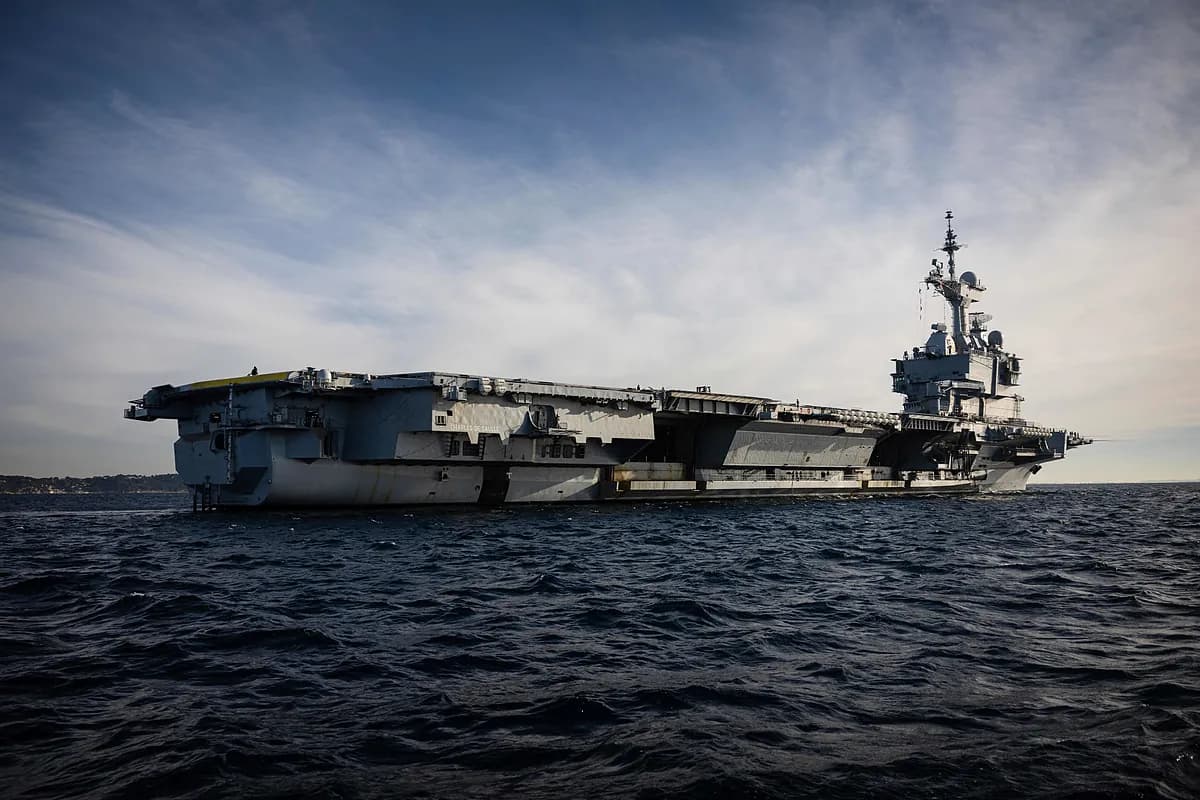
France Deploys Warships To Eastern Mediterranean After Drone Strike On Cyprus
11 sources compared