Ukraine War02 June, 20263 min read
Milan Arrests Ukrainian Woman for Sending Tramadol to War Zones Using False Electronic Prescriptions
This article is an automated aggregation of coverage from news outlets. Our editorials offer in-depth analysis curated by the NewsCord team.
Ukrainian woman, 48, secretary to Milan GP, issued tramadol via false prescriptions. Tramadol shipped to Ukrainian front lines, used by fighters, with help from compatriots.
Tramadol routed to Ukraine
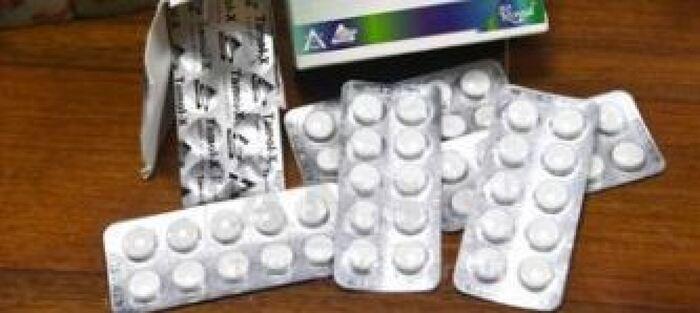
Italian investigators say a 48-year-old Ukrainian woman in Milan helped send tramadol, described as the "droga del combattente," to war zones in Ukraine using false electronic prescriptions and the help of compatriots. ANSA reports that Carabinieri del Nas investigations coordinated by the pm Daniela Bartolucci led to her arrest on charges including "cessione di stupefacenti, truffa aggravata e tentata truffa aggravata." The case centers on how the woman, described as the secretary of a general practitioner, had "la disponibilità delle credenziali di accesso del medico" in an application used to generate electronic prescriptions.
ANSA adds that investigators say the woman "illecitamente prescriveva farmaci" to acquaintances and compatriots "senza alcuna visita medica preventiva" and using patient data without prior medical visits. The alleged shipments were said to have arrived in Ukraine via road transport, with the tramadol singled out as a substance recently inserted in the stupefacenti table and linked to euphoric effects from improper use.
Frontline claims and denials
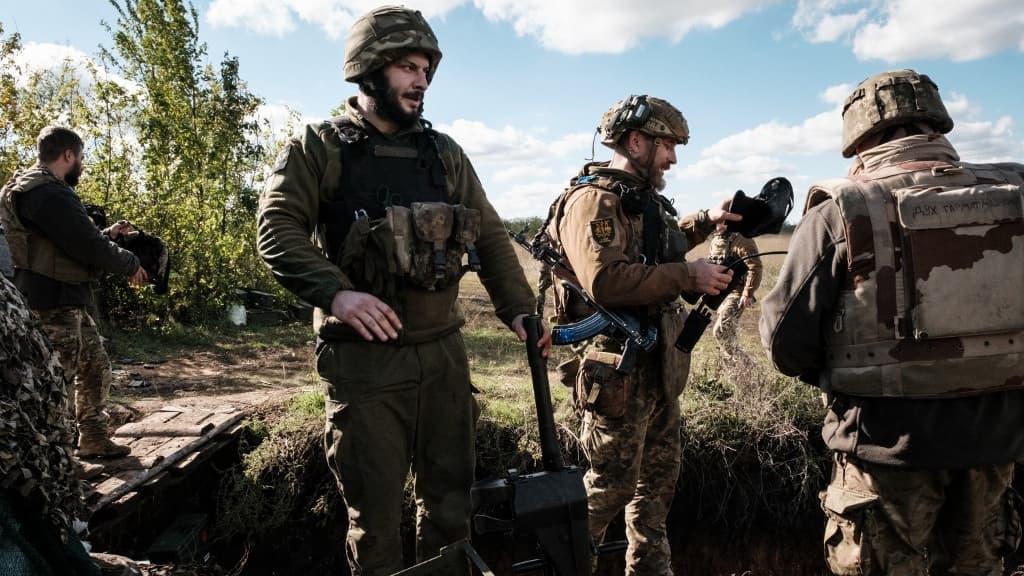
A separate thread in the reporting focuses on alleged drug use by troops at the front, with a British think tank report cited by BFM saying the Kremlin is deliberately sending soldiers to the Ukrainian front "drugged on amphetamines." BFM says the report draws on testimony from Ukrainian soldiers who claim they are "often confronted by Russian fighters under the influence of amphetamines and other narcotics." In an interview, Łukasz Kamienski tells il manifesto that "Abbiamo poche informazioni solide e verificate sul presente" and argues that some performance-enhancing substances are still available in Russian pharmacies.
Kamienski also describes how, in his account, Ukrainian soldiers used amphetamines during the conflict that began in 2014, adding that "ho appreso che durante questo conflitto scoppiato nel 2014 i soldati ucraini usavano amfetamine." The same il manifesto interview frames Russian propaganda narratives as claiming widespread drug use by Ukrainian forces and even alleging that "gli statunitensi" provide psychoactive substances, while Kamienski says he would be "estremamente sorpreso" if Ukrainians were not using substances to cope with operations and conditions like siege.
War, markets, and treatment
Beyond battlefield allegations, Ouest-France reports that a UNODC report published in July 2025 says the war has redrawn the narcotics market in Ukraine, pushing synthetic drugs into the core of criminal networks. Ouest-France says the drug-crime score related to synthetic drugs "è esploso in Ukraine, rising from 3.5/10 to 8.5/10 in two years" and adds that the Ukrainian Ministry of Internal Affairs reports "45%" of crimes by organized crime groups involve trafficking of narcotics and psychoactive substances. On the human side, Radio France describes group therapy at the Mariana Shkola rehabilitation center in Kyiv, where civilians and military personnel with post-traumatic stress talk about abusing drugs to escape reality.
One patient in Radio France says, "I abuse drugs to escape reality," and the report adds that stays at the center last on average about "three months" for soldiers and civilians. The Radio France account also ties treatment capacity to the broader conflict, stating that "Care capacity and access to treatment remain far below what is needed," while the Il Messaggero and Folha de S.Paulo reporting frames drug use as a continuing wartime coping and endurance issue.