Kashmir24 April, 20252 min read
Militants Massacre Civilians in Pahalgam
This article is an automated aggregation of coverage from news outlets. Our editorials offer in-depth analysis curated by the NewsCord team.
Militants shot tourists near Pahalgam, killing 26 people Indian government vowed to pursue attackers and escalated tensions with Pakistan
9 outlets told this the same way.
Outlets did split on Pakistan Protests Indian Navy’s EEZ Incursion After SEASPARK-26 Collision in Northern Arabian Sea →
Pahalgam meadow attack
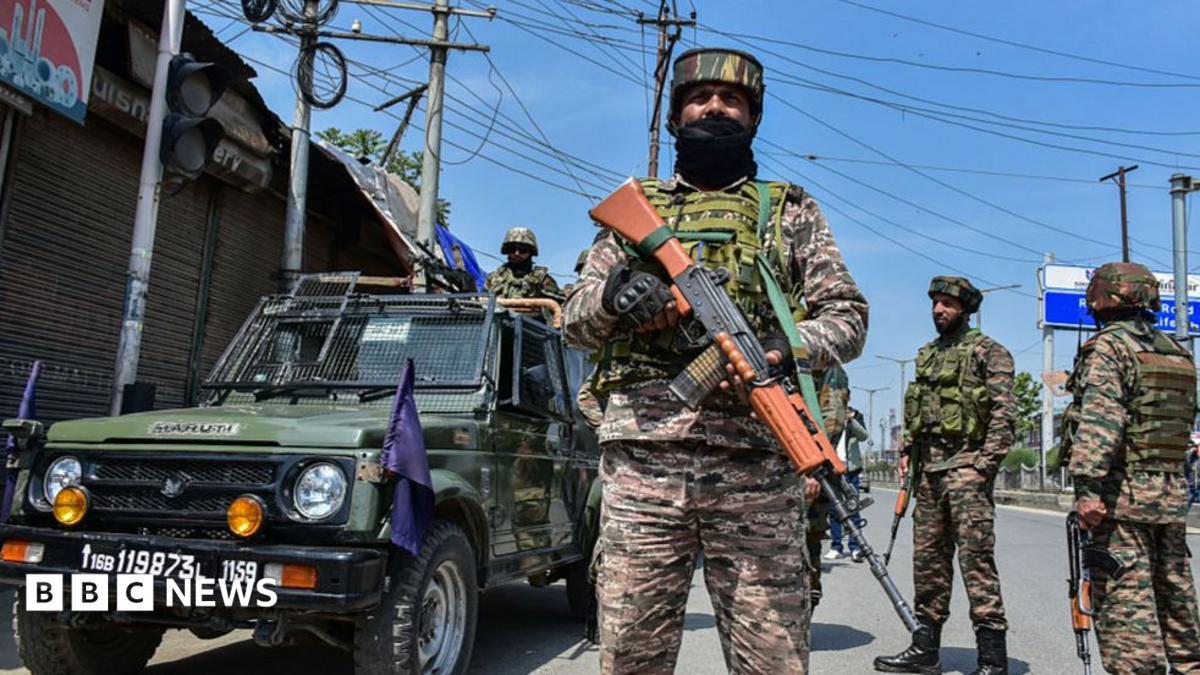
On an unspecified date, four militants attacked a meadow near Pahalgam in Indian-administered Kashmir, killing scores of civilians and tourists. The BBC reported the assault killed 26 people, mostly tourists, and said the site is now deserted and patrolled by security forces.
“Four militants attacked a meadow near Pahalgam in Indian‑administered Kashmir, killing 26 people (mostly tourists) and injuring others.”
Other sources likewise reported heavy casualties, with GenocideWatch describing an attack that killed more than 25 people. The incident immediately triggered heightened security patrols, local protests, and broad public alarm across the Kashmir Valley.
Security failures and fallout
Security analysts and commentators immediately raised questions about responsibility and systemic failures. The Conversation argued there were 'clear lapses in security' and placed responsibility broadly on the central government and security establishment, linking operational failures to longer-term policy decisions such as the removal of Kashmir's autonomy and the suppression of dissent. The BBC documented senior Indian ministers meeting and the diplomatic fallout, describing how the attack 'has sharply escalated tensions between India and Pakistan' and prompted reciprocal measures, highlighting immediate government action and international repercussions.
Online hate and incitement
Beyond the attack itself, multiple human-rights and watchdog sources document a rapid spread of communalized speech and calls for violence online. Genocide Watch reports that hate groups and right-wing Hindutva organizations have spread misinformation and Islamophobic content online, including calls for the massacre of Kashmiri Muslims and demands for 'bulldozer justice'.
“Resist communalizing the response or conflating civilians (including Indian Muslims and Kashmiri civilians) with terrorists; collective retaliation risks escalating violence and regional instability.”
Genocide Watch also documents X Spaces and large Hindutva-linked pages amplifying anti-Kashmir rhetoric, explicit calls for a 'massacre of Muslims', chants such as 'Cut their hands and hang their bodies in Lal Chowk', and other abusive content. The Conversation warns against communalizing the response and conflating civilians with terrorists, urging restraint to avoid escalation.
Domestic political fallout
Political reactions at home turned sharply partisan. The BJP strongly condemned Robert Vadra for saying religion and politics should be separate, accused him of using the language of terrorists, demanded an apology, and framed his comments as politically dangerous. Watchdog reports say some social-media participants went beyond rhetoric, calling for structural changes, such as making Jammu a separate Union Territory, or for economic boycotts of Kashmir, illustrating how the attack was quickly absorbed into political agendas and mobilization.
Assessments of Kashmir unrest
Analysts and rights groups offer distinct lessons and warnings. The Conversation urges structural reforms: restore meaningful autonomy, engage with Kashmiri demands, and support free speech and dissent so policies and security decisions can be properly questioned and corrected. Genocide Watch and genocidewatch warn that widespread misinformation and Islamophobic agitation, including explicit calls for violence, risk further polarizing communities and undermining long-term security.
“Victims received little public consolation; instead anti-Muslim narratives dominated social and mainstream media.”
BBC’s coverage underscores immediate consequences: the area is deserted, security forces are patrolling, and livelihoods tied to tourism face sharp disruption. Taken together, these sources show agreement on seriousness but divergent emphasis on causes, remedies, and which actors bear primary responsibility. Some details remain unclear or contested across sources — for example, casualty counts are reported slightly differently and the sources focus on different aftermaths (diplomatic fallout, online hate, or policy failure) — and none of the provided snippets assigns definitive responsibility for the militants’ affiliation beyond calling them militants.
