Britain31 December, 20253 min read
Millions Around the World Sing 'Auld Lang Syne' at Midnight
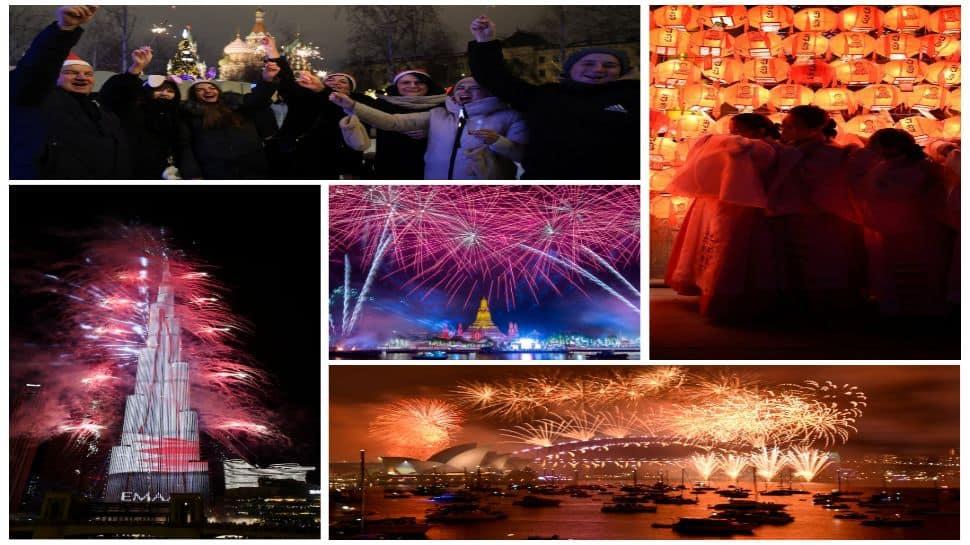
Millions worldwide joined in singing Auld Lang Syne at midnight. Cities from Sydney to Times Square staged major fireworks and countdown events.
52 outlets told this the same way.
Outlets did split on UK Police Charge Teddy Young With Spying For Foreign Power, Royal Navy Member →
Auld Lang Syne worldwide
At the stroke of midnight, millions across continents joined the familiar strains of Auld Lang Syne, a Robert Burns-linked song that continues to stitch disparate New Year's rituals into a single global moment. News outlets captured scenes from Times Square to Tokyo and Edinburgh. CNN described the song's wide appeal, saying "the enduring appeal of Auld Lang Syne at New Year's Eve comes not from any formal rule but from the song's uncanny ability to bring people together."
“People around the world welcomed 2026 with celebrations from the South Pacific to New York City — the Times Square ball drop came roughly 18 hours after the first New Year arrivals.”
AP News gathered images and scenes from "the South Pacific to New York City", and the Daily Mail noted that revelers in places such as Times Square "kissed as Auld Lang Syne played and confetti fell." Coverage ranged from photo galleries to reflective profiles of why the song persists as midnight's soundtrack.

Hogmanay and Auld Lang Syne
Scotland's Hogmanay remains a focal point for the song's cultural roots. Local voices reinforced that connection on New Year's night. The Independent reported that First Minister John Swinney urged Scots to follow the spirit of Robert Burns' 'Auld Lang Syne' by showing small acts of kindness.
CNN quoted Edinburgh's poet laureate reflecting on why generations keep singing the tune. International outlets used those Scottish moments to explain the song's spread. AP and BBC photo reports placed Hogmanay alongside global midnight rituals from Tokyo to Rio.

Midnight singing and remembrance
Across Asia and the Pacific, midnight singing often blended with local rituals and, in some places, sombre remembrance. Australian outlets and regional coverage recorded people pausing for moments of silence. AAP noted a 'minute’s silence holding phone torches' while a menorah and a dove bearing the words 'peace' and 'unity' were projected onto the Harbour Bridge.
“In Sydney, hundreds of thousands watched fireworks after a moment of silence for the Bondi Beach shooting; the Harbour Bridge was lit white for peace...”
The Star described events pausing at 23:00 for a minute’s silence, and Hindustan Times reported that Sydney’s fireworks followed a moment of silence for the Bondi Beach shooting. These reports show New Year’s singing coexisting with acts of commemoration.
New Year's Eve coverage
Many outlets foregrounded spectacle, celebrity and broadcast convenience. The BBC noted performers in Times Square, writing about acts such as Robyn, Ciara and Tones and I. LiveMint highlighted Dubai's 360° fireworks-and-laser show with music at the Burj Khalifa.
The US Sun described London's display as the largest-ever New Year's Eve show, and Mayor Sadiq Khan called it the greatest in the world. Tech and lifestyle outlets added a different angle, with Mashable recommending that many viewers skip crowded New Year's Eve events and watch fireworks from home. Mashable also pointed readers to EarthCam for global live feeds.
Auld Lang Syne Coverage
Taken together, the reporting shows Auld Lang Syne functioning as a flexible global ritual: a brief, shared soundtrack that can seal a boisterous kiss in Times Square, a Burns-rooted plea for kindness in Scotland, or a quiet, communal close to a night of remembrance in Sydney. Coverage differs by source type — Western mainstream outlets typically emphasised cultural meaning and broad photojournalism (CNN, AP, BBC), tabloids highlighted spectacle and intimate moments (Daily Mail, The US Sun), and regional outlets in Asia and Australasia foregrounded local traditions and commemoration (aapnews, Hindustan Times, Zee News). Those differences reflect editorial priorities rather than contradictions about the basic fact that millions sang at midnight; when narratives diverge it is usually about tone, context and which moments a publisher chose to show.
“It points readers to EarthCam for global live feeds.”