Crime28 October, 20252 min read
Mississippi Police Hunt Escaped Lab Monkeys After Truck Overturns on Highway
A truck carrying rhesus monkeys from Tulane University overturned on Interstate 59 in Mississippi. Six monkeys escaped; five were euthanized, and one aggressive monkey remains at large.

25 outlets told this the same way.
Monkey Transport Accident and Response
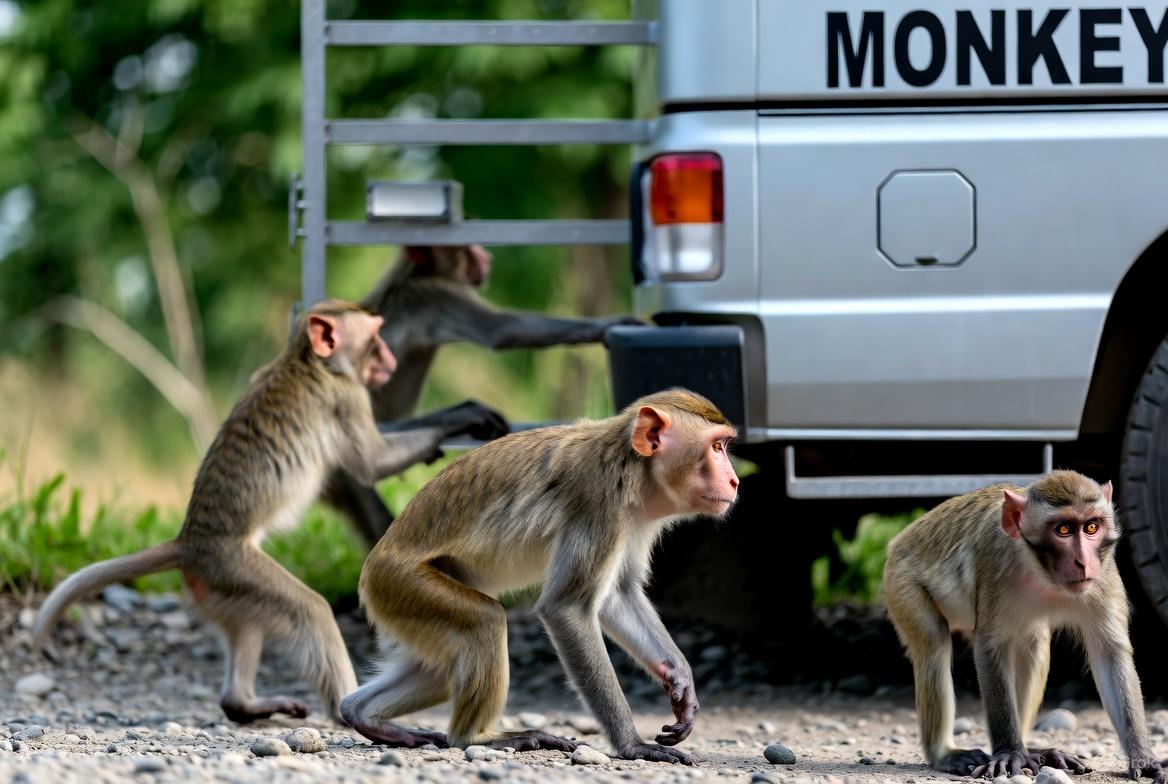
A truck carrying rhesus macaque research monkeys overturned on Interstate 59 in Jasper County near Heidelberg, Mississippi. Several animals escaped into the woods, prompting a multi-agency search and public warnings to avoid contact. Authorities and news outlets consistently advised residents not to approach the animals, as handlers require protective gear.
“A truck carrying research monkeys overturned near Heidelberg, Mississippi, about 100 miles from Jackson.”
Early confusion about potential disease risks influenced the initial response to the incident. Initial reports linked the shipment to Tulane University, but later statements clarified the monkeys belonged to a different organization.
The number of monkeys involved and those that escaped varied according to different sources. Officials urged the public to call 911 if they spotted any of the escaped animals as the search continued.
Primate Capture and Safety Measures
Authorities described the animals as aggressive and warned residents to steer clear. Search teams from local law enforcement, wildlife officials, and animal care experts worked to capture the remaining primates. Several outlets reported euthanizations for safety, with counts differing by source.
Some sources said five were euthanized, others said all but one, while some reported more monkeys still at large. Officials brought in an animal disposal company for carcass removal. Agencies coordinated ongoing updates as they continued the hunt.
Monkey Incident Public Response
Early messaging emphasized possible disease risks, with multiple outlets repeating warnings about hepatitis C, herpes, COVID‑19, and the monkeys’ aggression. Some reports went further, while others quickly relayed Tulane’s denial that these animals were infectious. One outlet even reported authorities initially advising that any escaped monkeys be shot on sight, underscoring the severity of the initial panic.
“Authorities initially warned the monkeys were aggressive and potentially carried diseases like COVID-19, hepatitis C, and herpes, advising that escaped monkeys be shot on sight.”
As the situation stabilized, agencies reiterated that residents should avoid contact and report sightings. Several outlets emphasized there were no human injuries or exposures.
Monkey Transport Incident Details
Confusion extended to basic facts, with outlets diverging on totals, escape counts, and locations. Some described six monkeys in transit with one still at large; others said 21 were on the truck with six escaping. Another said three remained at large after three were euthanized.
While AP highlighted that the transport was legal with proper veterinary documentation, local and regional outlets described active scene management and recovery efforts. These efforts included specialized contractors to remove carcasses and contaminated materials.
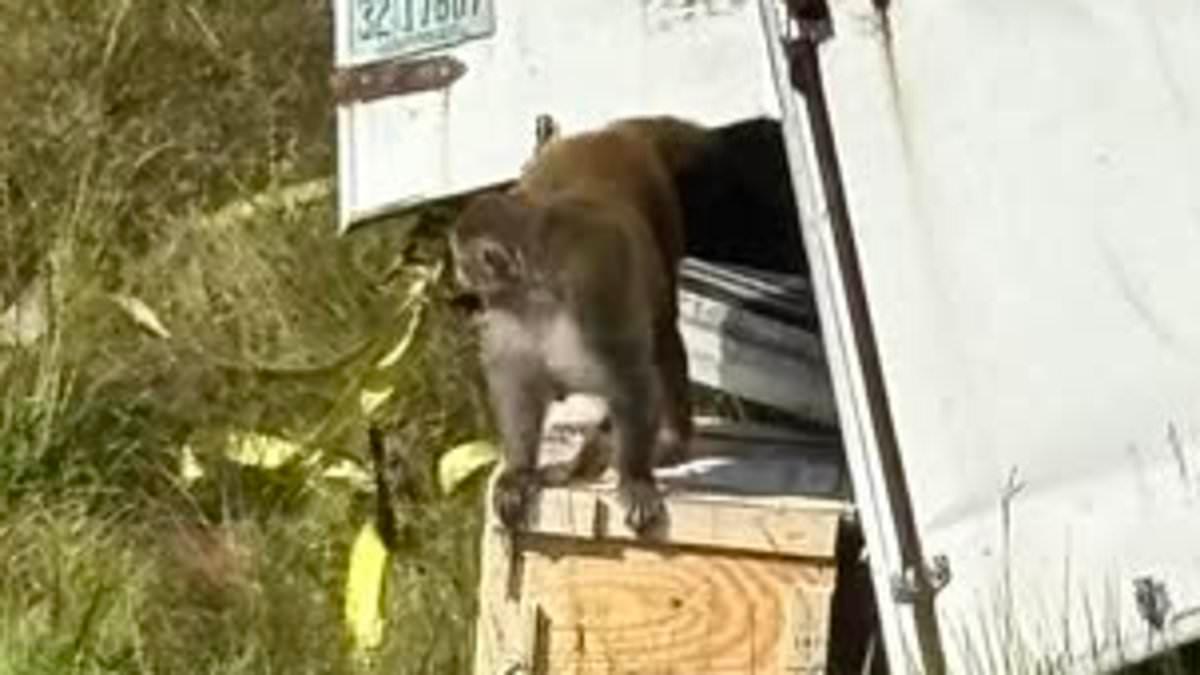
Context from AP also referenced a prior large escape in South Carolina. Local reporting captured on-the-ground details and ethical criticism from animal rights groups.
Media Coverage and Public Response
Beyond the immediate response, coverage diverged on broader implications. Local and national outlets highlighted public safety and ethical debates. PETA’s critique featured prominently alongside continuing search advisories and interagency coordination.
“People for the Ethical Treatment of Animals (PETA) condemned the use and transport of monkeys for laboratory experiments, citing risks to public safety, including potential pandemics from escaped primates.”
Some aggregators and tabloids included tangential or unrelated items in their roundups. Others kept narrowly focused on the Mississippi incident. Readers encountered a mix of urgent safety guidance, institutional clarifications about non‑infectious status, and calls to reconsider the transport and use of primates in research.
