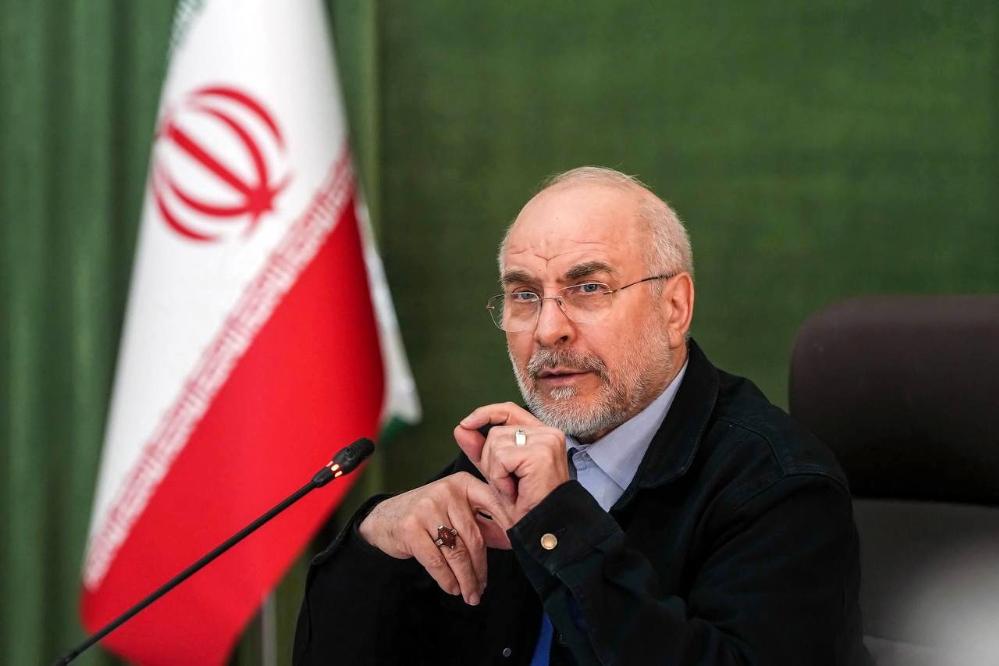
Mohammad Bagher Ghalibaf Says US Seeks New War, Iran Will Make It Regret
Key Takeaways
- Ghalibaf warns the US seeks a new war and will regret it.
- Iran claims readiness for all scenarios and a surprise response to any aggression.
- Ceasefire persists on fronts, but enemy movements signify pursuit of renewed conflict.
Ceasefire, new war threat
Iran’s parliament speaker Mohammad Bagher Ghalibaf, in his third audio message to the Iranian people released on Wednesday, said that although hostilities have ceased on the battlefields as part of a ceasefire, “the enemy has not abandoned its military objectives and is seeking a new round of war and fresh adventurism.”
Qalibaf said the United States is “caught in a strategic dilemma,” pointing to “rising gasoline prices, bond market turmoil, interest rates, and inflation in the US,” and he argued that these pressures have created public discontent that even many of Trump’s supporters see “America’s war on Iran as Israel’s war.”

He said Trump is hesitating between two options: “prioritizing ending the war, accepting the costs of being the loser” or “restart[ing] the war or continue the naval blockade to pressure Iran into accepting surrender.”
The audio message also framed Iran’s posture during the ceasefire as rebuilding capability, with Qalibaf saying Iran’s armed forces have used the ceasefire period to “rebuild their military capability,” and that “today they possess such readiness that they would astonish the enemy and certainly make it regret any new aggression against Iran.”
US blockade and stalled talks
The Iranian messaging in the sources ties the ceasefire to continued pressure, with the same account stating that “a Pakistan‑brokered ceasefire has been in place since early April,” while “a US naval blockade of Iranian ports continues.”
It further says Tehran has refused to reopen the Strait of Hormuz “until the blockade is lifted and the war permanently ends,” and that peace talks have stalled after Washington rejected Iran’s counterproposal demanding “war compensation, lifting of sanctions, and respect for Iran’s sovereignty over the strait.”

In a separate report, WION carried Ghalibaf’s warning that “The enemy’s movements, both overt and clandestine, show that despite economic and political pressure, it has not abandoned its military objectives and is seeking to start a new war.”
WION also quoted Ghalibaf saying “Close monitoring of the situation in the United States reinforces the possibility that they still hope for the surrender of the Iranian nation,” and it repeated his claim that the US president is caused to hesitate between ending the war and restarting it or continuing the naval blockade.
Economic strain and readiness
Beyond battlefield messaging, the sources describe economic strain inside Iran during the conflict, with WANA stating that Ghalibaf acknowledged “during the 80 days of this conflict, Iranians have faced severe economic difficulties alongside external threats.”
WANA says Ghalibaf highlighted “rising costs for essential food items like rice, poultry, eggs, and meat,” which it says “have reduced purchasing power and impacted livelihoods,” and it adds that he urged all branches of government to work with equal “jihadist” dedication to resolve livelihood issues.
WANA also reports that Ghalibaf said the Parliament has maintained oversight since the start of the aggression, describing “over 120 supervisory sessions” focused on “securing supply chains and controlling inflation,” and it says the Parliament held “two virtual open-floor sessions” with the Ministers of Agricultural Jihad and Cooperation to address food security and public welfare.
In the same account, Ghalibaf announced the temporary formation of a “Special Oversight Committee” within the Parliament, and it says the committee will include heads of specialized commissions including Agriculture, Economy, Energy, Industry, and Budget, with a mandate to track procurement and distribution of essential goods and report progress directly to the public.
More on Iran
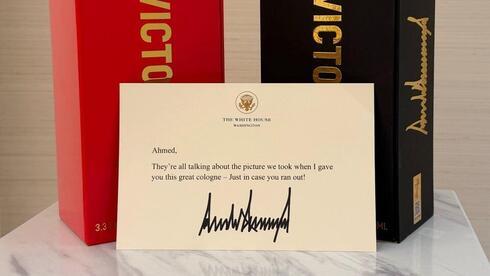
Trump Sends Ahmed Al-Sharaa Two Bottles of Self-Branded Cologne After White House Meeting
13 sources compared

Iran’s IRGC Navy Coordinates 26 Commercial Vessels Transit Strait of Hormuz in 24 Hours
11 sources compared

US and Israel Planned to Install Mahmoud Ahmadinejad as Iran’s Leader After Ali Khamenei’s Killing
45 sources compared

Trump Says Iran Talks Are in Final Stages as U.S. Naval Blockade Continues
22 sources compared