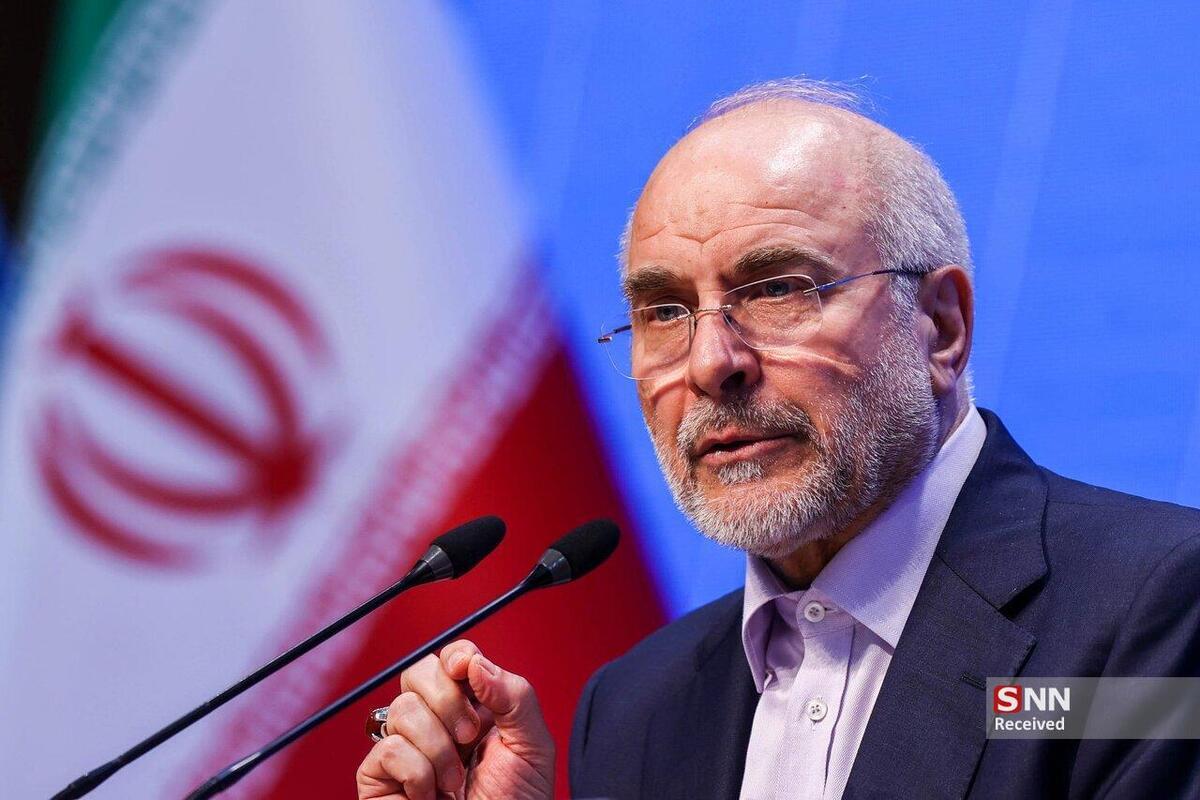
Mohammad Bagher Ghalibaf Warns United States as Strait of Hormuz Tensions Escalate
Key Takeaways
- A new equation is taking shape in the Strait of Hormuz, altering power dynamics.
- US and allies endanger maritime security and energy transit through ceasefire violations and blockades.
- Tehran has not started yet, signaling potential escalation in Hormuz tensions.
Hormuz standoff escalates
Iran’s chief negotiator and parliament speaker Mohammad Bagher Ghalibaf warned the United States that “We have not even begun yet” as tensions escalated in the Strait of Hormuz, signaling what he described as a “new equation” taking shape in the strategic waterway.
In a post on X, Ghalibaf said that the “The new equation of the Strait of Hormuz is in the process of being solidified,” and he linked the shift to what he called U.S. and allied actions that endangered “security of shipping and energy transit.”

Firstpost reported that Iran signaled a shift in strategy and threatened action against U.S. naval presence in the Strait of Hormuz, after Trump pressed ahead with a ship escort plan under “Project Freedom.”
The same Firstpost account said the warning came after the U.S. military said its Apache and Seahawk helicopters struck six Iranian boats it accused of endangering commercial shipping, while also intercepting missiles and drones.
Iran denied that any of its combat ships had been hit in U.S. attacks but accused Washington of killing five civilian passengers on boats, according to Firstpost.
The Türkiye Today and IranWire accounts echoed Ghalibaf’s framing, saying the security of navigation and energy transit had been endangered by a U.S. violation of the ceasefire and the imposition of a blockade.
Across the reporting, the Strait of Hormuz is presented as the focal point where ceasefire strain, blockade measures, and escort operations are colliding.
From ceasefire to blockade
The dispute described by the sources is rooted in a sequence of actions around the Strait of Hormuz that Iran and the United States each characterize as violations and countermeasures.
Firstpost says Iran imposed a blockade on foreign vessels transiting the Strait of Hormuz shortly after the outbreak of war, which it links to a joint U.S.–Israeli attack on 28 February that killed the country’s former supreme leader.

In response, Firstpost reports that President Trump announced a counter-blockade on 13 April targeting ships using Iranian ports, escalating tensions over control of the critical maritime corridor.
Firstpost then describes the latest phase as “Project Freedom,” a U.S. initiative launched this week to deploy military escorts for stranded cargo ships seeking to exit the strategic waterway, with U.S. officials saying the operation is intended to ensure safe passage for international shipping.
The Mehr News Agency account adds that Ghalibaf’s remarks came as Iran’s position was shaped by earlier events, including a February 28 attack that Mehr News Agency says was launched by the United States and the Israeli regime, and it states that then Leader of the Islamic Revolution Ayatollah Seyed Ali Khamenei and several senior military officials were martyred.
Mehr News Agency also asserts that Iran’s Armed Forces responded with weeks of missile and drone strikes targeting American and Israeli military positions in the occupied territories and the Persian Gulf region, inflicting heavy damages in 100 waves of counterattacks over a period of 40 days.
It further says Iran’s retaliation included closing the strategic Strait of Hormuz to vessels belonging to enemies and their allies, and then subjecting the waterway to further restrictions by conditioning passage on securing permission from relevant Iranian authorities.
Threats and counter-threats
The sources also document direct warnings and retaliatory language exchanged between Iranian officials and U.S. leadership as the Strait of Hormuz standoff intensifies.
Firstpost reports that Iran’s military central command has warned it will target any U.S. naval vessels approaching the strait, raising concerns that the effort to secure shipping lanes could trigger a broader resumption of hostilities.
In parallel, Roya News says U.S. President Donald Trump issued a sharp warning to Iranian forces, saying they would be “blown off the face of the Earth” if they attempted to target American ships in the Strait of Hormuz or the Persian Gulf.
Kurdistan24 similarly reports that Trump warned the Iranians “will be wiped off the face of the Earth” if they attack the American ships that accompany vessels through the Strait of Hormuz as part of the 'Freedom Project,' and it adds that the U.S. Navy destroyed six Iranian boats that attempted to disrupt navigation in Hormuz.
Kurdistan24 also quotes Admiral Brad Cooper, commander of U.S. Central Command, saying the U.S. military destroyed six small Iranian boats and intercepted cruise missiles and drones launched by Tehran.
Firstpost provides a different but related operational account, saying that on Monday the U.S. military said its Apache and Seahawk helicopters struck six Iranian boats it accused of endangering commercial shipping, while also intercepting missiles and drones.
On the Iranian side, IranWire says Ghalibaf accused the United States and its allies of “violating the ceasefire” and endangering the security of navigation in the Strait of Hormuz, and it includes his statement that “no military solution exists” for the current crisis.
Different outlets, different emphases
While the core claims about a “new equation” in the Strait of Hormuz and the “We have not even begun yet” warning appear across multiple outlets, the sources diverge in how they frame the immediate crisis and the surrounding context.
Firstpost ties Ghalibaf’s warning to Trump’s ship escort plan under “Project Freedom,” and it also includes a detailed account of U.S. helicopter strikes, Iran’s denial, and accusations about civilian passengers, while noting that United Arab Emirates officials reported new Iranian strikes on their territory.
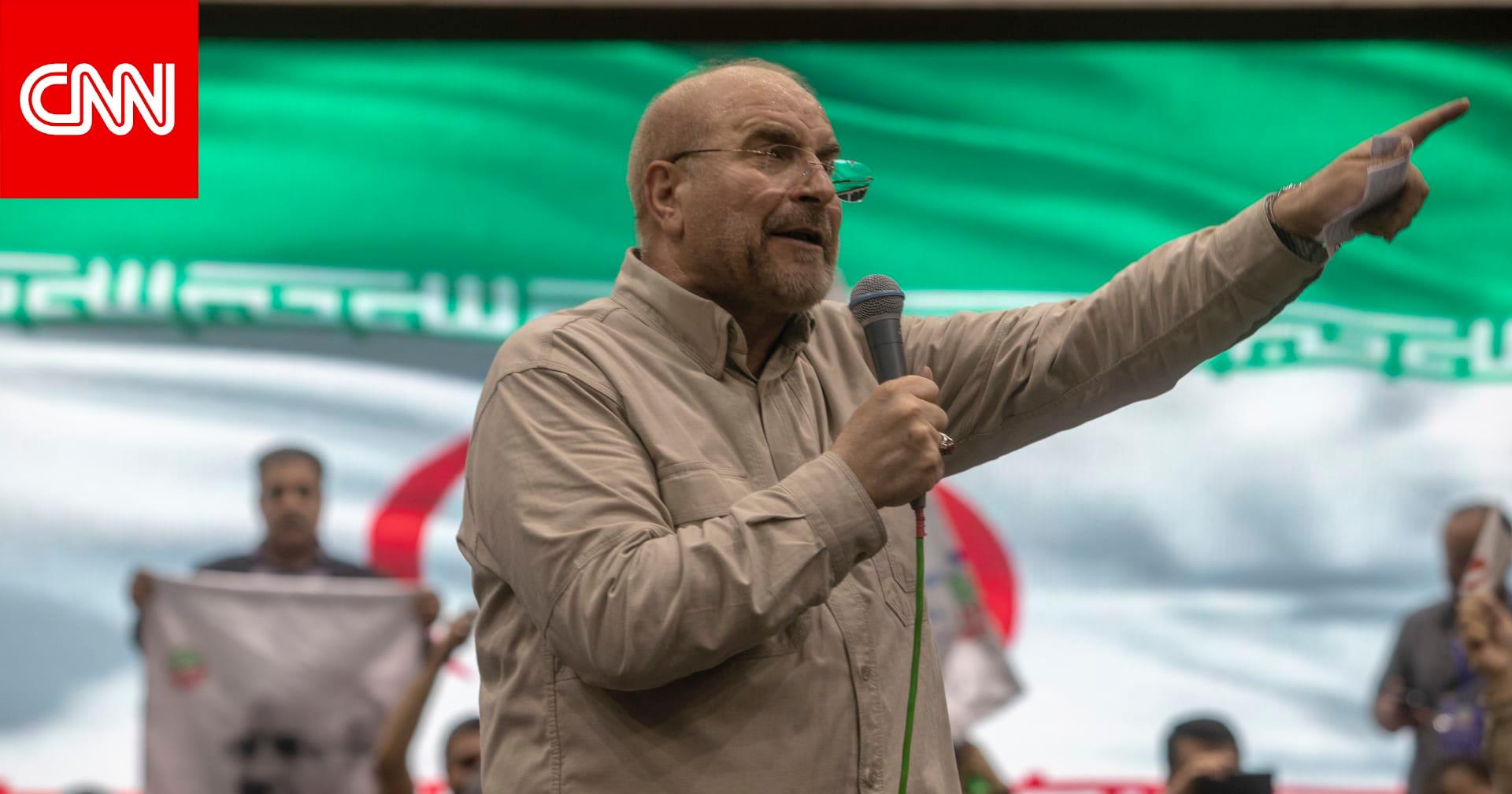
Türkiye Today and Mehr News Agency focus more tightly on Ghalibaf’s X post and the argument that U.S. violation of the ceasefire and blockade are endangering shipping and energy transit, with Türkiye Today repeating the “new equation” language and Mehr News Agency adding a broader narrative of the February 28 war and Iran’s 40-day counterattacks.
IranWire, by contrast, emphasizes negotiation framing by stating that “no military solution exists” and by describing Ghalibaf’s call for the United States to avoid being “dragged into a quagmire again,” while also adding that his comments follow similar remarks by Abbas Araghchi, the Foreign Minister of the Islamic Republic.
Khaama Press and bloomingbit both foreground the “Not Even Started” message, with Khaama Press describing it as a warning that Iran’s actions are still at an early stage and bloomingbit quoting that “the US knows full well it cannot endure the continuation of the current situation.”
Roya News expands the scope beyond the Gulf by describing the ceasefire as fragile, reporting that the United Arab Emirates announced that its air defenses intercepted 19 Iranian missiles and drones on Monday, and adding Trump’s “blown off the face of the Earth” warning.
Al-Manar TV Lebanon also differs by adding IRGC commentary from General Yadollah Javani about U.S. failure to achieve objectives and about Trump’s alleged inability to reverse conditions that existed before February 28.
Energy and market stakes
The sources connect the Strait of Hormuz confrontation to energy security and market impacts, while also describing how U.S. and Iranian positions could shape what happens next.
Roya News says the renewed instability has already rattled global markets, with oil prices climbing and stocks slipping amid concerns over the safety of one of the world’s most critical shipping routes.

It also reports that energy analysts have warned that average gasoline prices in the United States could rise to $5 per gallon if the strait remains closed for an extended period.
Roya News further states that Japan has taken delivery of its first stockpile of Russian oil since the onset of the Iran war, describing a tanker carrying crude produced at the Sakhalin-2 natural gas development project docking at the coast of Imabari in western Japan on Monday.
It adds that the shipment was received by the wholesaler Taiyo Oil following a direct request from the Japanese Ministry of Economy, Trade, and Industry, and it says Japan historically depends on the Middle East for approximately 95% of its oil imports.
The same Roya News account says the maritime bottleneck forced Tokyo to look toward the Sakhalin region in Russia’s Far East, and it describes the Sakhalin-2 project as one of the few Russian energy ventures not subject to the global economic sanctions imposed after the 2022 invasion of Ukraine.
In parallel, Firstpost frames the operational next steps as the U.S. escort effort under “Project Freedom,” while also noting that Iran’s military central command has warned it will target U.S. naval vessels approaching the strait.
More on Iran
Keir Starmer Warns Iran It Will Not Tolerate Inciting Antisemitism Or Destabilising Britain
19 sources compared
Trump Urges South Korea To Join Project Freedom After Namu Explosion In Strait Of Hormuz
22 sources compared
US Intelligence Says Strikes on Iran Have Not Slowed Nuclear Weapon Timeline
14 sources compared
US And Iran Escalate Strait Of Hormuz Tensions As UAE Reports Fujairah Attacks
25 sources compared