Trump Urges South Korea To Join Project Freedom After Namu Explosion In Strait Of Hormuz
Key Takeaways
- Explosion on South Korean cargo ship HMM Namu in Hormuz; Seoul investigating; no casualties.
- Trump urged Seoul to join the US-led Project Freedom to secure Hormuz shipping.
- South Korea reviewing participation in Project Freedom after Namu explosion.
Project Freedom and the blast
A fire and explosion on a South Korean cargo vessel in the Strait of Hormuz has triggered an immediate U.S. push for Seoul to join President Donald Trump’s maritime effort, “Project Freedom,” while Iran and U.S. officials trade accusations over whether the incident was an attack and what the operation will mean for the ceasefire.
“SEOUL, May 05 (AJP) - Following a mysterious explosion on a South Korean cargo vessel in the Strait of Hormuz on Monday, the United States' President Donald Trump has publicly pressured South Korea to deploy military forces to a U”
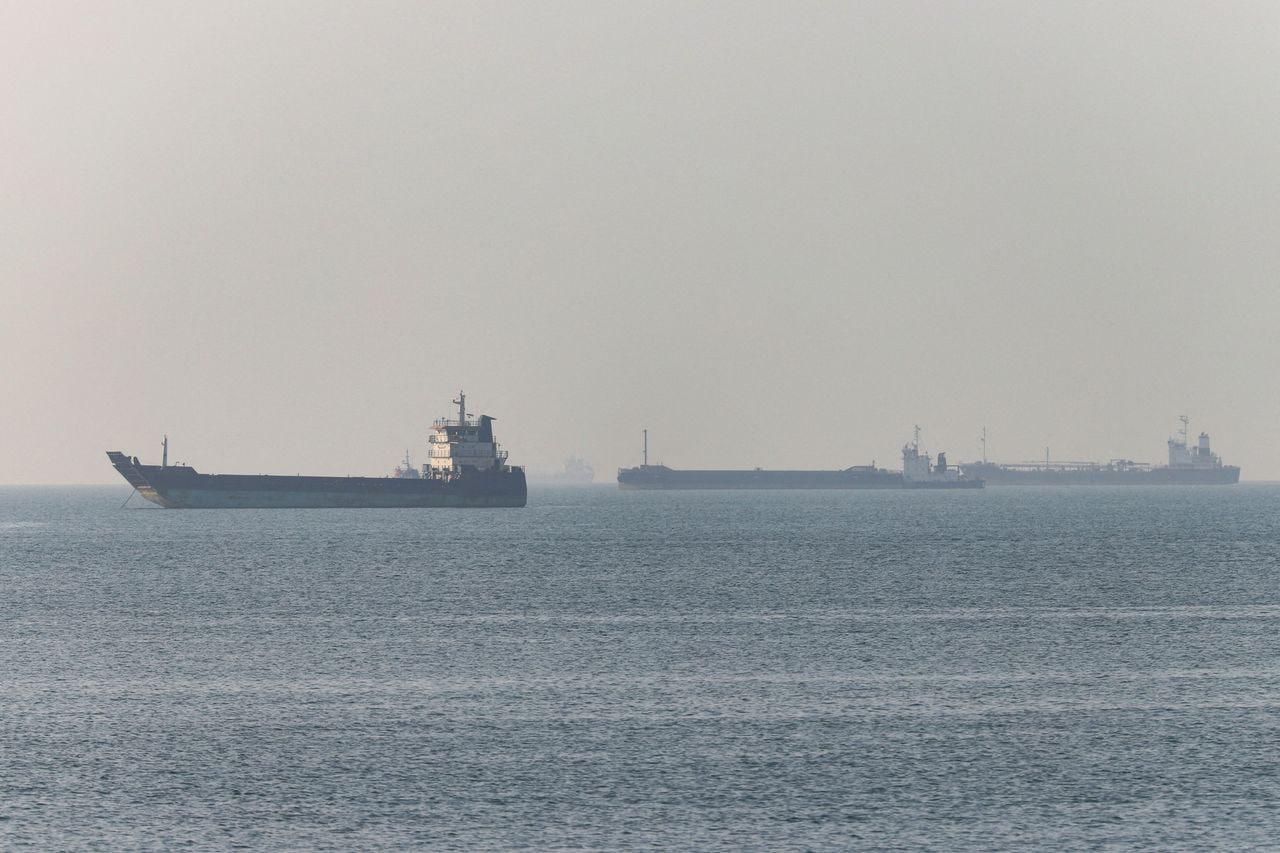
The explosion and subsequent fire occurred at about 8:40 p.m. on May 4 aboard the Namu, an HMM-operated vessel anchored near the Strait of Hormuz, according to multiple reports.
The South Korean government and shipping industry said there were no casualties, while authorities checked whether the vessel was hit and said they would take necessary steps to protect South Korean ships and crew.
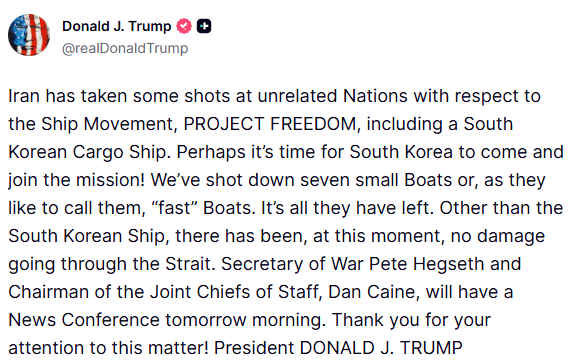
In a Truth Social post, Trump said Iran had taken shots at “unrelated Nations,” including the South Korean cargo ship, and he urged: “Perhaps it’s time for South Korea to come and join the mission!”
Trump also claimed U.S. forces had engaged and destroyed seven Iranian fast boats that were obstructing movement in the strait.
South Korea held an emergency meeting at midnight on Tuesday to discuss the protection of its citizens, with Kim Jin-ah, the second vice foreign minister, saying the government was still investigating the exact cause and the possibility of a targeted strike.
The BBC described the wider backdrop as the Hormuz Strait remaining largely blocked since the U.S. and Israel launched air strikes on Iran on 28 February, leaving ships stranded and raising the risk of wider hostilities.
How the operation is set up
“Project Freedom” is being presented by the U.S. as a way to help ships leave the Strait of Hormuz safely, but the implementation details and the legal or military framing are contested across the reporting.
CBS News said the U.S. set up an “enhanced security area” south of typical shipping routes and urged mariners to coordinate closely with Omani authorities “due to anticipated high traffic volume,” while warning that passing close to the usual routes “should be considered extremely hazardous due the presence of mines that have not been fully surveyed and mitigated.”
The BBC said U.S. Central Command (Centcom) stated the operation would use “guided-missile destroyers, over 100 land and sea-based aircraft, multi-domain unmanned platforms, and 15,000 service members,” and it described a Centcom briefing in which Adm Brad Cooper said vessels from 87 countries were stranded in the Gulf and the U.S. had contacted “dozens of ships and shipping companies to encourage traffic flow through.”
Marine News Magazine reported that the U.S. operation involved multiple steps, including first clearing a pathway of Iranian mines and then proving the safety of the route by sending two U.S.-flagged commercial ships through the strait earlier on Monday.
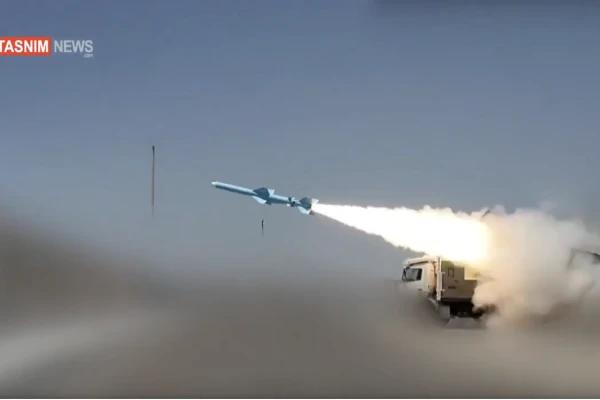
The same report quoted Cooper saying the IRGC had launched multiple cruise missiles, drones and small boats at ships the U.S. was protecting, and that the U.S. had defeated each threat through “defensive munitions.”
NBC News later described the mission’s posture as temporary and aimed at “stabilizing the situation so commerce can flow again,” with Hegseth saying the ceasefire was “not over” despite clashes in the strait.
In parallel, Iran’s military said U.S. forces would be attacked if they entered the Strait of Hormuz, with Major General Ali Abdolla.hi warning: “We warn that any foreign armed force -- especially the aggressive U.S. military -- if they intend to approach or enter the Strait of Hormuz, will be targeted and attacked,” and insisting safe passage must be coordinated with Iranian forces.
Escalation, denials, and threats
The Strait of Hormuz incident has unfolded alongside a broader exchange of fire and threats, with U.S. officials describing defensive actions and Iran disputing the premise of successful crossings.
CBS News reported that Iran’s latest proposal to the United States called for issues between the countries to be resolved within 30 days and aimed to end the war rather than extend the ceasefire, while also noting that Iran’s military said U.S. forces would be attacked if they entered the strait.
It also said Iran’s Revolutionary Guards told the U.S. it faced a choice between an “impossible” military operation or a deal with Tehran, after Trump disparaged Iran’s latest peace proposal, and it quoted Iran’s foreign ministry saying Tehran submitted a 14-point plan “focused on ending the war.”
Marine News Magazine said the U.S. military destroyed six Iranian small boats and intercepted Iranian cruise missiles and drones as Tehran sought to thwart the new U.S. naval effort, and it quoted Adm Brad Cooper saying: “The IRGC has launched multiple cruise missiles, drones and small boats at ships we are protecting. We have defeated each and every one of those threats through the clinical application of defensive munitions.”
NBC News reported that the U.S. military said Tehran’s forces attacked U.S. Navy and commercial ships Monday with cruise missiles and launched drones and small boats at vessels under U.S. escort, while stating that no American ships were struck.
NBC News also quoted Chairman of the Joint Chiefs of Staff Gen. Dan Caine saying that since the ceasefire was announced, Iran had attacked U.S. forces more than 10 times, but that the attacks were “below the threshold of restarting major combat operations.”
At the same time, NBC News said Iran denied there had been any successful crossings of commercial vessels or oil tankers and said none of its navy ships suffered damage, while Iran’s Parliamentary Speaker and lead negotiator Mohammad Bagher Ghalibaf posted on X that there was “no military solution to a political crisis,” and Foreign Minister Abbas Araghchi wrote that “Project Freedom is Project Deadlock.”
The BBC added that Centcom quickly denied Iranian claims that one of its warships had been hit by two missiles, while stating that Iran did fire cruise missiles at both U.S. warships and U.S.-flagged commercial ships, and used drones and small boats against commercial ships.
Seoul’s position and the call to join
South Korea’s response to Trump’s “Project Freedom” push has been cautious and framed as a review of its position rather than immediate participation, even as Trump directly linked the Hormuz blast to Iran’s actions and urged Seoul to join.
The Independent said South Korea was considering joining after the explosion and fire on the HMM Namu, with Trump announcing “Project Freedom” to guide ships through the Strait, blaming Iran for the incident, and urging South Korea to join while claiming Iran had targeted “unrelated nations.”
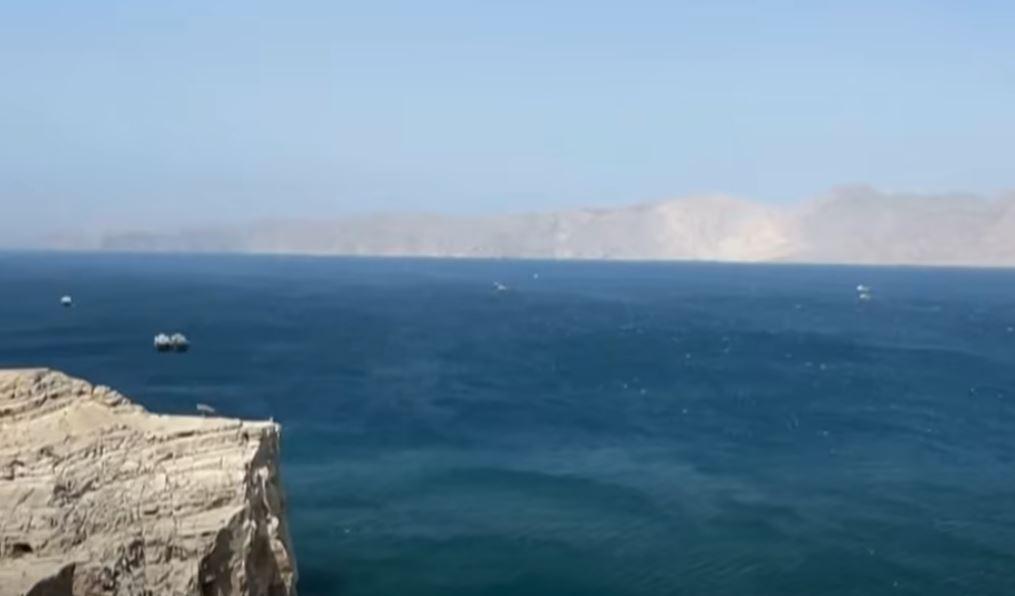
Türkiye Today reported that South Korea said it would “carefully review its position” on joining U.S. operations, and it quoted South Korea’s Foreign Ministry saying the exact cause would be figured out after the vessel was towed and its damage assessed, with the ship expected to be towed to Dubai for further inspection.
The same report said all 24 crew members were confirmed safe, and it quoted South Korea’s Foreign Ministry saying: “The exact cause of the accident would be figured out after the vessel is towed and its damage is assessed,” while also noting that HMM officials said it remained unclear whether the incident was caused by an external attack or an internal malfunction.
Reuters-focused reporting in the Aju Press account described Seoul’s emergency meeting at midnight and said Kim Jin-ah expressed deep concern but emphasized the government was still investigating the exact cause and the possibility of a targeted strike.
SCMP reported that Seoul’s answer was “a polite but firm no – or at least, not yet,” and it said a UN mandate and a global coalition were required before Seoul joins Trump’s mission, citing officials.
Across the accounts, Trump’s pressure is consistent: he wrote on Truth Social that “Perhaps it’s time for South Korea to come and join the mission!” and he claimed “Other than the South Korean ship, there has been, at this moment, no damage going through the Strait.”
What happens next for shipping
The immediate consequence of the Hormuz flare-up is a contest over whether commercial traffic can resume safely under U.S. guidance, and the reporting shows both progress claims and competing denials.
“What we know about Trump's 'Project Freedom' in Strait of Hormuz President Donald Trump has announced the US will help "guide" ships that have been stranded by Iran's closure of the Strait of Hormuz”
BBC said Centcom stated that “As a first step, 2 U.S.-flagged merchant vessels have successfully transited through the Strait of Hormuz and are safely headed on their journey,” while also noting that Iran’s Islamic Revolutionary Guard Corps denied any vessels had passed through the Strait.
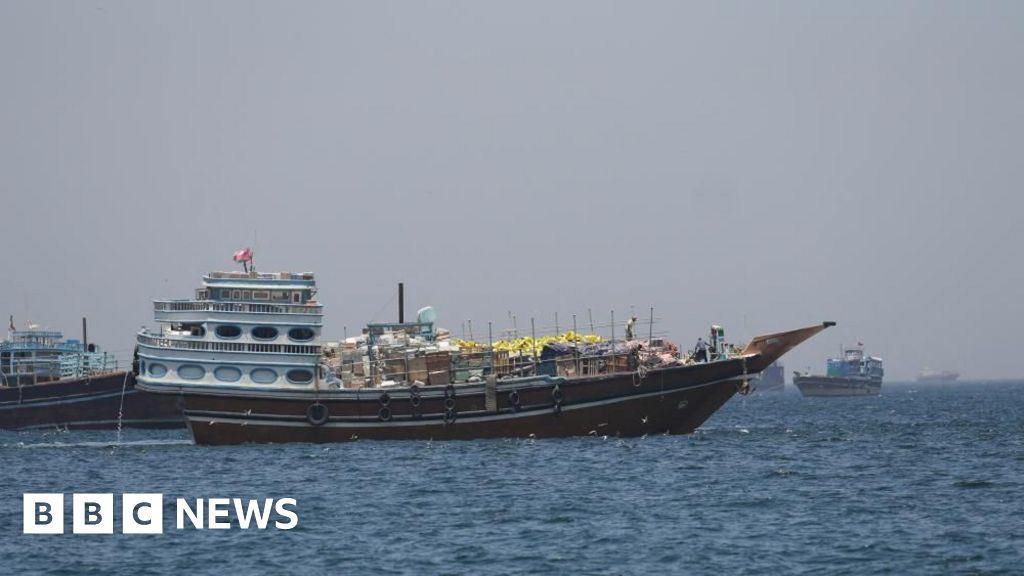
Marine News Magazine said the U.S. operation included clearing a pathway of Iranian mines and then proving the safety of the route by sending two U.S.-flagged commercial ships through the strait, and it quoted Cooper saying the U.S. was encouraging vessels to travel through the passageway despite Iranian threats.
NBC News said two U.S.-flagged merchant vessels made it through the strait and that MAERSK confirmed that one of its vehicle carriers was escorted out “under U.S. military protection,” while also reporting that hundreds of ships were lining up to transit and that the military was in active communication with them.
The same NBC report said Hegseth asserted the ceasefire was “not over” and that Iran had attacked U.S. forces more than 10 times since the ceasefire was announced, while Iran’s officials framed the situation as politically deadlocked.
In parallel, CBS News said the Joint Maritime Information Center urged mariners to coordinate closely with Omani authorities and warned of mines near typical routes, and it described the disruption as one of the most enduring consequences of the war launched Feb. 28.
The BBC also highlighted that what remains unclear is whether the U.S. will attempt a military escort, quoting Intertanko’s Tim Wilkins saying there was “no structured convoy or co-ordination mechanism in place” and asking “who initiates these transits?” and “what is the fallback if a vessel is challenged by Iranian forces during the transit?”
For South Korea specifically, the next step is investigation and damage assessment, with Türkiye Today saying the vessel was expected to be towed to Dubai for further inspection and that the cause would be figured out after towing.
The stakes are therefore immediate for crews and cargo transiting the strait, and diplomatic stakes are immediate as well, with CBS News reporting Pakistan’s foreign minister and Iran’s Seyed Abbas Araqchi discussed “regional situation and Pakistan's ongoing diplomatic efforts for peace and stability in the region.”
More on Iran

Keir Starmer Warns Iran It Will Not Tolerate Inciting Antisemitism Or Destabilising Britain
19 sources compared
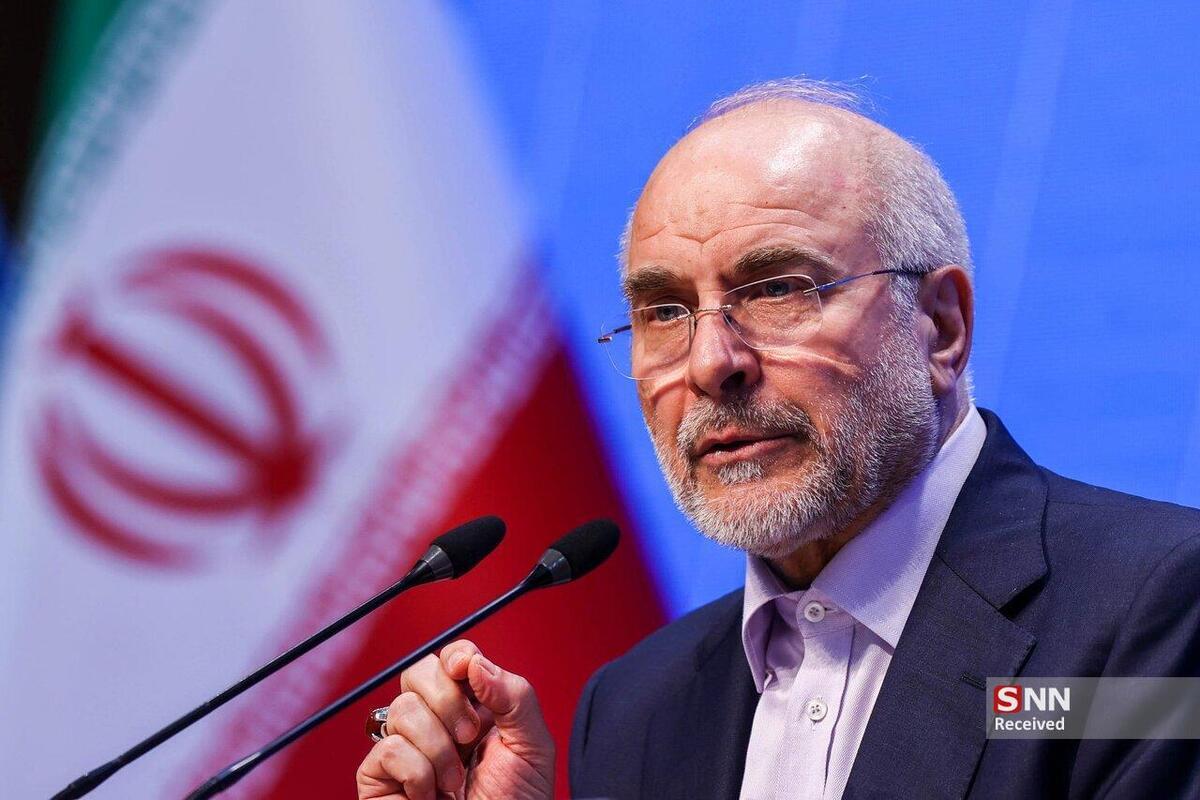
Mohammad Bagher Ghalibaf Warns United States as Strait of Hormuz Tensions Escalate
27 sources compared
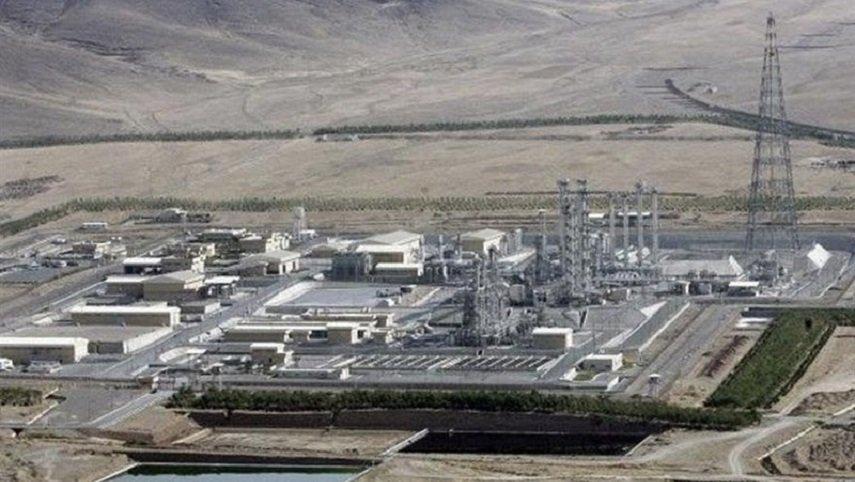
US Intelligence Says Strikes on Iran Have Not Slowed Nuclear Weapon Timeline
14 sources compared
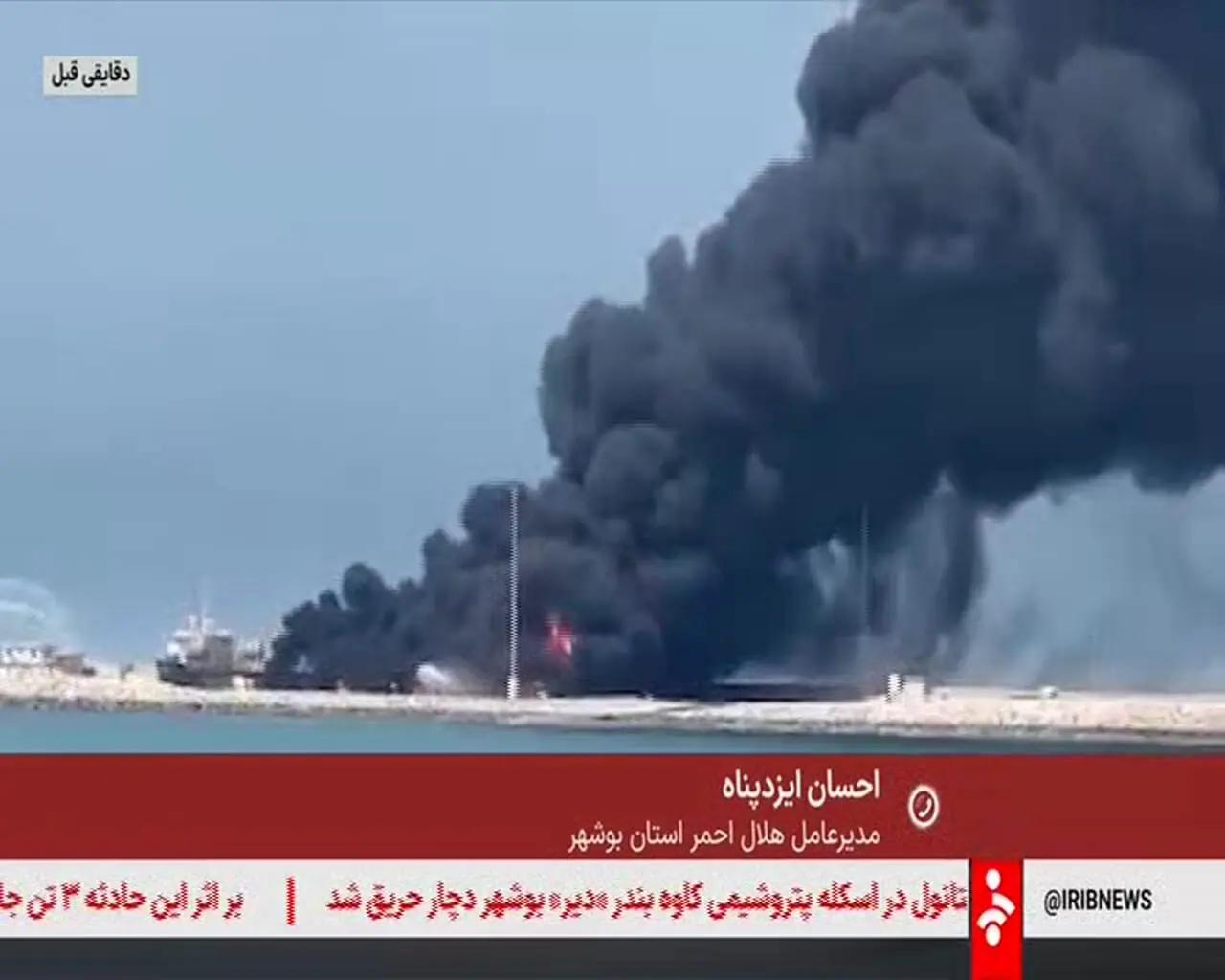
US And Iran Escalate Strait Of Hormuz Tensions As UAE Reports Fujairah Attacks
25 sources compared