
Mojtaba Khamenei Threatens Revenge, Vows To Protect Nuclear And Missile Capabilities In Hormuz Strait
Key Takeaways
- Khamenei vows to protect Iran's nuclear and missile capabilities.
- Keeps the Strait of Hormuz closed to pressure adversaries.
- Threatens immediate strikes on American bases in the Middle East.
Khamenei’s defiant message
Iran’s new supreme leader, Mojtaba Khamenei, issued a defiant written statement read by a state television anchor on Thursday, signaling a “new chapter” for Iran’s control of the Strait of Hormuz.
In the statement, Khamenei said the only place Americans belonged in the Persian Gulf is “at the bottom of its waters,” and he vowed that Iran would protect its “nuclear and missile capabilities.”
The Times of Israel reported that Khamenei’s remarks were delivered as he has taken over as supreme leader after his father, the 86-year-old Supreme Leader Ayatollah Ali Khamenei, was killed in the February 28 attack.
PBS, citing Associated Press reporting, said Khamenei has not been seen in public since taking over following the killing of his father in the war’s opening airstrikes.
The Guardian likewise said there has been “No recording or visual sighting of Khamenei has been broadcast since he was appointed supreme leader in early March.”
In the same statement, Khamenei framed Iran’s posture as protection of national assets, saying “Ninety million proud and honorable Iranians inside and outside the country regard all of Iran’s identity-based, spiritual, human, scientific, industrial and technological capacities — from nanotechnology and biotechnology to nuclear and missile capabilities — as national assets.”
He also referred to the United States as the “Great Satan,” and said “Foreigners who come from thousands of kilometers away to act with greed and malice there have no place in it — except at the bottom of its waters.”
The statement also tied the Strait of Hormuz to regional security, with Khamenei saying Iran’s “legal rules and new management” of the strait would benefit the region’s nations.
Oil chokehold and prices
Khamenei’s statement landed as Iran’s oil industry faced pressure from a U.S. Navy blockade that halts tankers from getting out to sea, while Iran maintained its “chokehold” on the Strait of Hormuz.
PBS said Iran’s economy is reeling and its oil industry is being squeezed by a U.S. Navy blockade halting its tankers from getting out to sea, and it added that the world economy is also under pressure as Iran maintains its chokehold on the Strait of Hormuz, “through which a fifth of all crude oil is transported.”
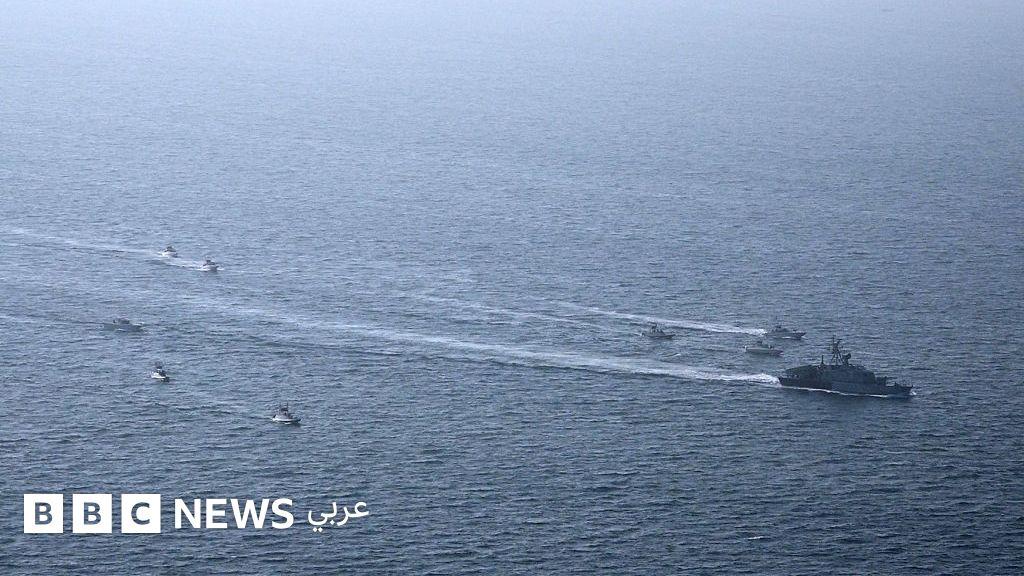
The Times of Israel reported that benchmark Brent crude for June delivery reached as much as $126 a barrel in trading on Thursday, and it described the strait as the narrow mouth of the Persian Gulf through which “a fifth of all crude oil and natural gas traded passes.”
The Guardian similarly said the oil price was pushed above $120 a barrel and described the U.S. counter-blockade as starting “Since 13 April.”
The Times of Israel also described how the U.S. blockade is designed to prevent Iran from selling its oil, depriving it of crucial revenue, while potentially creating a situation where Tehran has to shut off production because it has nowhere to store oil.
It further said the strait’s closure put pressure on Trump as oil and gasoline prices “have skyrocketed ahead of crucial midterm elections,” and it said the pressure also fell on Gulf allies that use the waterway to export their oil and gas.
In the same reporting, The Times of Israel said Iran had been charging some ships reportedly $2 million apiece to travel through the strait.
France 24 added that the prospect of continued severe disruptions pushed oil prices back above $100 a barrel after they had fallen earlier in the week in hopes the conflict would end quickly.
Talks, bases, and legal fights
While Khamenei’s message emphasized protecting Iran’s nuclear and missile capabilities and keeping the strait as a pressure point, other voices in the sources focused on whether dialogue with Washington would resume and how the strait’s status is governed.
“The new Iranian Supreme Leader, Mojtaba Khamenei, in his first public statement since taking office, called for the continued closure of the Strait of Hormuz as a tool to pressure the enemy”
Al Jazeera’s Arabic-language report quoted Foreign Minister Abbas Araghchi telling PBS News in an interview that it is premature for the new leader, Mojtaba Khamenei, to make any statements about talks with the United States, and that he does not expect them to be resumed.
Araghchi also said Iran has “a very bitter experience” with the United States and that he does not see negotiating with them remaining on the agenda, linking that to “the attacks carried out by Israel and the United States against Tehran.”
In the same report, Araghchi stressed that “The Strait of Hormuz has not closed,” and he said oil tankers continue to pass through it normally, denying responsibility for any slowdown or stoppage in oil shipments.
PBS described a separate U.S. diplomatic track, saying Trump is floating a new plan to reopen the critical passageway and that under the plan the U.S. would continue its blockade on Iranian ports while coordinating with allies to impose higher costs on Iran’s attempts to subvert the free flow of energy.
France 24 said Khamenei ordered the Strait of Hormuz to be kept closed and warned that Iran would continue to attack American bases, while CNBC Arabic reported Khamenei called for the immediate closure of all American military bases in the Middle East and said “these bases will be attacked.”
The BBC’s legal explainer added a different dimension by laying out how the United Nations Convention on the Law of the Sea (UNCLOS) of 1982 governs navigation, describing regimes such as “transit passage” and “innocent passage.”
It quoted Alexander Lut explaining that transit passage grants ships the right of “unimpeded and expeditious passage through these straits,” without coastal states being able to interfere or suspend passage.
Revenge, attacks, and IRGC
Several sources tied Khamenei’s first message to a posture of continued fighting and revenge, while also describing ongoing attacks that disrupted energy flows around the region.
France 24 reported that Khamenei threatened in his first message with “revenge” and called to keep the Strait of Hormuz closed, insisting that his country will not tolerate “revenge” for the deaths of its citizens and will continue to attack American bases.
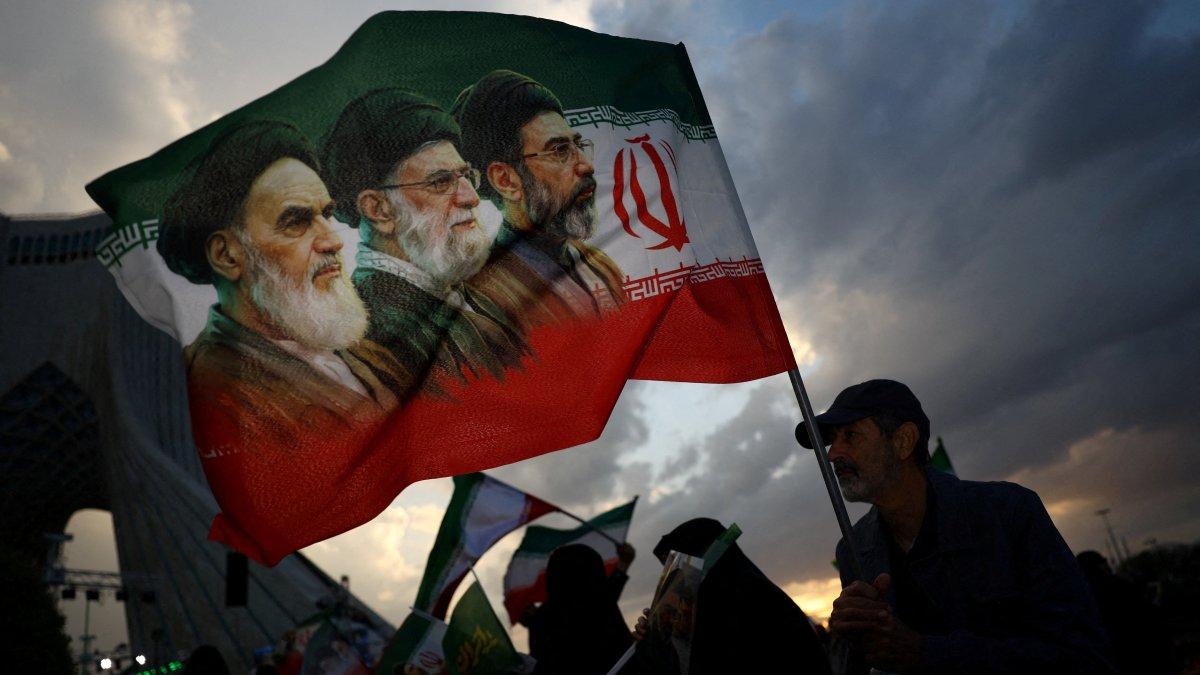
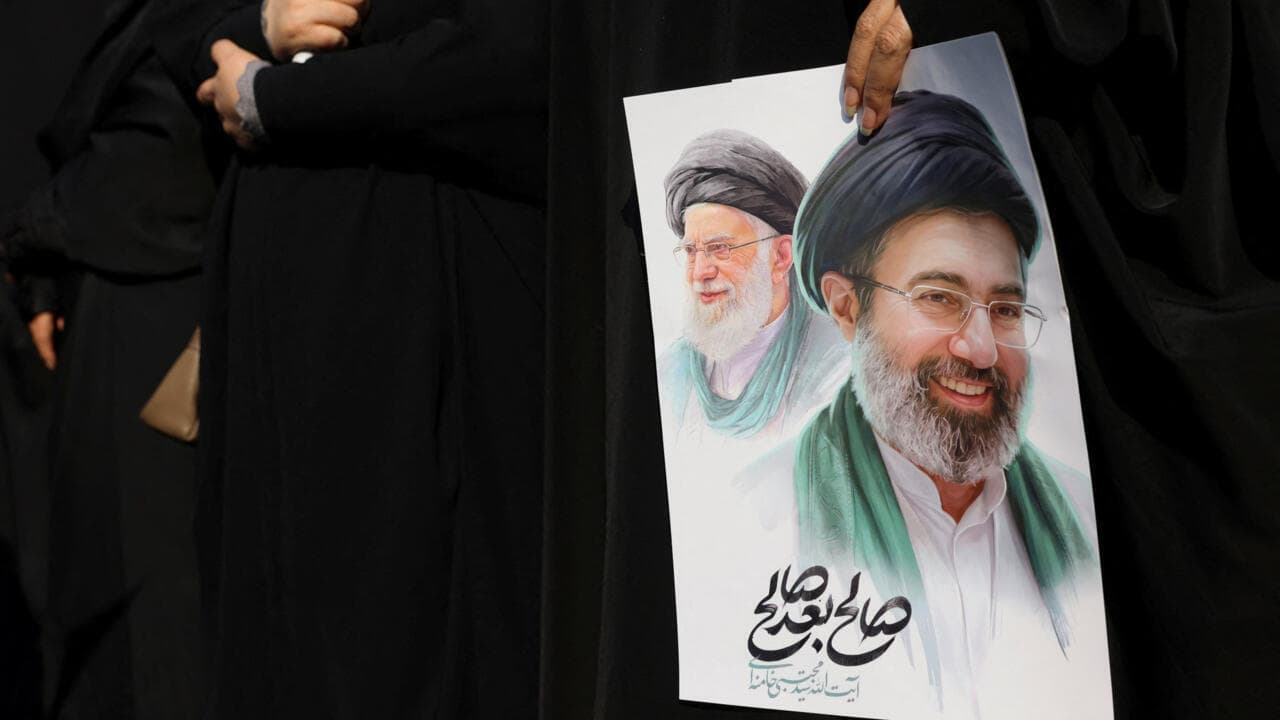
It said Khamenei’s remarks were limited to a statement read by an anchor on state television, and it reported that he has not appeared publicly since being chosen as supreme leader on Sunday, succeeding his father Ali Khamenei who was killed in the first Israeli-American strikes on Iran.
France 24 also said the Thursday statement carried a defiant tone, with Khamenei urging Iran’s neighbors to close American bases on their soil and warning that Iran would continue to strike.
It quoted the hardline leader saying, “We will not tolerate revenge for the blood of your martyrs,” and it added that he said, regarding the Strait of Hormuz, “We must also continue to use the tactic of closing the Strait of Hormuz.”
The same France 24 report described fires breaking out on two tankers at an Iraqi port on Thursday after they were attacked by what were suspected to be Iranian explosive boats, and it said Reuters footage verified the tankers off the coast of the Basra port with enormous flames.
France 24 also said Iraqi authorities said the tankers were attacked at night by explosive-laden boats, killing at least one crew member, and it said earlier three other ships were targeted in the Gulf a few hours earlier.
It reported that the IRGC claimed responsibility for at least one attack targeting a container ship flying the Thai flag and set it on fire, and that the Guard said the vessel violated orders.
Different frames across outlets
The sources diverge in how they frame Khamenei’s message, the status of the Strait of Hormuz, and the implications for negotiations and shipping.
The Times of Israel and PBS both emphasize Khamenei’s defiance and his insistence on protecting “nuclear and missile capabilities,” with The Times of Israel describing a “new chapter” and PBS describing a statement read by a state television anchor.
The Guardian, while also quoting Khamenei’s statement about “new management of the strait,” adds a broader legal and operational picture, saying the U.S. counter-blockade began “Since 13 April,” that vessel traffic levels are “sometimes as low as three ships a day,” and that the oil price was pushed above $120 a barrel.
By contrast, Al Jazeera’s report quotes Foreign Minister Abbas Araghchi saying “The Strait of Hormuz has not closed” and that oil tankers continue to pass through it normally, directly contradicting the idea of a closure.
France 24 frames Khamenei’s message as an order to keep the strait closed and as a pressure card against the United States and Israel, while CNBC Arabic frames the same posture as a tool to pressure the enemy and says Khamenei called for bases to be attacked.
The BBC’s piece shifts away from immediate political claims and instead focuses on international law, grounding the discussion in UNCLOS of 1982 and explaining regimes like “transit passage” and the “Traffic Separation Scheme.”
Even within the economic framing, the outlets differ in the numbers they highlight, with The Times of Israel citing Brent crude for June delivery reaching “as much as $126 a barrel,” while The Guardian says the oil price was pushed above $120 a barrel and also references $125 a barrel.
The sources also differ on the tone and timing of Khamenei’s visibility, with The Times of Israel reporting he has not been seen in public or on video since he assumed his father’s role, while The Guardian says there has been “No recording or visual sighting” since early March.
More on Iran
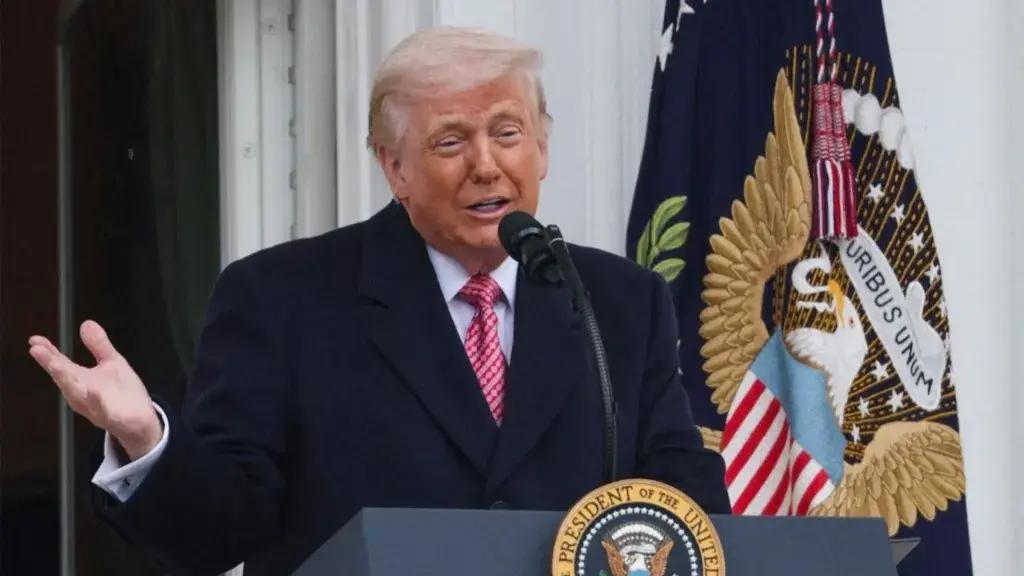
Donald Trump Renames Strait of Hormuz ‘Strait of Trump’ Amid US-Iran Naval Blockade
17 sources compared

Pentagon Tells House Armed Services Iran War Costs $25 Billion So Far
10 sources compared
Brad Cooper Briefs Donald Trump on New U.S. Military Options Against Iran Thursday
15 sources compared

UN Rights Chief Volker Türk Says Iran Executed At Least 21, Detained Over 4,000
22 sources compared