
Money Report
Key Takeaways
- Florida braces for Hurricane Ian.
- Hurricane Fiona devastates Puerto Rico, leaving hundreds of thousands without electricity or running water.
- A new floating infrastructure industry aims to combat flooding.
Disaster context and flood
Florida is bracing for Hurricane Ian.
“Artist rendering courtesy Oceanix, BIG-Bjarke Ingels Group”
Hurricane Fiona has just devastated Puerto Rico, flooding the islandleaving hundreds of thousandswithout access to electricity or running water.
Meanwhile, flooding in Pakistan has taken over 1,600 lives.
Floating infrastructure approaches
To combat the some of the worst impacts of flooding, a new industry of floating infrastructure is emerging.
There are two distinct approaches that are being put forth as possible solutions: retrofitting homes to be amphibious and building floating city blocks.
Stream NBC4 newscasts for free right here, right now.
Amphibious retrofit details
Amphibious homes can preserve the accessibility of the house and maintain the congenial front porch culture in places like Louisiana, said Elizabeth English, founder and director of The Buoyant Foundation Project and professor of architecture at the University of Waterloo in Canada.
“Artist rendering courtesy Oceanix, BIG-Bjarke Ingels Group”
English's design places a steel frame beneath a house, and then below that, in the crawl space, buoyancy elements.
Her team then recommends adding elements to prevent lateral movement so the home will not float away while on the surface of floodwaters.
She said this works best in shotgun-style homes without basements, and because all modifications are made below the first floor, the rest of the house can remain unchanged.
She estimated that a contractor could do such a retrofit for about $20 to $30 per square foot, but cautioned the Federal Emergency Management Agency currently discourages this type of building practice.
In the long run, English cautioned that "retrofits in general are not a good way to make money because each one is individual and has to be custom designed. And so that's very expensive."
She does, however, hope that her design could help preserve culture and give communities one option to help as they decide how they want to adapt to rising sea levels.
Oceanix City proposal details
Modern floating cities are the brainchild of architect Bjarke Ingels.
He told CNBC he hopes hisOceanix City, which is currently slated to be built in the harbor near Busan, South Korea, will be "a city that is the most resilient city you can imagine, but at the same time, the most enjoyable city that you can imagine."
"The floating city will consist of multiple islands, so to say. But one island is 1.6 hectares, which is about four acres, and fits around 3,000 people," Oceanix CEO Philipp Hofmann told CNBC.
The prototype that's being developed under the watchful eye of the United Nations Human Settlements Programme will consist of three "islands" that are self-contained city blocks at first: one for hospitality, one for research and one for living.
Each platform costs about $150 million to $200 million, according to Oceanix.
"We really hope that it will be a successful project and we would like to replicate it in other parts of the world," Maimunah Mohd Sharif, executive director of the United Nations Human Settlements Programme, told CNBC of the Oceanix development.
She said the world must look more into adaptation and hopes that the project can help mitigate or even solve the problem of sea-level rise.
"I'm not scared of failure. But I think we learn from that. So let's do it," she said.
Watch thevideoabove to learn more about how floating infrastructure is being seen as a crucial adaption to the threat of rising sea levels.
More on Technology and Science
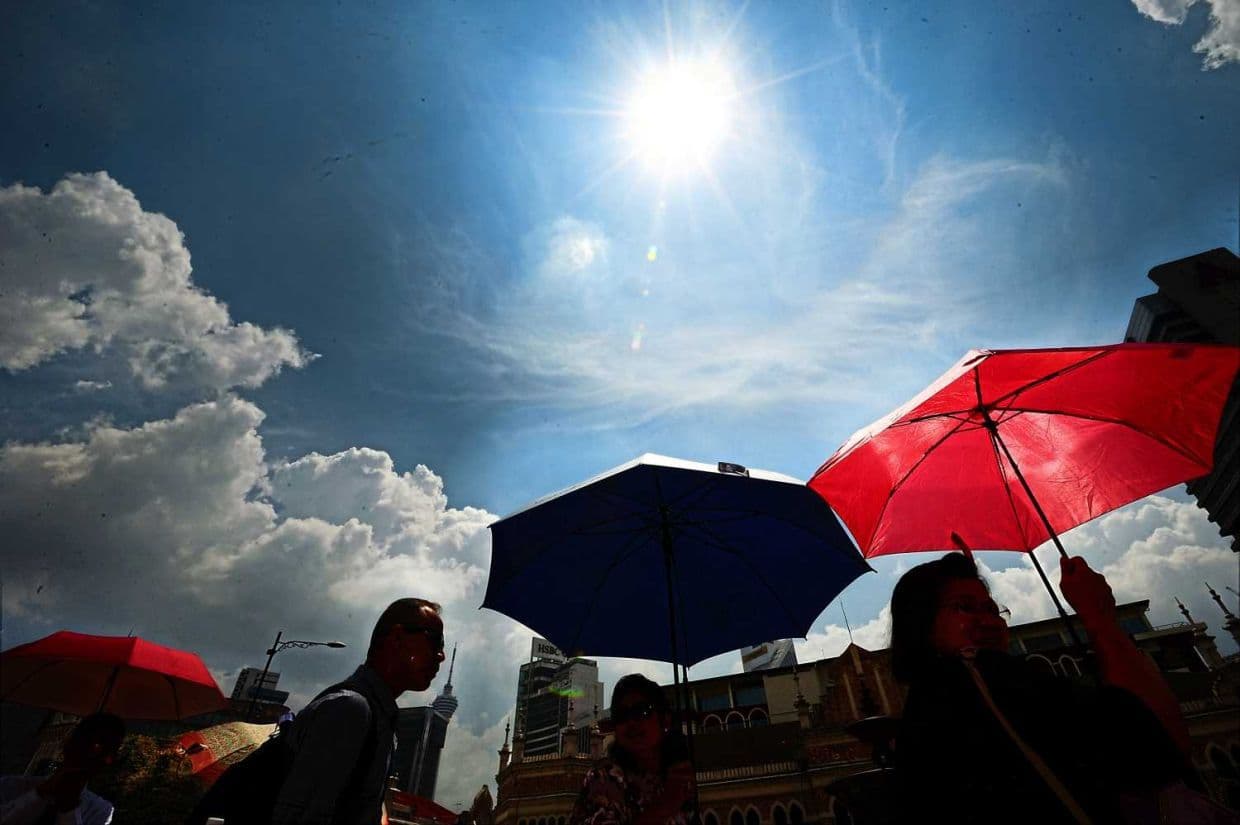
UN Says 2025 Heat Will Last Thousands of Years
11 sources compared

UN Warns 2025 Heat Record Will Endure for Thousands of Years
14 sources compared
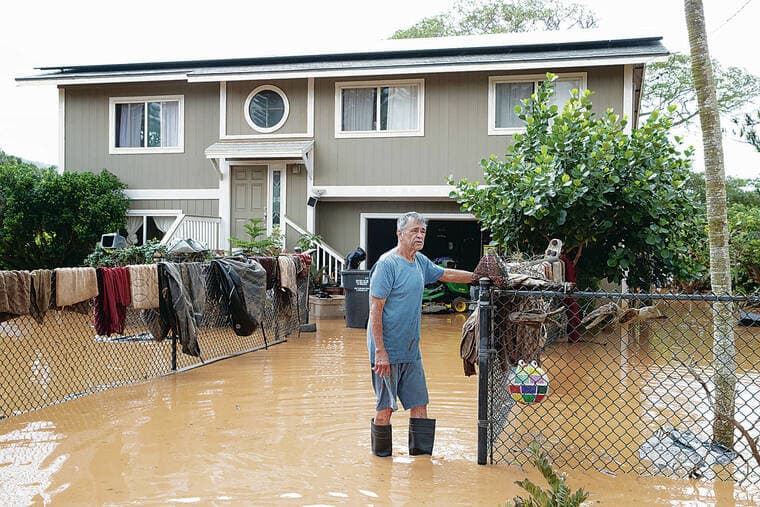
Hawaii Suffers Its Worst Floods in Over 20 Years, Prompting Thousands to Evacuate
46 sources compared

Kona Low Storms Strike Oʻahu and Maui, Hawaii Faces Worst Flooding in 20 Years
24 sources compared