USA24 January, 20263 min read
Monster Winter Storm Cancels Over 10,000 Flights Across U.S.
This article is an automated aggregation of coverage from news outlets. Our editorials offer in-depth analysis curated by the NewsCord team.
Airlines canceled over 10,000 U.S. flights due to the storm More than 200 million people were under winter alerts and cold-weather warnings
21 outlets told this the same way.
Outlets did split on Trump Interrupted by Protesters at San Antonio Rally for Ken Paxton →
Winter storm cancels flights
A massive winter storm swept across much of the United States and canceled and disrupted thousands of flights over the weekend. Some outlets reported more than 10,000 cancellations while others gave lower single-day tallies. Al Jazeera reported the storm canceled more than 10,000 flights on Sunday and delayed another 8,000.
The BBC summarized that there were more than 10,000 U.S. flights canceled over the weekend, roughly 3,500 one day and 6,500 another. CNN emphasized the intensity of one day of disruption, saying more than 2,700 U.S. flights were canceled, the highest single-day total in at least a year. Together, these accounts portray a storm that produced record or near-record disruption to air travel across multiple days and hubs.

Major airport cancellation impacts
Major airline hubs and regional airports reported severe disruption and very high cancellation rates, with Dallas–Fort Worth, Memphis and other southern hubs singled out. ABC7 News said Dallas’s two airports were among the hardest hit, and CNN cited Cirium data showing extreme cancellation rates at Memphis (84%), Dallas–Fort Worth (71%) and Oklahoma City (64%).
Fox Weather and the BBC also reported widespread cancellations and large hub impacts, with the BBC noting Dallas–Fort Worth recorded over 1,000 cancellations and Fox Weather warning major hubs were preparing for severe delays. Combined coverage shows both passengers stranded and active efforts by carriers to rebook and add flights for those travelers.

Storm scope and impacts
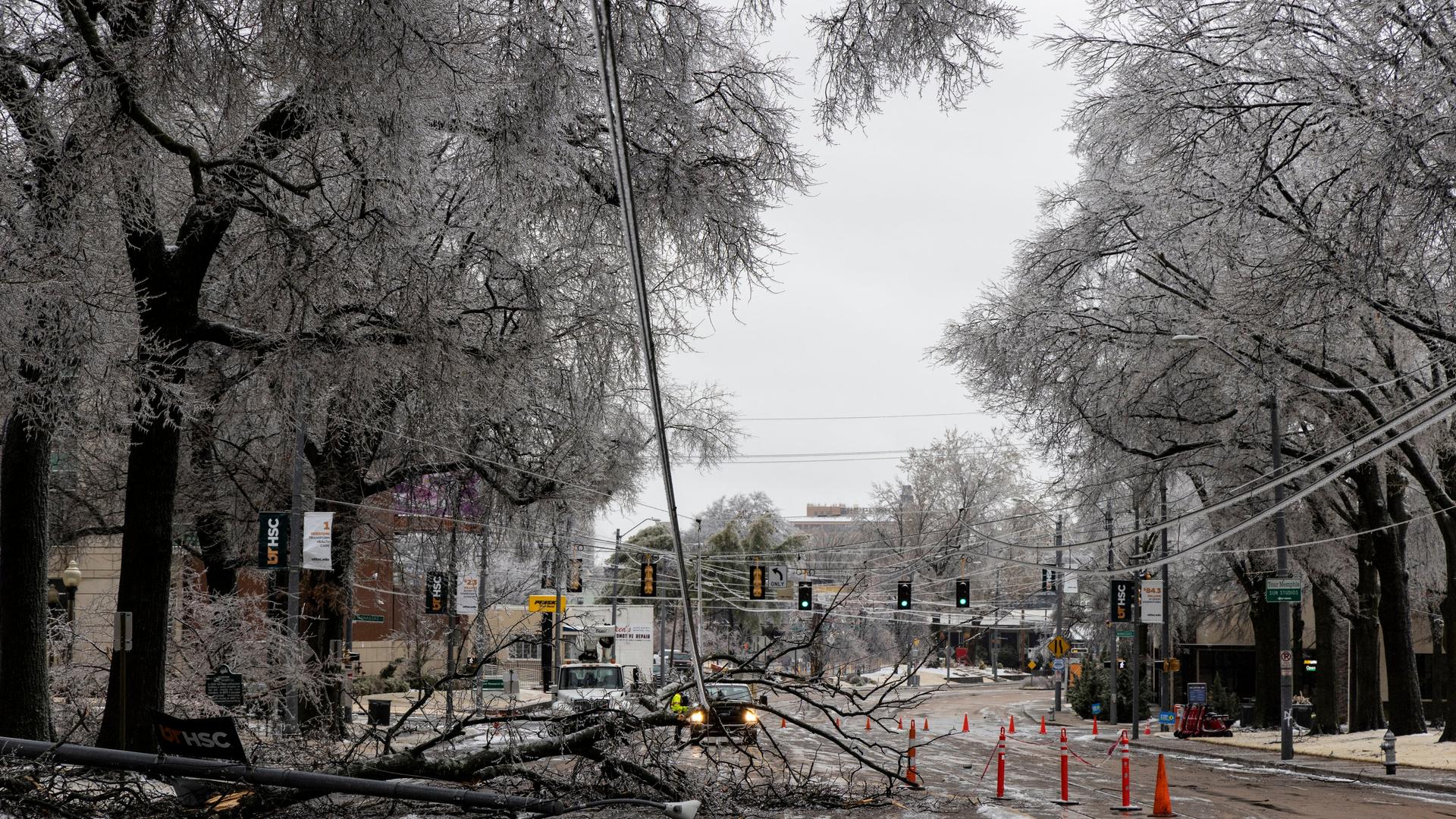
Outlets described the storm's geographic sweep and meteorological causes with differing scale estimates. AP and Mint emphasized a multi-thousand-mile track, with AP saying it moved from the South into the Midwest and Northeast and brought a mix of snow, sleet and freezing rain across about 2,000 miles, while Foxweather described it as stretching about 2,300 miles. BBC and The Financial Express framed the human exposure, citing roughly 200 million people across about 30 U.S. states and a swath of heavy snow from Oklahoma City to Boston.
“Scientists say the storm stems from a stretched polar vortex, a pattern whose increasing disruption may be linked to climate change.”
Al Jazeera added context by reporting scientists linking the system to a stretched polar vortex that may be connected to climate change. Together, the sources portray a vast, multi-region system whose precise measured length and population effects differ by outlet and metric.
Storm emergency response
Beyond travel, the storm prompted emergency declarations, National Guard activations, and large staffing and supply responses. The Associated Press reported that Governor Brian Kemp deployed 120 National Guard members to hard-hit northeast Georgia. The BBC said at least 18 U.S. states declared states of emergency and nine activated their National Guards.
Al Jazeera reported federal pre-positioning of supplies and search-and-rescue teams and said the Department of Energy authorized grid operator PJM to run specified resources despite limits. CNN and The Financial Express noted widespread official mobilization and closures. The reporting shows both local operational steps and larger federal coordination to respond to expected prolonged cold and outages.

Severe cold impacts summary
Reports describe human impacts including extreme cold, power outages and canceled public events. Outlets differ in the specific details they emphasize. The Associated Press said the Midwest experienced extreme cold with wind chills down to about -40°F.
“The Midwest experienced extreme cold and windchills down to about −40°F, with Wisconsin recording its coldest reading in nearly 30 years.”
BBC and Al Jazeera forecast even lower wind-chill extremes, with BBC saying readings could fall to around -45°C (about -49°F) and Al Jazeera saying wind chills could fall below -50°F. Arise News reported over 84,000 customers without power, about 43,000 of them in Texas.
Several outlets noted widespread cancellations of schools, parades and other events. Across sources, the tone ranges from practical safety warnings to broader climate context depending on outlet type.