Technology and Science17 July, 20263 min read
Moonshot Unveils Kimi K3, Claiming It Rivals OpenAI and Anthropic
This article is an automated aggregation of coverage from news outlets. Our editorials offer in-depth analysis curated by the NewsCord team.
Kimi K3 is the largest open-weight AI model at 2.8 trillion parameters. Kimi K3's performance rivals OpenAI and Anthropic on benchmarks.
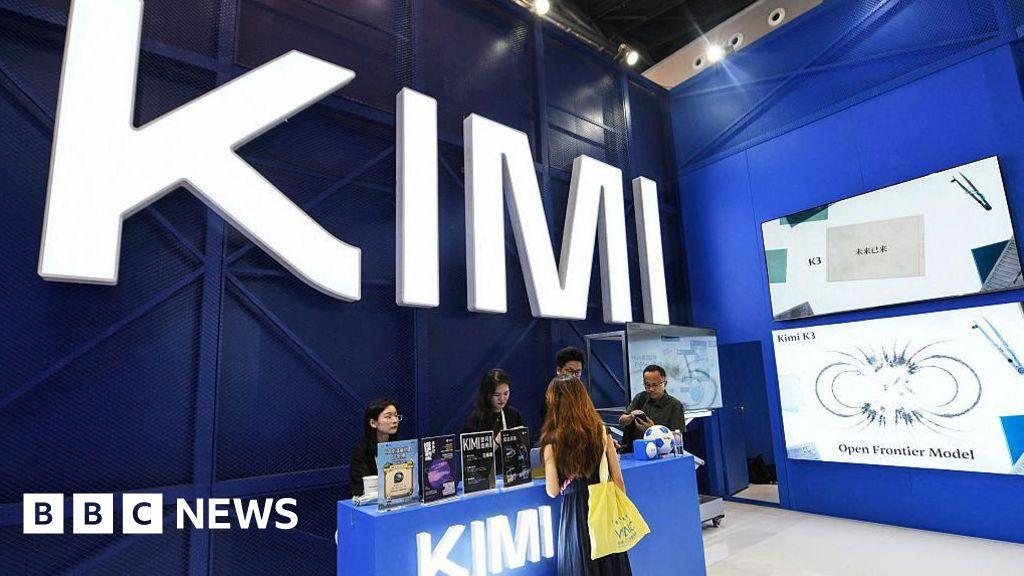
Kimi K3 stuns U.S.
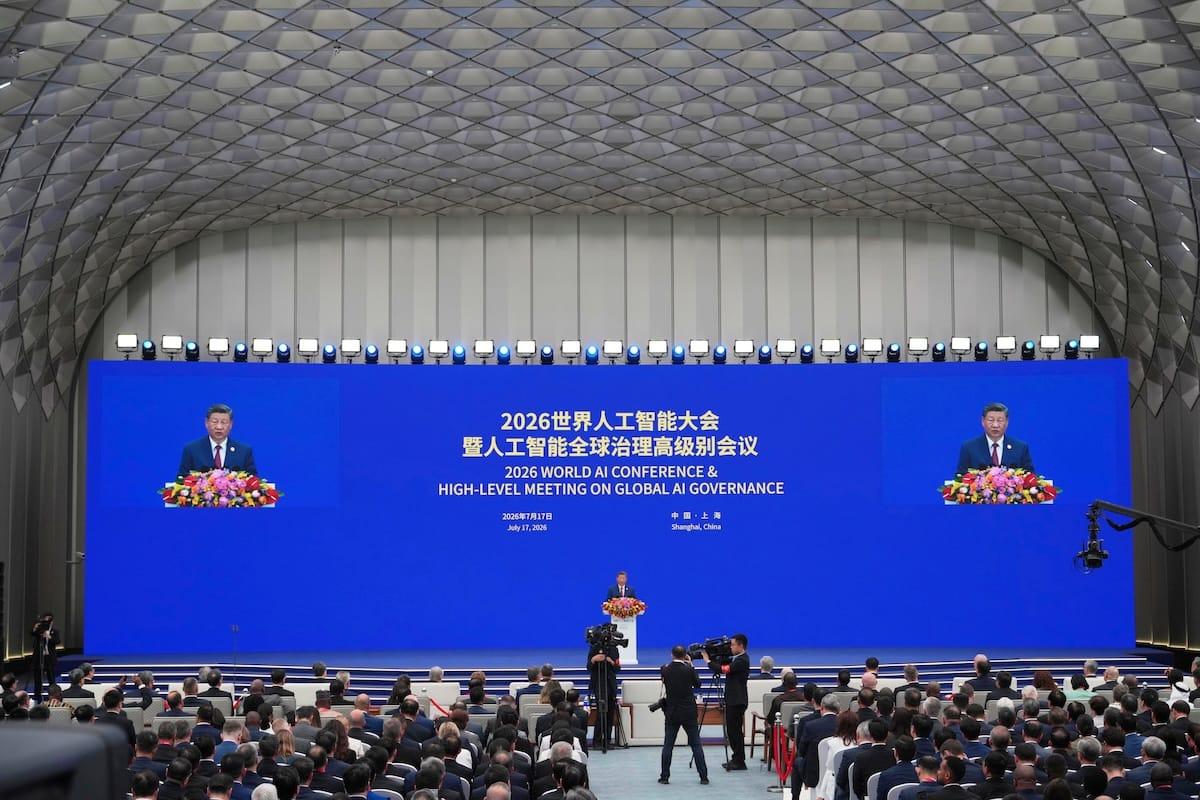
Chinese AI startup Moonshot unveiled Kimi K3, a model it says can rival OpenAI and Anthropic, as the release landed just before Chinese President Xi Jinping’s opening address Friday to the nation’s annual World Artificial Intelligence Conference in Shanghai. The model, described as having 2.8 trillion parameters, is expected to be released as an open-source model on 27 July, and Moonshot said K3 is its "most capable flagship model to date". Arena’s co-founder and CEO Anastasios Angelopoulos said Kimi K3 "may be the single biggest release of the year," and he tied the moment to open-source Chinese models surpassing closed U.S. models.
The BBC reported that the sudden breakthrough comes weeks after the U.S. government forced Anthropic to temporarily withdraw its flagship Fable and Mythos models due to severe cybersecurity concerns, before Washington later lifted those restrictions. During the conference, tech giant Huawei showcased a new AI computing system called the Atlas 950 SuperPoD, while Moonshot has not said what hardware it used to build K3, though the startup is a partner with Huawei.
Open weight vs closed
Moonshot said K3 stands as its "most capable flagship model to date," while the BBC described the open nature as allowing global users to modify the system for advanced reasoning and complex software development. In a note led by Alex Liu, Bank of America analysts said, "K3 demonstrates that pre-training scaling, paired with architectural innovation, can still deliver step-change gains for flagship Chinese models," even as CNBC framed the release as intensifying the U.S.-China race for AI supremacy. The BBC reported that third-party evaluations from Artificial Analysis and Arena.ai show the model performing on a par with leading models in the US, including OpenAI's GPT and Anthropic's Claude.
CNBC also quoted Patrick Moorhead characterizing the market reaction to Kimi K3 as "an over-reaction shockingly similar the DeepSeek panic," and he added that "We are far away from super-intelligence." The same CNBC coverage said Perplexity CEO Aravind Srinivas argued that "The model alone is no longer the product," shifting attention toward the harness and orchestration system that pairs models with tools.
Competition, pricing, and risk
The launch of Kimi K3 drove shares of domestic AI competitors Zhipu and Minimax down sharply in Hong Kong, with BusinessWorld Online saying they were down 27.7% and 16.5% respectively just before market close. The TradingKey report said Kimi K3 is a 2.8 billones parameter open-source model with a window of 1 million tokens, and it added that BofA Securities warned that leadership in AI is "efímero" as the gap between models narrows. In Arena’s ranking of "front-end coding capability," Kimi K3 topped the charts with a score that Reuters-linked coverage framed as catching up to the best versions of Claude and ChatGPT, while the TradingKey account said it led the Arena AI programming table with a score of 1.679.
Pricing and access also became a focal point, with naiz citing that K3 costs "$15 per million tokens generated" and averaging "$0.95" per task, while INFO.FR said the API costs "$3 per million input tokens" and "$15 per million output tokens". As the release cycle accelerates, BusinessWorld Online quoted Omdia’s Lian Jye Su saying Chinese models can be run "at a fraction of the cost that OpenAI charges its clients," while warning that Kimi K3’s scale doesn’t "doesn’t necessarily mean you have the best performance by default."