Britain20 February, 20262 min read
MPs on Business and Trade Committee To Discuss Inquiry Into UK Trade Envoys After Andrew Mountbatten-Windsor Arrest
Andrew Mountbatten‑Windsor arrested on suspicion of misconduct in public office, released under investigation Released documents allege he shared confidential trade‑envoy reports with Jeffrey Epstein in 2010

65 outlets told this the same way.
Outlets did split on UK Police Charge Teddy Young With Spying For Foreign Power, Royal Navy Member →
Drop Site News was read line by line by the Watchdog: 4.6. See the score →
UK trade envoy inquiry
MPs on the Commons Business and Trade Committee will meet on Tuesday to consider opening an inquiry into the role, appointment and accountability of UK trade envoys after the arrest of Andrew Mountbatten‑Windsor. The BBC reports the committee will examine "possible governance failings in the envoy system" while signalling it will "avoid targeting Andrew personally while the police investigation is ongoing," reflecting a parliamentary move from immediate blame to institutional scrutiny.
“MPs on the Commons Business and Trade Committee will meet Tuesday to consider opening an inquiry into the role, appointment and accountability of UK trade envoys after the arrest of Andrew Mountbatten-Windsor.”
The arrest that prompted the meeting — described across outlets as the first detention of a senior royal in centuries — has driven the committee’s timing and focus. The police action itself (an arrest, searches and a release under investigation) has been widely reported alongside the committee announcement.
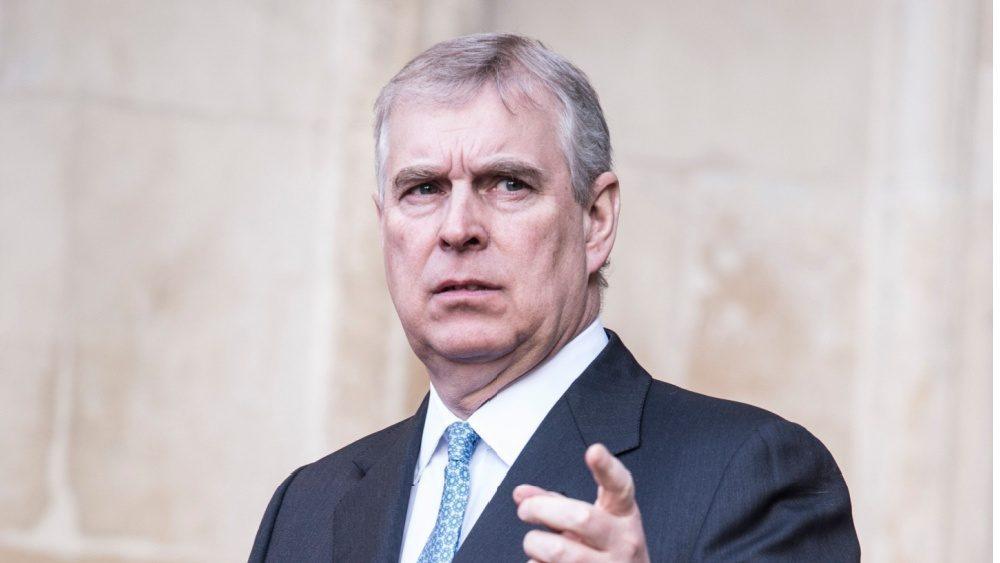
Arrest linked to Epstein files
Andrew Mountbatten‑Windsor was detained by Thames Valley Police on suspicion of misconduct in public office, according to multiple outlets.
Sources say officers questioned him for roughly 11–12 hours before releasing him under investigation while searches were carried out at properties linked to him.

Reporting ties the detention to material published by the U.S. Department of Justice and related 'Epstein files'.
Several sources cite emails and documents that reportedly include 2010 trip reports and an Afghanistan briefing that were allegedly shared with Jeffrey Epstein.
Media accounts also note a police statement and legal complexities, with some outlets stressing searches and seizure powers.
Other outlets emphasise that no sexual‑offence charges were made at this stage.
Political and institutional fallout
King Charles III and Buckingham Palace have been widely quoted urging cooperation with the police and saying 'the law must take its course.' Some ministers and MPs have suggested further steps, including legislation to remove Andrew from the line of succession.
“The government is reportedly considering legislation to remove him from the royal succession, a step Defence Minister Luke Pollard called appropriate.”
The BBC reports ministers are 'reportedly considering legislation to remove him from the royal succession,' and other outlets note cross-party interest in strengthening oversight and transparency. In the U.S., congressional figures and survivors' advocates have also reacted, with coverage ranging from calls for accountability to warnings about constitutional complexity across the Commonwealth if changes to succession were pursued.
UK trade envoy inquiry
Political and public attention helps explain why the Commons committee is focusing on governance of the envoy system rather than on immediate individual culpability. MPs say they want to understand how trade envoys were appointed, what access and briefings they received, and whether oversight failed. Sources note Andrew Mountbatten‑Windsor served as a UK trade envoy from 2001–2011, a decade in which he "courted presidents, ministers and chief executives and negotiated deals," raising questions about what safeguards existed to prevent improper sharing of official material.
Some outlets frame the inquiry as part of a broader security and corruption concern — The Atlantic argues coverage treats the story as both "a sex-abuse and corruption scandal," while legal analysts in NPR and PBS caution that proving "misconduct in public office" will require showing he acted as a public officer. The committee’s inquiry will therefore sit alongside criminal investigations as MPs weigh potential governance reforms.