Full Analysis Summary
Uganda election outcome
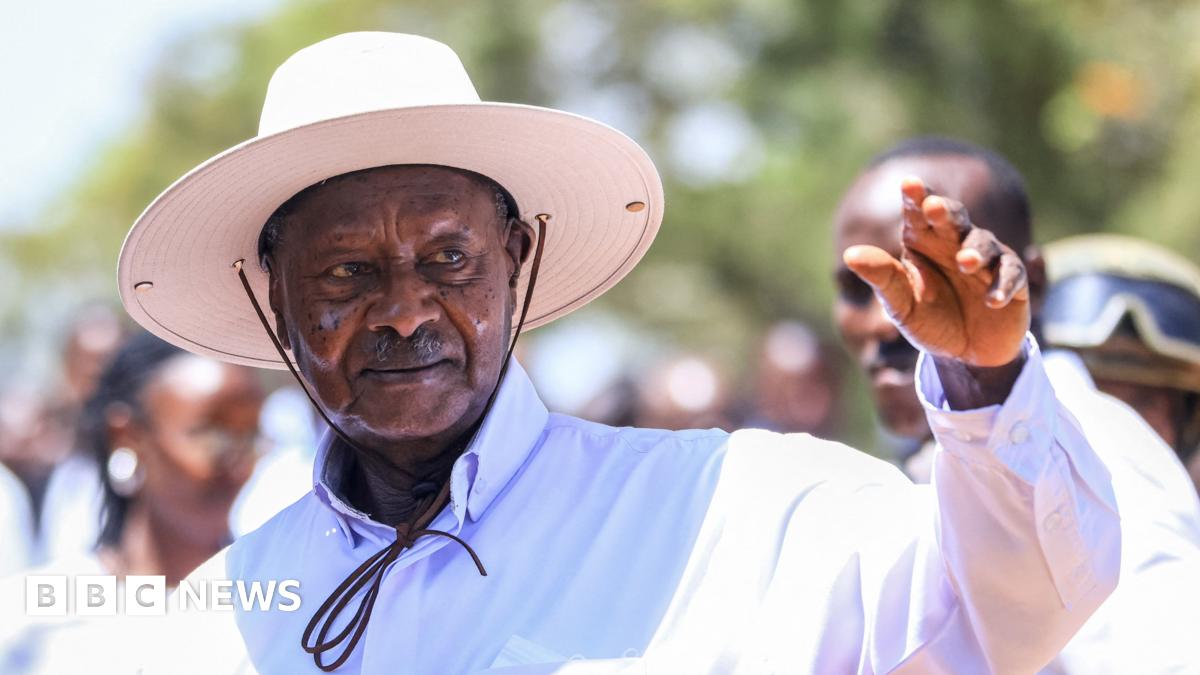
Ugandan President Yoweri Museveni has been declared the winner of Thursday's election by the election commission, extending his rule by another five years after gaining 72% of the vote.
His main challenger, former pop star Bobi Wine, received about 25% and has denounced the results as "fake".
Museveni, 81, first came to power as a rebel leader in 1986 and has now won seven elections, a continuity that extends his four decades in power.
The BBC reports these official figures and the immediate reactions from the leading challenger, establishing the basic contested outcome of the vote.
Coverage Differences
Contradiction within reporting (claims vs observers)
The BBC reports both Bobi Wine’s allegation that the result is “fake” and accuses officials of “ballot stuffing,” while also citing African Union observers as reporting they saw “no evidence of ballot stuffing.” This presents conflicting accounts within the same source between the challenger’s claims and the observers’ assessment; the BBC itself reports the claim (quotes Wine) and also reports the observers’ contrary statement (quotes AU observers).
Election violence reporting
The vote was marred by violence in the days around the election.
According to the BBC, Wine says at least 21 people have been killed in recent days; authorities have confirmed seven deaths.
The reporting therefore documents a gap between opposition claims about the scale of bloodshed and the official toll acknowledged by authorities, and it frames the election within a context of violent unrest.
Coverage Differences
Contradiction / Uncertainty
Within the BBC’s reporting there is a clear discrepancy between the casualty figures named by Bobi Wine (he says at least 21 killed) and the number authorities have confirmed (seven deaths). The BBC reports both figures without additional verification, leaving the true death toll unclear in the material provided.
Allegations of ballot stuffing
The reporting highlights the core allegation shaping opposition reaction: ballot-stuffing.
The BBC quotes Bobi Wine accusing officials of 'ballot stuffing,' but notes he 'gave no specifics' and that authorities 'have not responded'.
At the same time, the BBC reports African Union observers saying they saw 'no evidence of ballot stuffing,' which the article presents as a counterpoint to the opposition allegation rather than a definitive resolution.
Coverage Differences
Tone and evidentiary framing
The BBC frames the ballot-stuffing allegation by reporting the challenger’s accusation while simultaneously noting the absence of specifics and the AU observers’ contrary finding. This creates a balanced but inconclusive tone: the accusation is recorded, but its substantiation is left unresolved in the BBC’s coverage.
Museveni vote context
The BBC snippet highlights Museveni's long incumbency and the political dynamics shaping reactions to the vote.
It notes his 40-year rule, his origin as a rebel leader in 1986, and his seven election victories.
This background helps explain why opposition claims and allegations attract international attention and why questions of legitimacy are politically charged.
The BBC's framing focuses on official results and immediate claims but offers limited follow-up detail in the excerpt provided.
Coverage Differences
Missed information / narrow sourcing
The BBC supplies historical context about Museveni’s rule but in the provided excerpt does not include broader international reactions, detailed independent investigations, or responses from other observer missions. Because only the BBC excerpt is available for this task, a fuller comparison with other source types (for example West Asian or Western Alternative outlets) is not possible here; the absence of other sources prevents cross-source contrast.
Election aftermath and uncertainty
The immediate aftermath and outlook remain unclear in the BBC excerpt.
The opposition denounces the result as "fake", AU observers report no evidence of ballot-stuffing, and authorities have not publicly responded to Wine's allegations, according to the BBC.
Given the unresolved tensions and reported violence with conflicting casualty counts, the situation is ambiguous and further independent reporting or official clarification is needed to determine the credibility of the allegations and the election's long-term political consequences.
Coverage Differences
Ambiguity / conflicting claims
The BBC’s own reporting lays out conflicting claims — opposition allegations, AU observers’ assessment, and differing casualty figures — and does not resolve them in the excerpt provided. This produces ambiguity about legitimacy, the scale of violence, and the next steps; in short, the BBC reports the competing claims but does not provide conclusive evidence to adjudicate them.