Asia11 December, 20252 min read
Myanmar Military Bombs Mrauk-U Hospital, Massacres Dozens in Attack the UN Says May Be War Crime
This article is an automated aggregation of coverage from news outlets. Our editorials offer in-depth analysis curated by the NewsCord team.
Myanmar military airstrike struck Mrauk-U General Hospital in Rakhine, killing at least 31 people Attack wounded about 68 people and left the hospital gutted, with bodies seen outside

27 outlets told this the same way.
Outlets did split on Avalanche Strikes Himlung Himal Base Camp In Nepal, At Least 10 Missing →
Airstrike on Mrauk-U Hospital
On the evening of Dec. 10, a Myanmar military airstrike struck Mrauk-U General Hospital in western Rakhine state, leaving the facility gutted and dozens dead and wounded.
“At least 31 people, including women and children, were killed and about 68 wounded after a Myanmar military jet bombed the general hospital in Mrauk-U...”
Local rescue workers, witnesses and aid agencies reported sharply differing tolls as bodies were pulled from rubble and remaining patients evacuated.
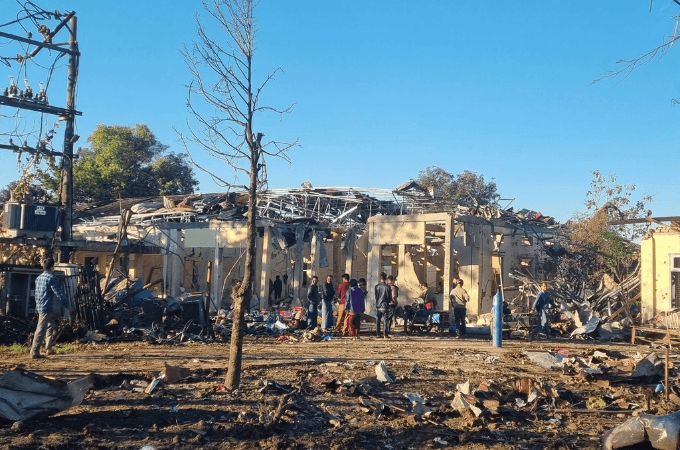
Counts range from at least 31 dead and about 68–70 wounded to reports of 33–34 dead and as many as 76–80 injured.
Multiple accounts describe bombs hitting wards and operating rooms, collapsing buildings and leaving shrouded bodies outside the hospital.
The attack came amid intensified fighting since the 2021 coup and a larger military offensive ahead of nationwide elections scheduled to start on Dec. 28.
Hospital strike eyewitness accounts
Multiple eyewitnesses and rescue officials described bombs striking the hospital at night. Several accounts say two bombs fell shortly after 9pm, creating a large crater, collapsing wards and setting fires that levelled key buildings.
Some reports specify the munitions as 500‑pound bombs dropped from a junta aircraft, while others give precise times (for example, 9:13pm) or describe operating theatres and recovery wards being hit. Photographs and eyewitness videos circulated by rescue teams and aid workers show extensive destruction, though a couple of outlets noted images could not be independently verified immediately.

Condemnation and humanitarian impact
The strike drew sharp international condemnation and raised legal and humanitarian alarms. UN rights chief Volker Türk said the bombing 'may amount to a war crime' and demanded an investigation, while UN spokespeople criticized the use of airborne munitions and noted a pattern of indiscriminate strikes on civilians since the 2021 coup. The attack sits within a documented surge of junta air operations and blockades that international agencies say have deepened hunger and disrupted health services across Rakhine and other regions.
“The UN rights chief Volker Türk condemned the strike, said it may amount to a war crime, and demanded an investigation...”
Reactions to hospital strike
Local reactions diverge: the Arakan Army (AA) condemned the bombing as a 'war crime' and said no fighters were present. The junta, according to Al Jazeera, acknowledged carrying out the strike and called it a counter-terrorism operation, saying armed groups were using the facility.
Aid groups, rescue workers and witnesses reject those claims, insisting patients and medical staff were among the dead and that the hospital provided emergency, obstetric and surgical care. Several outlets also noted accusations against the AA, reminding readers that it has been accused of abuses including against Rohingya communities.

Rakhine bombing aftermath
The bombing intensified fears of a wider humanitarian collapse in Rakhine. Local officials and international agencies warned that a junta blockade has already raised hunger and malnutrition. Health services are severely disrupted, and the strike further curtails emergency care.
“Photos showed a gutted hospital wing, rubble-strewn wards, a large crater and bodies laid outside as funerals began.”
Photographs of funerals and bodies outside the hospital underscore the human cost. Investigators and rights bodies have been urged to document the incident. Verification remains incomplete, and casualty figures may change as more information emerges.