Britain13 January, 20262 min read
Nadhim Zahawi Defects to Nigel Farage's Reform UK
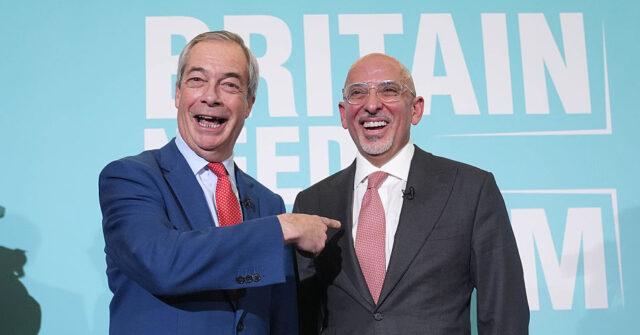
Nadhim Zahawi left the Conservative Party and joined Nigel Farage's Reform UK. Zahawi became the highest-profile former Conservative to defect to Reform UK.
40 outlets told this the same way.
Outlets did split on UK Police Charge Teddy Young With Spying For Foreign Power, Royal Navy Member →
Zahawi defects to Reform UK
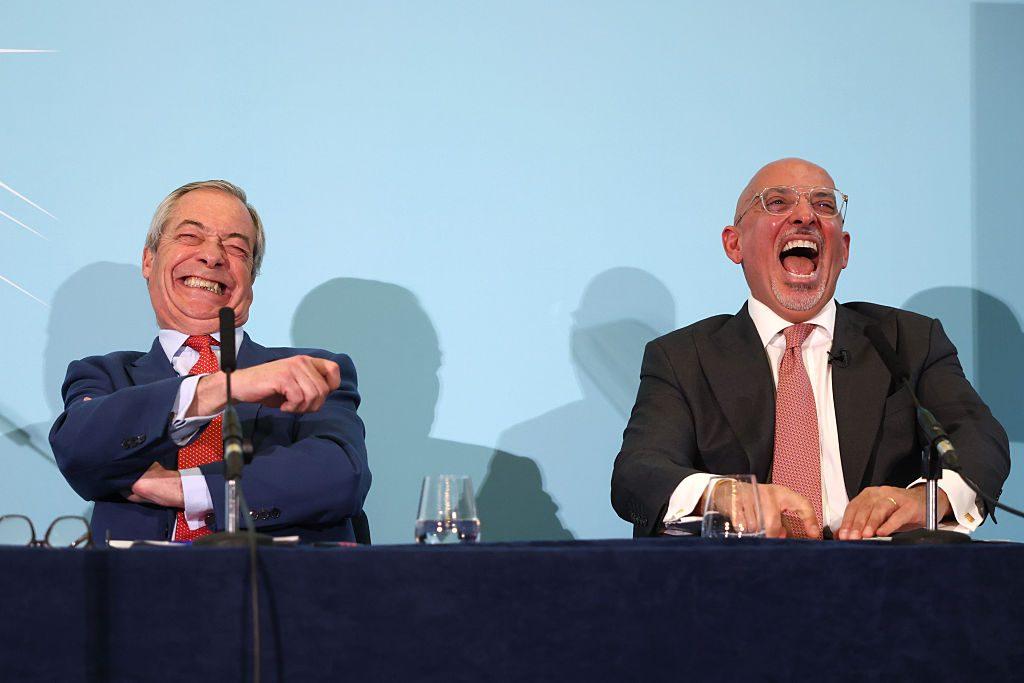
On Jan 12, 2026, former Conservative cabinet minister Nadhim Zahawi publicly defected to Nigel Farage’s Reform UK at a high-profile London press conference, framing the move as a response to what he described as a national emergency. At the event Zahawi used stark language, telling supporters that Britain was "drinking at the last chance saloon" and arguing that "the team that will deliver for this nation will be the team that Nigel will put together." He also said the country "really does need Nigel Farage as prime minister," and the announcement was widely carried across outlets as Reform’s most senior defection to date.
“Britain was ‘drinking at the last chance saloon’ and ‘really does need Nigel Farage as prime minister.’”
Zahawi political controversies
Zahawi’s political résumé and recent controversies were central to most reports. Outlets noted he ran the UK’s early COVID vaccine programme and briefly served as chancellor in 2022. He was sacked as Conservative party chair after an ethics review found he had failed to disclose an HMRC inquiry.
Several sources reported a large settlement with HMRC — described variously as 'paid nearly £5 million to HMRC,' 'paid almost £5m to settle his tax affairs,' or as having breached the ministerial code. They say he characterised the issue as a lack of specificity in declarations rather than deliberate concealment.
Responses to Zahawi defection
Reactions to the defection split along predictable partisan lines. Reform and sympathetic outlets and spokespeople hailed it as a boost, highlighting Zahawi's government experience and fundraising credentials.
“A close ally of Zahawi denied the peerage claim, calling it untrue and 'sad.'”
Conservative and some mainstream critics framed the move as opportunistic or as evidence that Reform is attracting 'has-been' or 'disgraced' figures. Several outlets also reported competing accounts about whether Zahawi had sought a peerage and been rebuffed, with some Tory sources saying he had repeatedly tried to secure one and Zahawi and Reform denying those claims.
Reaction to Zahawi's move
Observers and commentators differ over the political impact. Reform’s backers and some right-leaning outlets portray Zahawi’s arrival as evidence the party is preparing for government and can attract experienced figures, citing polling strength and local-election ambitions.
Critics argue the move may be driven by personal calculation and reinforces the view that Reform’s ranks are filling with former Conservative figures rather than fresh talent. Mainstream polling reports emphasise the party’s present popularity despite its limited parliamentary representation.