
NASA gives green light to Artemis II launch for April liftoff
Key Takeaways
- Artemis II targets April 1 launch with four astronauts aboard the Orion spacecraft.
- Flight readiness review completed; technical anomalies from February resolved to permit liftoff.
- First crewed lunar orbit mission in more than five decades.
Launch Announcement
NASA has officially announced the Artemis II mission launch date of April 1, 2026, marking humanity's first crewed trip to the Moon in over 50 years.
This announcement comes from NASA Associate Administrator Lori Glaze, who confirmed the schedule after comprehensive flight readiness reviews.
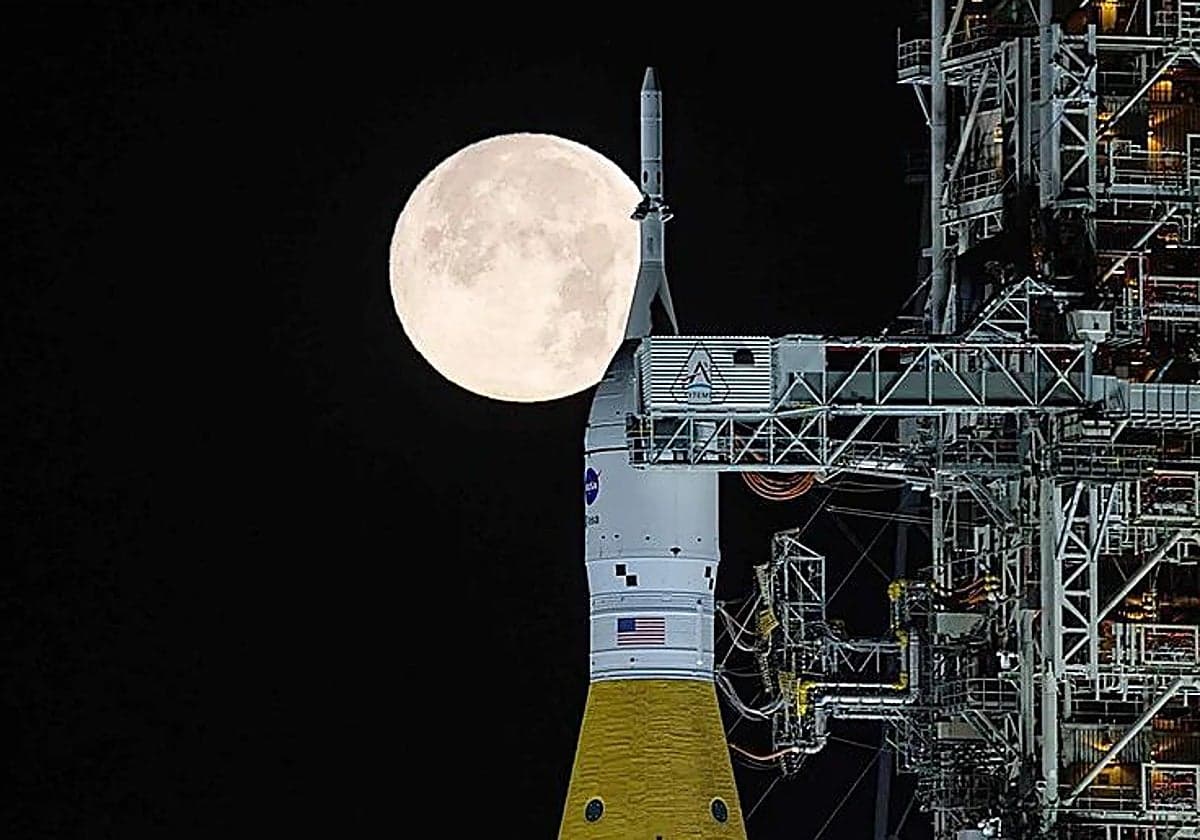
The mission represents a significant milestone in space exploration, as it will be the closest approach by humans to the Moon since the Apollo program ended in 1972.
The launch is scheduled for 6:24 p.m. EDT from Cape Canaveral Space Force Station in Florida, with backup windows available through April 6.
This historic mission follows years of delays and technical challenges, but NASA officials have expressed confidence in the current readiness status.
Technical Challenges
The Artemis II launch faced significant technical setbacks that necessitated postponement from its original February schedule.
According to NASA officials, the mission encountered several critical issues including helium supply problems and hydrogen leaks during fueling tests.
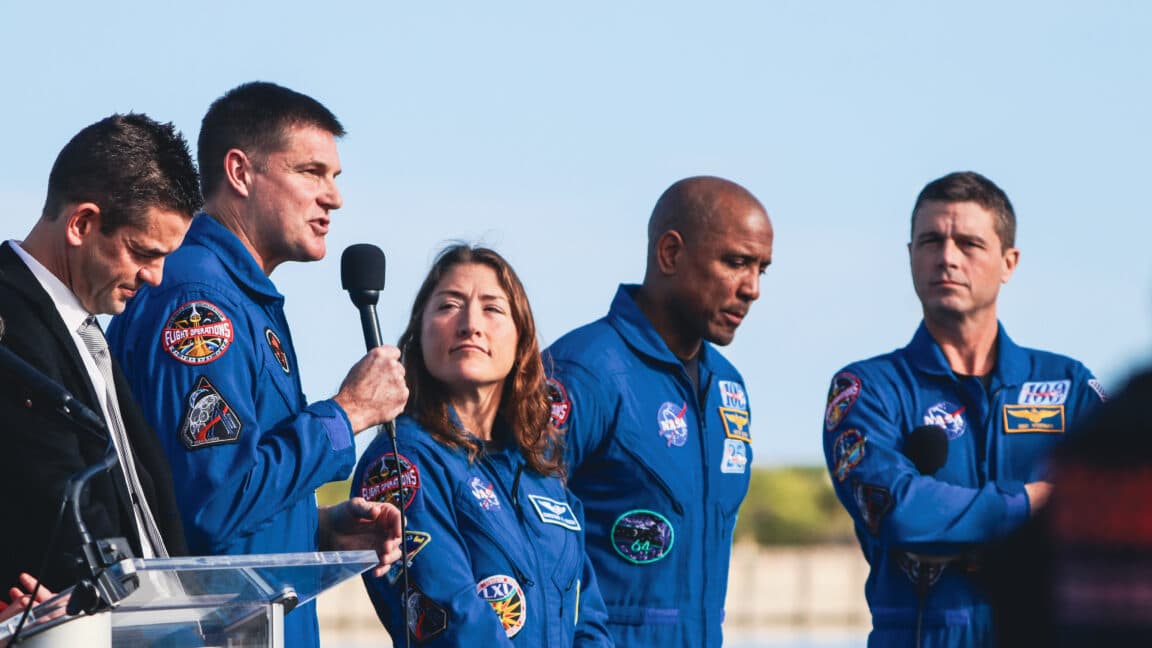
John Honeycutt, mission management team leader, explained that a seal in the quick-disconnect mechanism was causing obstructions in the fuel flow, requiring the rocket to be dismantled and repaired.
These problems forced the Space Launch System rocket to be returned to the Vehicle Assembly Building for extensive repairs.
Despite these challenges, NASA has confirmed that all technical anomalies have been resolved, and the rocket systems have passed final technical reviews, allowing the mission to proceed with the April 1 target date.
Mission Details
The Artemis II mission will carry four astronauts on a ten-day expedition around the Moon, representing a diverse crew with significant firsts in space exploration.
“NASA has announced that everything is ready to attempt the launch of the Artemis II mission on April 1, which would mark the first crewed trip to the Moon in more than half a century”
The crew consists of Reid Wiseman as commander, Victor Glover as pilot, Christina Koch as mission specialist, and Jeremy Hansen representing the Canadian Space Agency.
This mission marks several historic milestones: Glover will be the first African American astronaut to orbit the Moon, Koch will be the first woman to reach lunar orbit, and Hansen will be the first Canadian to participate in a lunar mission.
The astronauts will begin mandatory quarantine at NASA's facilities in Houston, Texas, on March 18, before traveling to the Kennedy Space Center in Florida on March 27 for final preparations.
Their flight path will take them within approximately 10,000 kilometers of the lunar surface before using the Moon's gravity to return to Earth.
Program Context
The Artemis program represents NASA's most ambitious lunar exploration initiative since the Apollo era, with broader implications for international space exploration and competition.
The program, named after the Greek goddess of the Moon, aims to establish a sustainable human presence on the Moon as a stepping stone for future Mars missions.
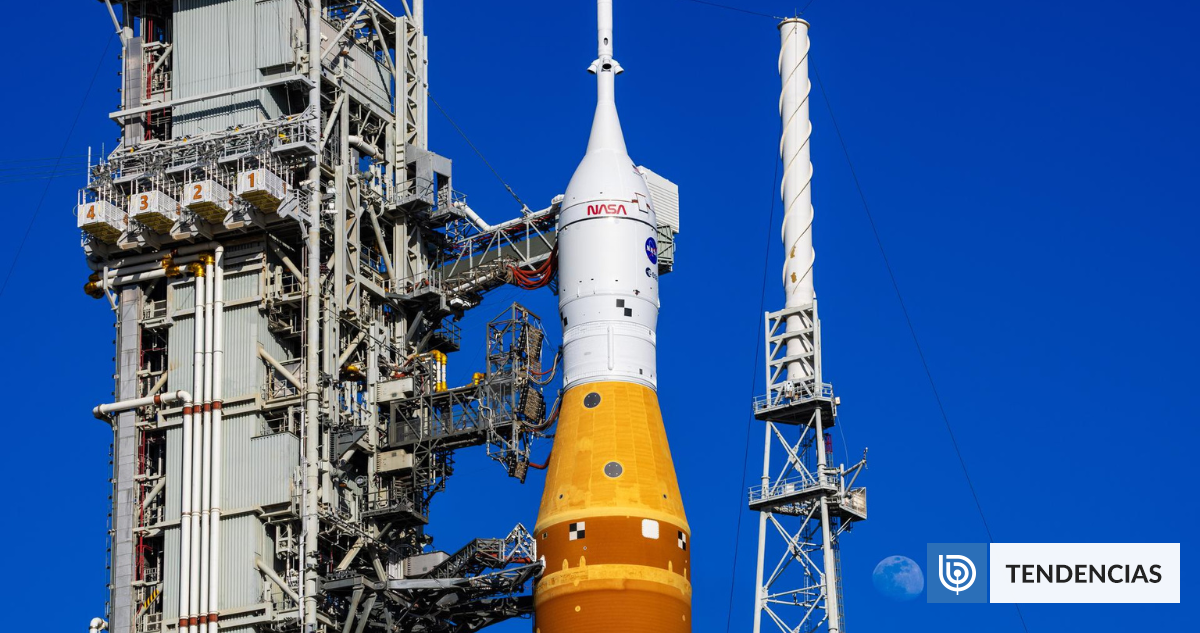
Artemis II serves as a critical test mission, evaluating the performance of the Orion spacecraft and life-support systems in deep space conditions.
This mission comes amid growing rivalry between the United States and China over lunar exploration, with China planning its first crewed lunar mission around 2030.
NASA's updated schedule has also shifted the timeline for the first lunar landing, now planned for no earlier than 2028 during Artemis IV, reflecting the complex technical and logistical challenges of returning humans to the Moon's surface.
More on Technology and Science
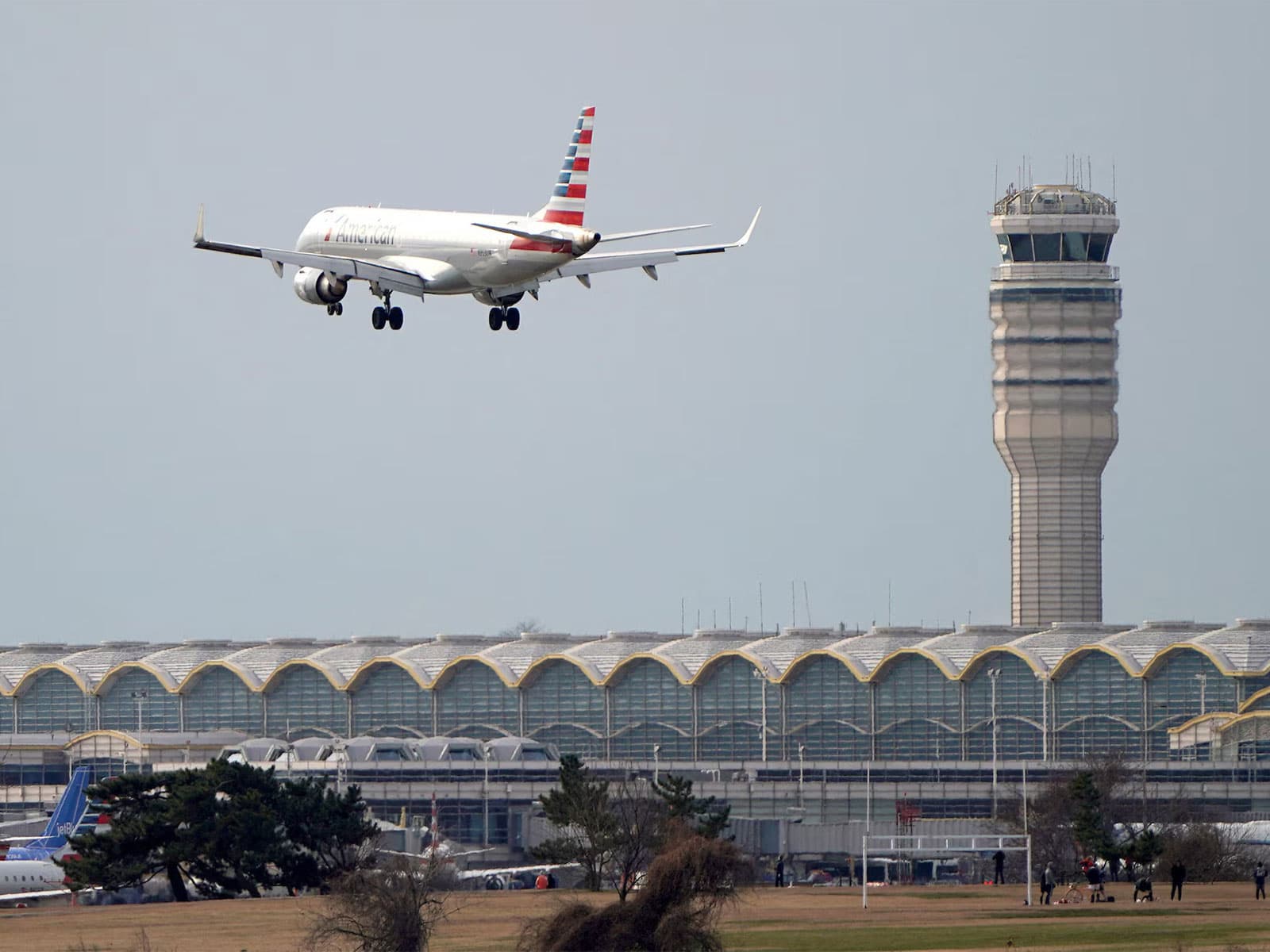
Chemical odor forces FAA to halt flights across DC-area airports
27 sources compared

Apple Cuts China App Store Commissions to 25% After Regulator Pressure
25 sources compared

FBI Investigates Hacker Who Uploaded Malware-Laced Games to Steam
12 sources compared

University of Cambridge Researchers Urge Tighter Regulation Of AI Talking Toys For Under-Fives
10 sources compared