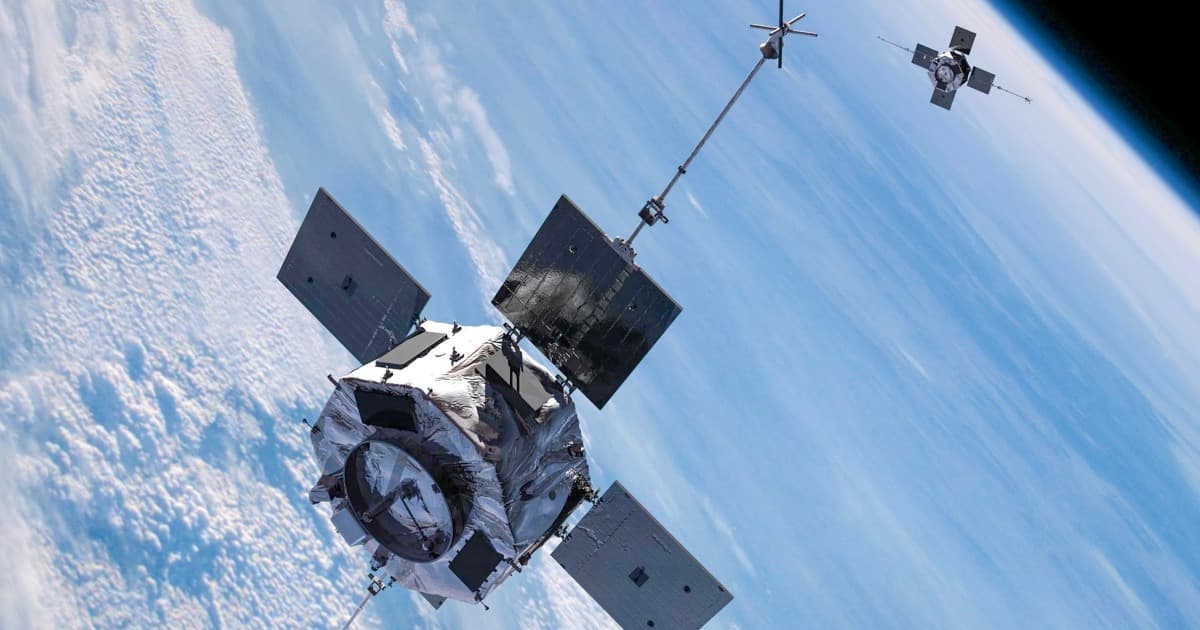
NASA's Van Allen Probe A Set to Plunge Back to Earth, U.S. Space Force Warns
Key Takeaways
- Van Allen Probe A launched about 14 years ago to study Earth's Van Allen radiation belts
- The 1,323-pound (600-kg) spacecraft is expected to reenter Earth's atmosphere
- Uncontrolled reentry poses a small risk that some satellite debris will reach Earth's surface
Uncontrolled re-entry warning
NASA and the U.S. Space Force warned that the Van Allen Probe A will make an uncontrolled re-entry into Earth’s atmosphere within a short window, with Space Force predictions placing the re-entry early in the week and NASA saying some components are expected to survive re-entry.
“A NASA satellite that spent more than a decade coursing through the Van Allen radiation belts encircling Earth is about to fall back into the atmosphere”
The agencies characterised the event as an uncontrolled descent and said they will continue to monitor and update timing predictions.
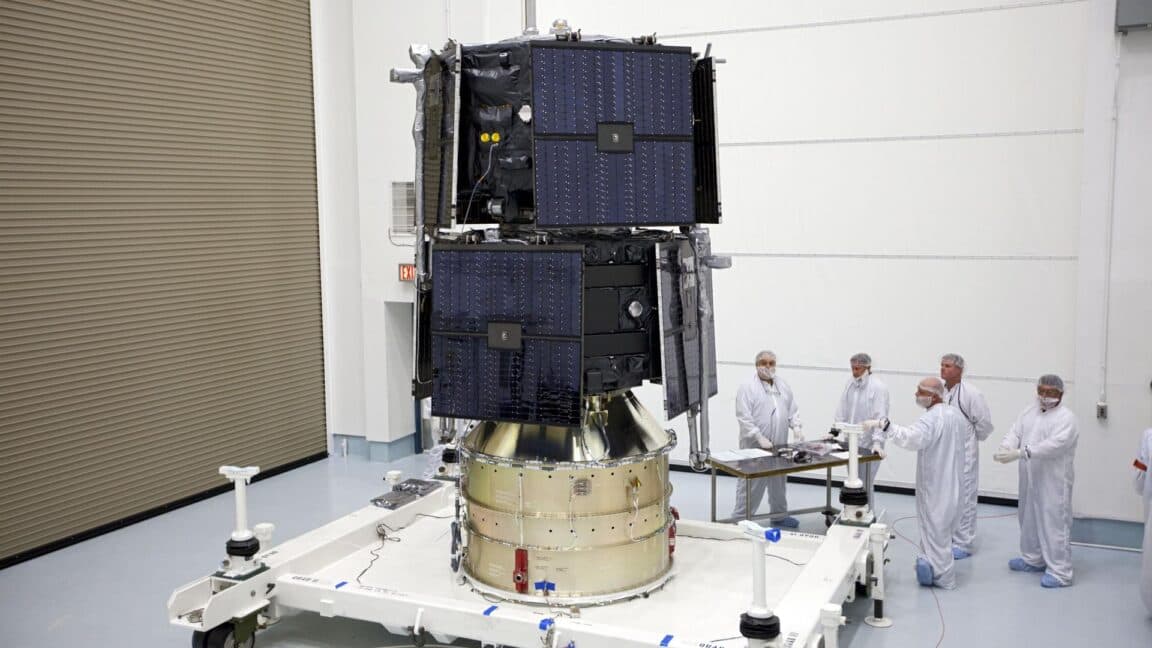
NASA also quantified the risk to people on the ground as low — about 1 in 4,200 — while preparing for updates as orbital decay continues.
Timing uncertainty explained
Predicting exactly when and where the probe will fall is challenging because atmospheric conditions affect orbital decay; the Space Force’s timing includes an uncertainty of plus or minus 24 hours.
Both outlets emphasise that upper-atmosphere density and space weather introduce variability, so the re-entry window is given with significant timing uncertainty and ongoing updates are expected as the orbit degrades.
Debris survival and risk
Most of the probe is expected to burn up on re-entry, but agencies note that some components could survive and reach the surface; such survivals are uncommon and usually harmless since most debris falls into oceans.
“A NASA satellite that spent more than a decade coursing through the Van Allen radiation belts encircling Earth is about to fall back into the atmosphere”
The NBC reporting referenced the European Space Agency’s note that out-of-service satellites and rocket parts re-enter regularly, and emphasised that Earth’s oceans — covering roughly 71% of the surface — make land impacts unlikely.
Mission context and monitoring
The Van Allen Probe A is one of a twin pair that launched years earlier; coverage notes the probe’s sibling, Probe B, and the original mission date, situating the vehicle in the broader Van Allen Probes programme.
Outlets treated the event as part of routine orbital decay of science satellites while underscoring the practical monitoring role of NASA and the Space Force during final re-entry phases.
More on Technology and Science
Chemical odor forces FAA to halt flights across DC-area airports
27 sources compared

Apple Cuts China App Store Commissions to 25% After Regulator Pressure
25 sources compared

FBI Investigates Hacker Who Uploaded Malware-Laced Games to Steam
12 sources compared

University of Cambridge Researchers Urge Tighter Regulation Of AI Talking Toys For Under-Fives
10 sources compared