USA12 December, 20253 min read
National Trust Sues Trump to Block $300M White House Ballroom, Stop His East Wing Demolition
The National Trust filed a federal lawsuit to halt Trump's 90,000 sq ft ballroom construction Plaintiffs allege Trump demolished the East Wing without required federal reviews or congressional approval

14 outlets told this the same way.
Outlets did split on Trump Interrupted by Protesters at San Antonio Rally for Ken Paxton →
Lawsuit over White House ballroom
The National Trust for Historic Preservation filed suit in federal court in Washington, D.C., on Dec. 12 to halt former President Trump’s planned new ballroom and to stop demolition tied to the project.
“The National Trust for Historic Preservation sued in federal court in Washington, D.C., on Dec. 12 to stop President Trump’s planned new ballroom on the White House grounds.”
The trust argues the administration unlawfully bypassed required historic-preservation and public-review processes.

The complaint names President Trump, the National Park Service and other administration officials, and it requests immediate injunctive relief while the legal questions are resolved.
Preservation advocates had urged a pause in October, and the Trust retained outside counsel previously associated with the Obama White House as it pushed to halt work.
The Trust’s CEO warned the proposal’s scale could "overwhelm" the White House’s classical design, while the White House has rejected the lawsuit’s claims.
Planned ballroom controversy
The Trust seeks to block a project described by outlets as a dramatically expanded plan for a roughly 90,000-square-foot, $300 million ballroom. The ballroom would be about twice the size of the White House residence and have an estimated capacity of roughly 1,000 people. Reporting notes the scope grew from a smaller October proposal and that demolition of an East Wing annex has already begun.
The White House says the buildout is privately funded and argues the plan complies with the law. Critics reply that private funding does not excuse bypassing required statutory reviews.

Trust lawsuit over expansion
The Trust’s complaint alleges a range of statutory and constitutional violations tied to the expansion and demolition process. The filings, as described by multiple outlets, claim the administration failed to submit plans to the National Capital Planning Commission, neglected required environmental assessments and public comment, and circumvented bodies such as the Commission of Fine Arts; the complaint also invokes the National Historic Preservation Act, the National Capital Planning Act and constitutional property-clause concerns. Legal reporting also notes claims under the Administrative Procedure Act and the National Environmental Policy Act in related coverage of the Trust’s legal theory.
“The National Trust for Historic Preservation sued, alleging President Trump’s White House ballroom construction violates the Administrative Procedure Act and the National Environmental Policy Act.”
White House preservation dispute
Responses and the political overlay differ across reports.
The Trump White House has rejected the Trust’s claims and said the project complies with the law.

Communications and partisan exchanges have emerged in coverage, and the White House communications director criticized the Trust’s leaders in partisan terms.
Some reporting centers on a Trump anecdote underscoring his asserted authority: an October donor-dinner remark in which an adviser told him 'Sir, this is the White House. You’re the president of the United States; you can do anything you want.'
Preservationists cite that anecdote as evidence the administration treated review requirements as discretionary.

Controversy over White House ballroom
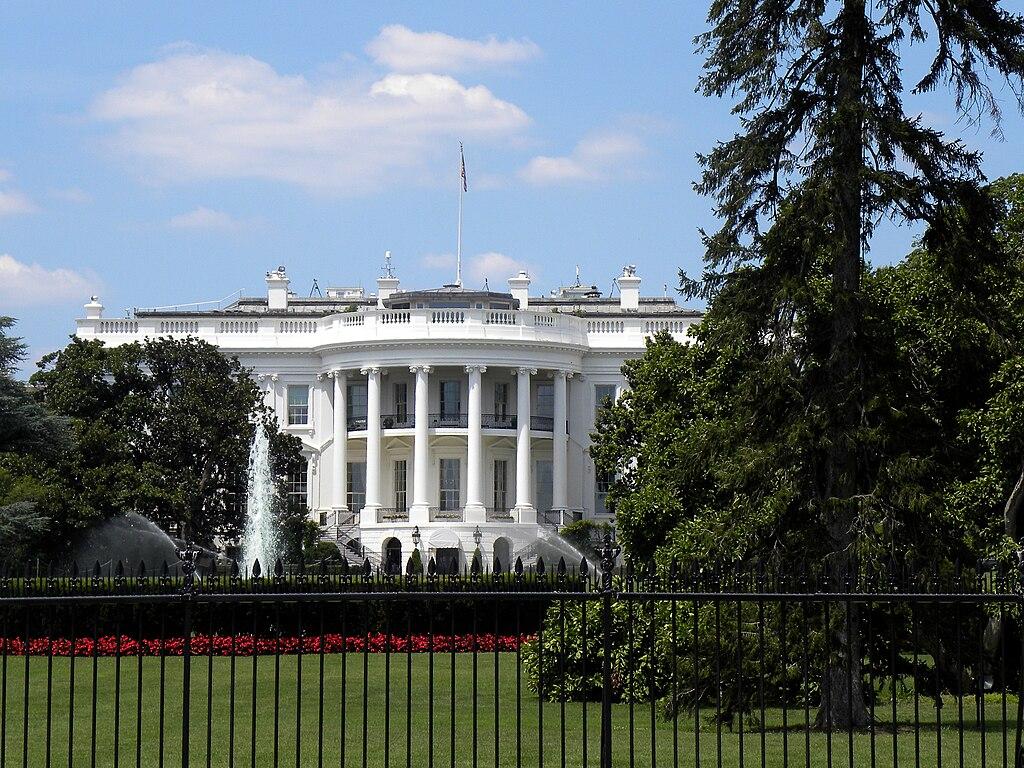
Preservationists and critics warn that the proposed ballroom and associated demolition would permanently alter 'perhaps the most recognizable and historically significant building in the country.' They also say the scale, nearly 1,000 people and a gilded aesthetic critics liken to Mar-a-Lago, would overwhelm the grounds. The lawsuit is framed as a test of presidential authority to alter White House grounds without statutory review.
“The Trust, whose president Carol Quillen called the White House 'one of the most significant symbols of American ideals,' had previously urged a pause via letters to federal agencies.”
The Trust says the suit is a last resort to preserve history. Legal outcomes will determine whether construction continues or whether reviews and public input are required before any further demolition or vertical work.