Russia01 December, 20253 min read
NATO Considers Preemptive Strikes on Russia Over Cyberattacks and Drone Intrusions
This article is an automated aggregation of coverage from news outlets. Our editorials offer in-depth analysis curated by the NewsCord team.
NATO military leaders propose first-strike military action to deter Russian hybrid warfare NATO plans to shift from reactive cyber responses to proactive offensive cyber operations
5 outlets told this the same way.
NATO posture reassessment
NATO officials and allied governments are publicly reevaluating the alliance's traditionally reactive posture after a string of hybrid incidents across Europe that officials and reporters largely attribute to Russia. Coverage highlights a range of disruptive events, from large-scale cyberattacks and severed undersea cables to sabotage, drone incursions and even fires, that have prompted calls for more proactive deterrence. Ukrainian National News frames the debate as a push by 'European officials ... to shift from reactive defense to more aggressive, proactive responses in cyberspace and hybrid warfare,' citing undersea cable cuts and continent-wide cyberattacks.
“European officials are urging NATO to shift from reactive defense to more aggressive, proactive responses in cyberspace and hybrid warfare, citing numerous incidents across Europe—many blamed on Russia—such as undersea cable cuts and continent‑wide cyberattacks.”
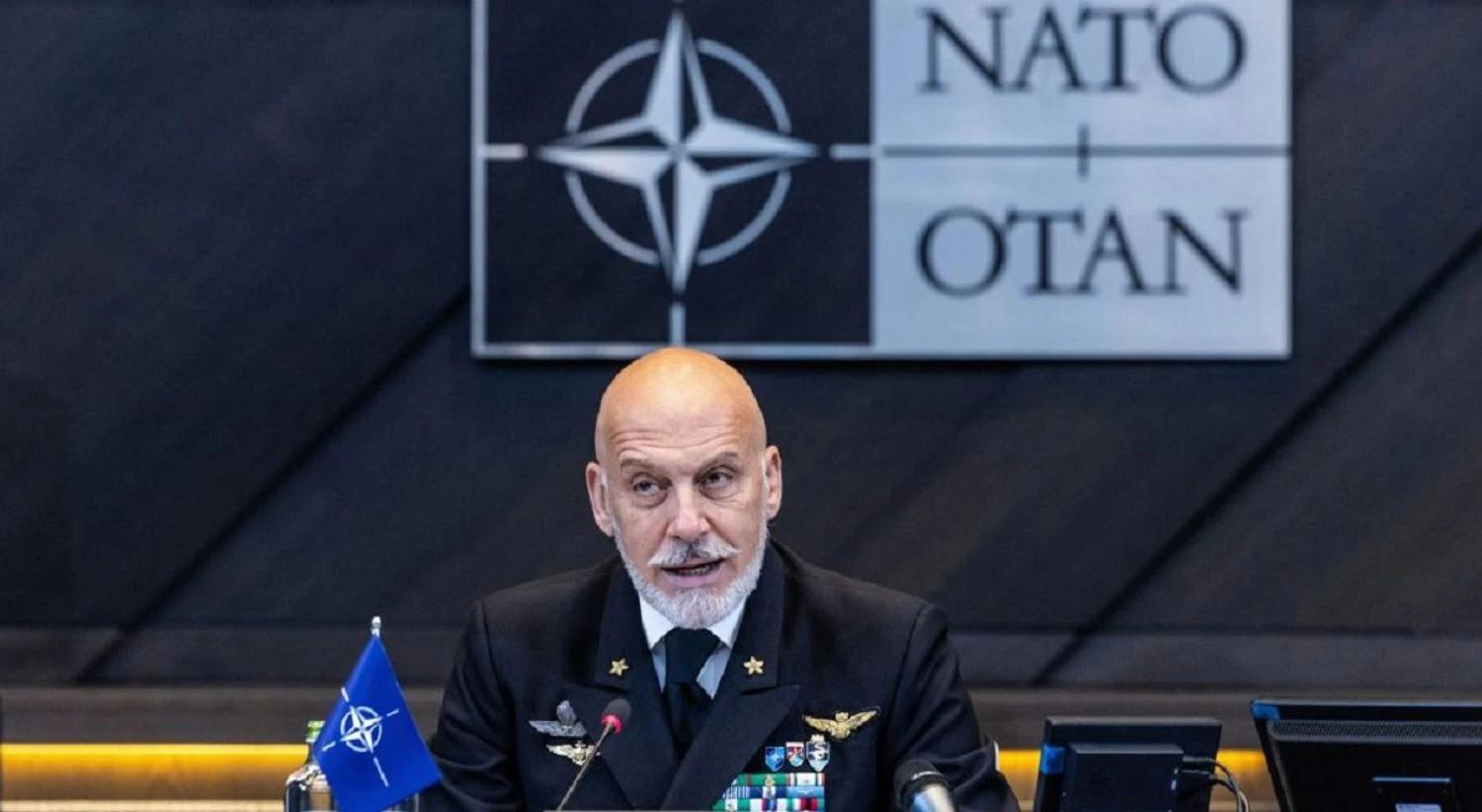
The Daily Mail reports that 'NATO's top military commander, Admiral Giuseppe Cavo Dragone, told the Financial Times the alliance is reassessing its largely reactive stance' and is 'considering more proactive — even pre-emptive — measures.' The Sun similarly reports that 'Nato is rethinking its traditionally reactive military posture' in response to a rise in 'hybrid' attacks.

NATO response options
Senior military and diplomatic figures, including Admiral Giuseppe Cavo Dragone, are reported to be weighing retaliatory cyber operations as the most actionable response. They acknowledge complex legal and jurisdictional limits that complicate physical or pre-emptive strikes. The Daily Mail quotes Dragone saying NATO is "studying everything" and notes he acknowledged legal and jurisdictional questions about who would carry out such operations.
The Sun likewise records Dragone saying retaliatory cyber operations would be the easiest to mount, though physical retaliation or pre-emptive strikes raise legal and jurisdictional questions and are not off the table. Українські Національні Новини reports analysts and officials, citing Dragone, urging deeper legal and jurisdictional analysis before shifting from deterrence options that range from retaliatory to preemptive strikes.
Eastern Europe urges NATO action
Across the sources, Eastern European allies are portrayed as particularly vocal advocates for tougher measures, arguing that passive responses invite further asymmetric attacks. Українські Національні Новини reports that Polish Prime Minister Donald Tusk pressed NATO for solidarity, arguing some members act from selfish interests. Bloomberg finds that NATO is intensifying preparations for a possible confrontation with Russia even as the U.S. reduces its military presence in Europe.
“Polish Prime Minister Donald Tusk pressed NATO for solidarity over selfish interests, and Bloomberg reports NATO is intensifying preparations for a possible confrontation with Russia even as the U.S. reduces its military presence in Europe.”
The Daily Mail highlights legal limits to action, noting that Finland could not prosecute a suspected Russian-linked 'shadow fleet' crew after an undersea cable attack in international waters. The Sun records that Eastern European members have pushed for a tougher approach while also quoting Russia’s ambassador to Belgium dismissing the idea of an imminent attack.
Debate over preemptive action
All sources underline the risk of escalation and note an unresolved legal framework around preemptive action. They differ in tone and in secondary context. The Daily Mail highlights immediate diplomatic pushback from Moscow, saying the comments were condemned as irresponsible and warning of escalation.
Українські Національні Новини warns analysts that a continued purely reactive policy invites further asymmetric attacks and calls for deeper legal analysis before altering deterrence posture. The Sun adds tabloid-style detail on specific incidents and notes separate U.S.–Ukraine diplomacy, reporting that high-level talks in Florida were described as productive.

It also reports that Senator Marco Rubio commented on Ukraine’s future. Collectively, the reporting shows a broad debate within NATO about whether to move toward proportional preemption, balanced against legal risk, jurisdictional hurdles and the danger of escalation.