
Netanyahu Faces Political Test As Iran Regime Change Hopes Fade Despite Israel Bombing Campaign
Key Takeaways
- Hopes for regime change in Iran have faded.
- Israeli leaders portray the bombing campaign as transforming the Middle East in Israel's favour.
- Netanyahu faces a domestic political test amid growing pressure to end the conflict.
Political test overview
Netanyahu faces a mounting domestic political test as hopes for driving regime change in Iran fade, even as Israeli leaders frame a sustained bombing campaign as having reshaped the region in Israel's favour.
“- Published There is a new and concerted effort from Israel's military and political leaders to frame the achievements of the Iran war as having changed the Middle East, even without the regime change in Tehran that Israel's prime minister has focused on”
One News Page reports that Israeli leaders are presenting the bombing campaign as having "transformed the Middle East in their favour" while acknowledging growing "pressure to end the conflict".
The BBC records senior figures urging humility about military limits, with one saying: "But we know our limitations, we're not a superpower, and we have to be humble in our decisions."
Iran internal strain
Reporting indicates signs of strain inside Iran's security services that some Israeli commentators had hoped might lead to internal pressure on Tehran, but analysts warn these signs are isolated and uncertain.
The BBC cites a defence correspondent in Yedioth Ahronoth saying unnamed military officials report "early signs of strain within Iran's security apparatus, including internal tensions within the Revolutionary Guard and isolated cases of desertion."
At the same time, the BBC records Netanyahu suggesting Israel could "withdraw and wait for Iran's internal pressures to take their course" after claiming Israel had created the conditions for regime change — a stance that creates both strategic options and political risk.
Political risks
Analysts warn that Netanyahu's grand promises risk backfiring politically if military action fails to produce decisive gains, because several active fronts remain unresolved.
“- Published There is a new and concerted effort from Israel's military and political leaders to frame the achievements of the Iran war as having changed the Middle East, even without the regime change in Tehran that Israel's prime minister has focused on”
The BBC quotes analyst Neri Zilber saying the danger is that "his grand pronouncements about 'total victory' against Iran's network of allies across the region are just empty bombastic statements."
The BBC also documents the persistent strength of adversaries on Israel's borders: "Hamas still controls roughly half of Gaza. Hezbollah is now putting up a much bigger fight than many people here had been led to believe."
Limits of military power
Many commentators frame Israel's remaining conflicts at home and on its borders as a reminder of the limits of pure military approaches and of the domestic political stakes for leaders promising decisive outcomes.
The BBC says Israel's "unresolved conflicts with Hamas and Hezbollah on its own borders are a sharp reminder of the limitations of military power," while quoting former security figures such as Amidror saying: "We want to be in a position from now on that no beasts can grow on our borders."
Together these observations feed into the argument that Netanyahu risks political fallout if military gains do not match his rhetoric.
More on Iran
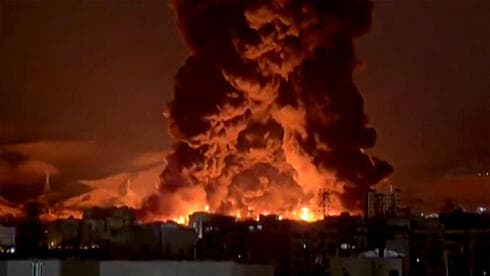
US obliterates military targets on Iran’s Kharg Island, Trump warns
13 sources compared

US Deploys About 2,500 Marines to Middle East After Iran Attacks Gulf Shipping
33 sources compared
FBI Warns of Iranian Drone Plot Based on Unverified Tip; California Says No Credible Threat
10 sources compared

White House Demands ABC Retract Report Claiming Iran Sought To Launch Drone Attacks On California
11 sources compared