Iran-Israel07 February, 20263 min read
Netanyahu Flies to Washington to Press Trump to Authorize Strikes on Iran
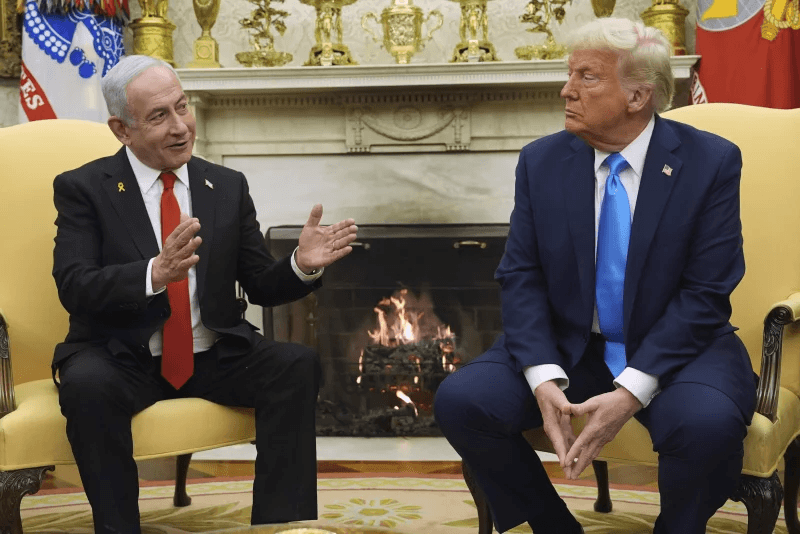
Benjamin Netanyahu will meet President Trump in Washington to discuss U.S.–Iran negotiations. Netanyahu pressed inclusion of ballistic‑missile limits and an end to Iran's support for militant proxies.
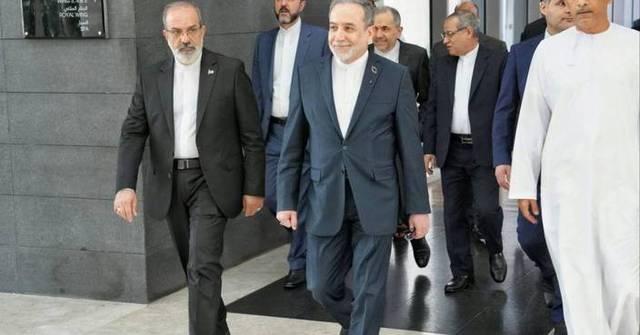
34 outlets told this the same way.
Outlets did split on U.S. Intercepts Iran Message Activating Sleeper Cells After U.S.-Israel Strike Kills Khamenei →
Netanyahu pushes wider Iran deal
Israeli Prime Minister Benjamin Netanyahu made a short-notice trip to Washington to press President Donald Trump as U.S. envoys resumed indirect talks with Iran. He insisted any agreement must go beyond nuclear limits to include curbs on ballistic missiles and Tehran’s support for regional proxy groups. Israeli and regional reports describe the visit as urgent pressure to prevent a narrow, nuclear-only deal.
“Netanyahu wants either U.S. military action while American forces are concentrated in the Gulf or a comprehensive agreement that goes beyond nuclear limits to curtail Iran’s missile program, proxy networks and regional behavior.”
IsraelHayom reports Netanyahu sought either U.S. military action while American forces were concentrated in the Gulf or a comprehensive agreement to curtail Iran’s missile program, proxy networks and regional behavior. Al Jazeera reports he wants limits on ballistic missiles and an end to support for groups like Hamas and Hezbollah. The diplomatic push follows U.S.-Iran contacts in Oman that President Trump called very good, even as some U.S. officials signal they might accept talks limited to nuclear issues, a possibility Israeli officials warn would leave missile and proxy threats intact.

Israel-US talks on Iran
Several Western and Israeli outlets say the meeting also centered on the possibility of authorizing strikes or otherwise using military force if diplomacy fails. The Jewish Telegraphic Agency reports Netanyahu moved up the visit to press Israel's interests in ongoing negotiations and to discuss possible military action if President Trump deems it necessary.
Summaries from the Institute for the Study of War note Israeli officials portray Iran's missile program as an existential threat and say Israel is prepared to strike unilaterally if a red line is crossed. The Boston Globe and Gulf News, among others, place the outreach in the context of recent kinetic escalation, reporting that earlier strikes on Iranian nuclear sites and Iran's missile responses produced a 12-day conflict and heightened calls in Jerusalem for stronger measures.

Iran's stance on nuclear talks
Tehran's side pushed back sharply, insisting negotiations remain focused on the nuclear file and rejecting missile limits as non-negotiable. Al Jazeera quoted Iranian officials calling missile limits non-negotiable. Gulf News reported deputy foreign minister Abbas Araghchi called enrichment an inalienable right.
“Iranian officials, including Foreign Minister Abbas Araghchi and President Masoud Pezeshkian, say negotiations should stay focused on the nuclear issue, insist missile limits are ‘non‑negotiable,’ invoke Iran’s rights under the NPT, and express a preference for dialogue.”
Araghchi warned Tehran would strike US bases if the US attacked Iranian territory. Several outlets reported warnings about targeting regional supply centers, and state media covered test-launches such as the Khorramshahr-4, underlining Tehran's refusal to trade missiles or proxy influence for a nuclear agreement.
Media framing of Netanyahu trip
Coverage tone and framing vary sharply by outlet type. Israeli and some Western mainstream outlets portray Netanyahu’s trip as an urgent national-security mission, with Die Welt saying Israel regards Iran’s nuclear and missile programs as its "greatest existential threat" and The Boston Globe reporting Israeli calls for sweeping measures including possible regime change. By contrast, Haaretz and several other outlets emphasize the diplomatic track, noting that the U.S. and Iran "say they are in talks" and that the trip was reported as a gesture of gratitude by a U.S. official.
Other reports (WCIV, Euronews) underline the procedural nature of resumed talks. These differences reflect editorial priorities and national perspectives: Israeli and pro-Israel outlets foreground security exigency, West Asian sources show Iranian red lines, and some Western outlets balance both diplomacy and military signaling.
Regional military and diplomacy update
Reporting of the broader regional picture includes military signaling, exercises, and security incidents.
“US Central Command confirmed a show of US military presence in the region as Washington’s top negotiators met with Iranian officials in Oman and said talks would resume next week.”
Several outlets note a U.S. naval build-up, with Gulf News reporting deployment of the USS Abraham Lincoln and U.S. Central Command confirming a show of military presence.
Analysts flagged warnings from IRGC-affiliated media about targeting regional supply centers, while ISW documented arrests of militants and reports of missile tests.
Taken together, these developments create a pressurized environment in which Netanyahu’s outreach in Washington seeks either U.S. backing for tougher measures or explicit authorization for strikes.
Reporting also shows Iran publicly rejecting concessions on missiles, making a combined diplomacy-and-military-pressure outcome contested and uncertain.
