
Netanyahu hopes destroying Iranian ‘axis of evil’ will rehabilitate his image
Key Takeaways
- Iranian missiles killed at least 15 Israelis and wounded 200 near a southern nuclear facility.
- Overwhelming majority of Jewish Israelis back starting a new conflict.
- Netanyahu seeks to rehabilitate his image by destroying Iran's axis of evil.
Netanyahu aims and support
Over three weeks of war, Iranian missiles have killed at least 15 people inside Israel, and injured many more, including about 200 in overnight strikes near a nuclear facility in the country’s south, but they have not touched public support for the war.
“Over three weeks of war, Iranian missiles have killed at least 15 people inside Israel, and injured many more, including about 200 in overnight strikes near a nuclear facility in the country’s south, but they have not touched public support for the war”
An overwhelming majority of Jewish Israelis back the decision to start a new conflict, with the Israel Democracy Institute putting support at more than 90% in two wartime polls.
Undaunted by the regular wail of air raid sirens, shuttered schools, cancelled flights or warnings the campaign could last weeks, more than half also wanted the US and Israel to keep bombing Iran until its government falls.
Opposition politicians set aside campaigning for parliamentary elections due this autumn, backing the decision to attack Iran in an almost unanimous display of national unity.
Enthusiasm for the war sparked speculation inside Israel that the prime minister, Benjamin Netanyahu, might dissolve parliament early to capitalise on securing US backing for the conflict, and the assassination of Iran’s supreme leader Ayatollah Ali Khamenei.
This year’s vote will be the first chance for Israelis to have a direct say on their government since the Hamas-led attacks on 7 October 2023.
Netanyahu astonished political enemies and allies alike by hanging on to power after the bloodiest day in Israel’s history.
He resisted taking personal responsibility for security failures that day, even as almost every other senior political, military and intelligence figure in office on that day apologised and stepped down.
But even as he held a fractious coalition together, opinion polls showed that for most of the past two years, support stuck stubbornly below levels that would return him to power.
Many Israelis believe that he saw toppling the Iranian regime, or pummelling its military capacities, as his best chance of persuading voters to reconsider his legacy – even though last year’s 12-day war on Iran had only a negligible impact on support.
That consensus prompted questions about Netanyahu’s intentions soon after the first bombs fell on Tehran.
Commentators struggled to determine whether the war served a security need or political calculations.
That scepticism was not shared by most Israelis, however. When Netanyahu told the country he had attacked Iran to remove an existential threat, most people believed him, even if they didn’t change their voting plans, according to a public opinion researcher.
One data point cited was that in June 2025 close to two thirds of Israelis believed he had taken action for genuine security reasons.
That makes a difference given that in the wake of the 7 October attacks many believed he was taking major strategic decisions regarding the Gaza war for political reasons.
Political challenges to the war inside Israel have mostly come from Palestinian citizens of the country or outsiders such as Jonathan Shamriz, a first time candidate.
Shamriz’s brother was taken hostage on 7 October 2023, and later shot by Israeli forces in Gaza. He entered politics after founding a grassroots movement for families bereaved in the Hamas-led attacks.
Bottom line there isn’t an opposition, according to Shamriz, and he questioned when the war would end and why it started.
Israeli triumphalism provides a stark contrast with outside views of the war, where reports focus on fears of regional escalation and economic strain in the Gulf.
Domestic political dynamics
Across the Atlantic, coverage emphasizes that the war has intensified debates about the region and highlighted internal Israeli political dynamics, including voices questioning Netanyahu’s motives and the lack of a clear opposition.
The article notes that comments in Israeli media and opinions among researchers indicate mixed interpretations of why the conflict is being pursued.
It describes how the war has been framed as potentially restoring public support for Netanyahu, while also underscoring that some analysts believe the action reflects political calculus as much as security needs.
It references individuals like Dahlia Scheindlin, who suggests that a significant portion of the public perceives security as the primary driver, with data points from 2025.
It also points to Shamriz, a first-time candidate whose brother was hostage and who frames his political entry as a response to bereaved families, illustrating how personal tragedy intersects with political protest.
The piece underscores that domestic political dynamics are complicated by the absence of a traditional opposition and by ongoing concerns about the war’s goals and duration.
It notes that outside observers view Israeli triumphalism versus international critique, particularly in relation to regional instability and economic concerns in the Gulf region.
International and regional implications
The article also maps the international dimension, focusing on the United States as a critical ally whose support could be tested by the war and its broader regional implications.
“Over three weeks of war, Iranian missiles have killed at least 15 people inside Israel, and injured many more, including about 200 in overnight strikes near a nuclear facility in the country’s south, but they have not touched public support for the war”
It describes how a US public mood that is skeptical of foreign interventions complicates Washington’s posture toward Israel’s strikes on Iran.
It highlights that a prominent US figure who criticized the war argued that it was driven by pressure from Israel and its American lobby, signaling potential shifts in bipartisan support for Israel.
It notes that some officials warn that continuing strain on the US-Israel relationship could hurt Israel’s long-term strategic position if the alliance weakens.
It covers how consumer and energy-market concerns in the United States feed into the domestic debate about the war and the risk of a sizable political backlash.
It mentions that Donald Trump’s stance has evolved toward threatening a more expansive intervention, while polls show that a large portion of Americans, across party lines, oppose what they see as a war of choice.
It reports that Trump is planned to visit Israel in May to collect the Israel prize, which could become a platform to showcase ties if the war ends before then.
It also notes the internal Israeli debate over a national commission to investigate the 7 October attacks and the impact of Netanyahu’s corruption case, including the possibility of a pre-emptive pardon with Trump’s backing.
The piece cites quotes from Israeli lawmakers and journalists criticizing Netanyahu’s potential personal leverage from national sacrifice, and it records concerns that the prime minister cannot be trusted to separate national security from political survival.
It references public figures who argue that the war has not delivered the hoped-for political boost and that trust in the government has not strengthened, with some analysts warning that the war could reorder the Middle East and leave Israel more isolated if the US backing wanes.
It notes that scholars, rights groups and a UN commission say the Gaza war meets the definition of genocide, framing this as a global challenge to Israel’s standing and its diplomatic relationships, including with the United States.
More on Iran

President Trump Says Iran Deal Within Reach Amid Talks With Senior Iranian Official
10 sources compared

Trump Approves Iran Operation After Netanyahu Presses for Joint Strike on Khamenei
12 sources compared

President Donald Trump orders ICE officers deployed to airports amid DHS shutdown.
227 sources compared
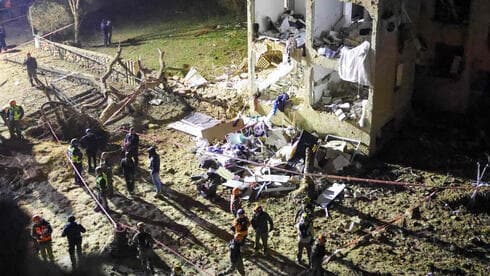
Iranian Missiles Strike Israel; Officials Report 180 Injured Amid Conflicting Casualty Figures.
12 sources compared