Netanyahu Orders Troops To Keep Freedom Of Action In Lebanon After Ceasefire Holds
Key Takeaways
- Ceasefire largely holds in south Lebanon, with a fragile calm and cautious returns.
- Israel continues strikes in southern Lebanon despite the ceasefire, raising tensions.
- Hezbollah rejects any ceasefire that grants Israel freedom of action in Lebanon.
Ceasefire holds, fears persist
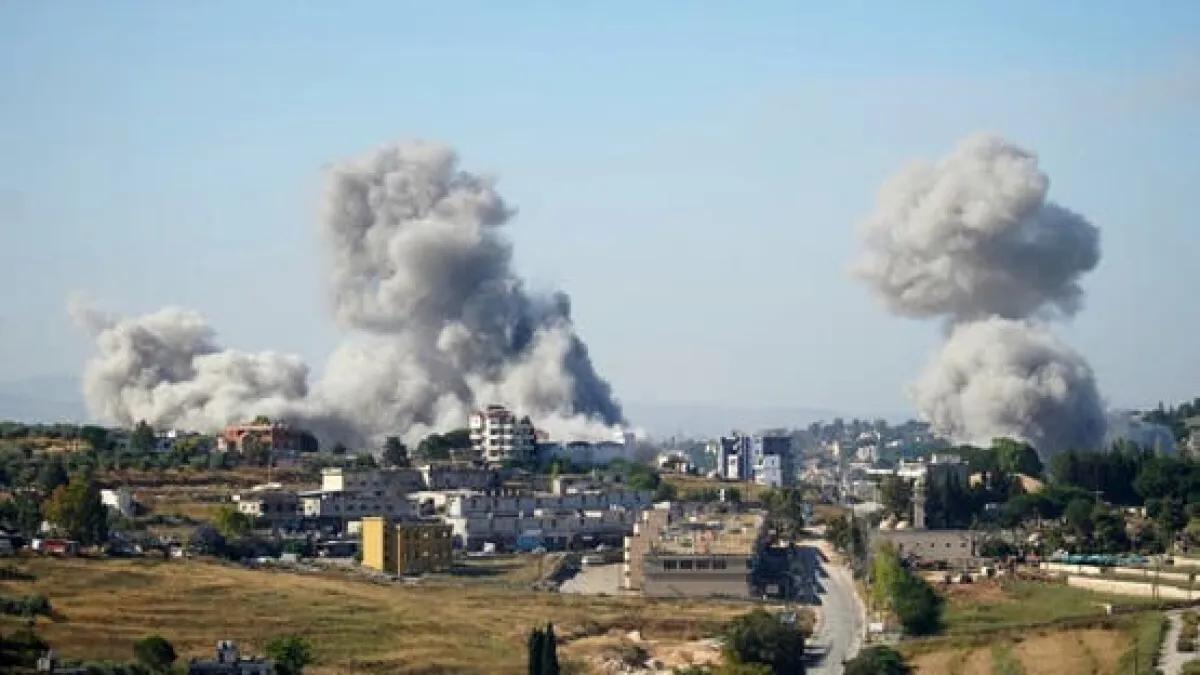
A ceasefire largely held in Lebanon on Monday as the country saw the longest lull yet in three months of war between Hezbollah and Israel, but a senior Lebanese security official said adherence was “almost total” since Saturday evening while an Israeli tank fired shells towards a village near Tyre and Israeli forces fired sound grenades in two other locations on Monday.
U.S. Vice President JD Vance said on Monday that progress had been made towards ending hostilities in Lebanon and that the Strait was open, while Hassan Wazni, director of a hospital in Nabatieh, told Reuters by phone, “I’m monitoring the situation day by day, and most of the time I’m sleeping in the hospital.”

Wazni said the ceasefire declared on Friday quickly collapsed, with 20 people in Lebanon killed by Israeli attacks on Saturday, according to Lebanon’s civil defense, and he added, “People are still uneasy.”
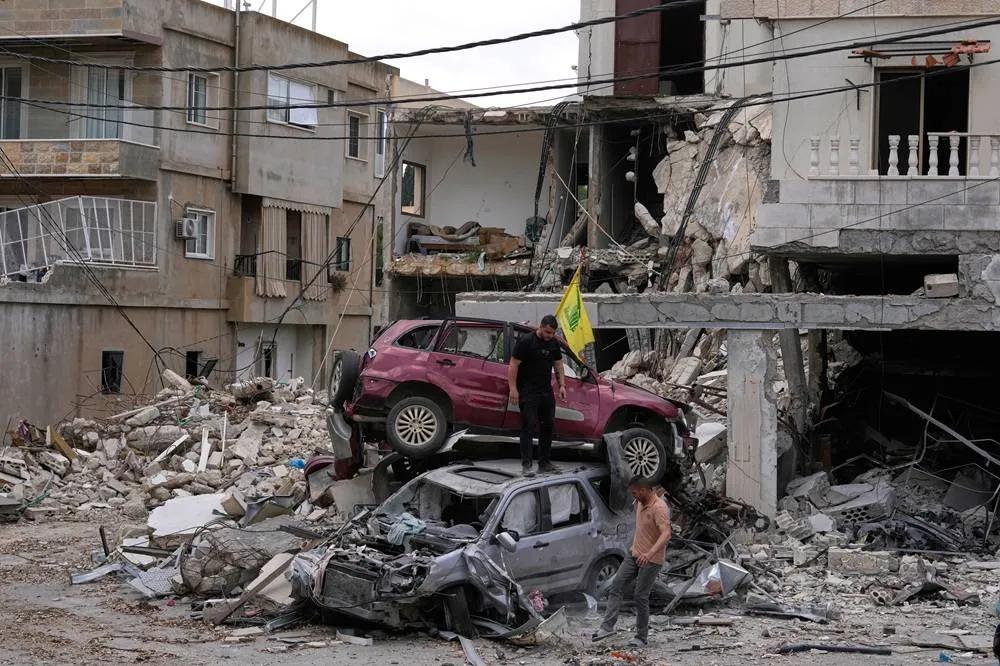
The municipal council of the village of Zawtar al-Sharqiyeh warned residents against returning until safe to do so, and Israeli forces remained deployed deep inside southern Lebanon in a self-declared security zone where they were razing villages, with Hezbollah embedded in civilian areas.
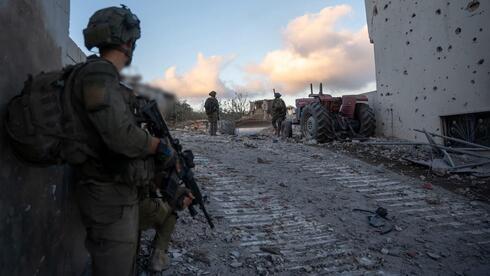
Israeli Prime Minister Benjamin Netanyahu said on Monday that troops had full freedom of action to thwart any Hezbollah direct or emerging threat and would remain in Lebanon for “as long as is necessary,” while the Israeli military lifted safety restrictions in eight communities near the Lebanese border beginning at 6 a.m. (0300 GMT) on Monday.
Hormuz dispute and talks
The ceasefire’s fragility played out alongside a dispute over the Strait of Hormuz, with Iran saying it shut the waterway over truce violations while the U.S. said it remained open.
CBC reported that Tehran’s Islamic Revolutionary Guard Corps (IRGC) declared the Strait of Hormuz shut, warning ships would be at risk if they approached the waterway, while U.S. Central Command said 55 merchant ships had transited the strait on Saturday and that U.S. forces would ensure the flow continued.

In the same reporting, CBC said Iran cited what it called Israeli “crimes” in Lebanon and a U.S. violation of commitments to establish a ceasefire, and it quoted Vance telling reporters before boarding a plane, “I think we’re going to hopefully make progress on the nuclear issue, make progress on the Lebanon ceasefire issue.”
Al Jazeera framed the Lebanon front as central to the Iran-U.S. memorandum of understanding, quoting the interim agreement signed on Wednesday that it declared “the immediate and permanent termination of military operations on all fronts, including Lebanon,” between the two countries and their allies.
Al Jazeera also said Israel appeared to either have not received the memo or to be deliberately ignoring it, with Israeli attacks on Lebanon continuing after the MoU’s signing and bringing the death toll since March 2 to more than 4,000.
What comes next
As the ceasefire largely held, the sources described competing demands about what must change for hostilities to end, with Lebanon’s President Joseph Aoun discussing efforts to maintain a ceasefire and halt Israeli military escalation during a phone call with Vance, Qatari Prime Minister Sheikh Mohammed bin Abdulrahman al-Thani, and White House envoy Jared Kushner.
The Reuters account said a joint statement issued at the end of US-Iranian talks mediated by Pakistan and Qatar in Switzerland agreed to create “a de-confliction cell” to ensure adherence to the termination of hostilities in Lebanon, while Israel had yet to issue any comment on this.
In parallel, Al Jazeera reported that Hezbollah and Lebanon’s government both demanded a full Israeli withdrawal from Lebanese territory, while Hezbollah said that should come by linking Lebanon to the Iran negotiations and the Lebanese government preferred direct talks with Israel.
The stakes were measured in the sources’ casualty and displacement figures, with Reuters citing that since Hezbollah opened fire in support of Iran on March 2, Israeli attacks in Lebanon have killed 4,106 people including 773 women, children and health care workers, and forced some 1.2 million people from their homes.
Reuters also said direct damage to buildings in south Lebanon in the latest war was estimated at around $1.38 billion, with UNDP and Lebanon’s government-linked National Council for Scientific Research (CNRS) reporting that “11,095 buildings were completely destroyed” and that 17,891 housing units were impacted.
More on Lebanon

Netanyahu Vows IDF Freedom Of Action In Southern Lebanon After US Ends Unrestricted Authorization
13 sources compared
Israel Katz Says IDF Has No Restrictions in Lebanon After Ceasefire With Hezbollah
11 sources compared
Trump Secures Hezbollah Pledge to Stop Attacks on Israel, Netanyahu Says Productive Call
10 sources compared

Ahmad Al-Sharaa Denies Syria Will Intervene Militarily in Lebanon Against Hezbollah
13 sources compared