Lebanon · 22 June, 2026 · 3 min read
Israel Katz Says IDF Has No Restrictions in Lebanon After Ceasefire With Hezbollah
Israeli Defense Minister Katz says IDF has no restrictions in Lebanon IDF will remain in southern Lebanon's security zone with full freedom of action
How restrictive IDF rules are in Lebanon.
10 of 11 outlets skipped it: haaretz says Israel lifted all northern restrictions Monday..
ynetglobal was read line by line by the Watchdog: 4.7. See the score →
11outlets compared
Same story, two versions
tap a side to read it in full
The Hill
““The directive… has not changed: our forces… have full freedom of action””Read the original ↗
Conflicting narratives suggest either political branding or operational constraint.
Security zone, no limits
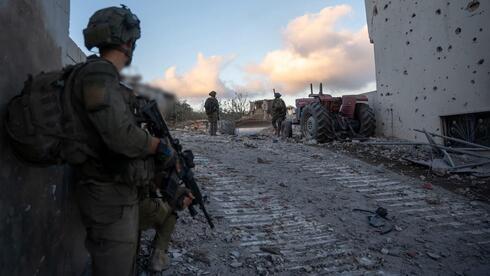
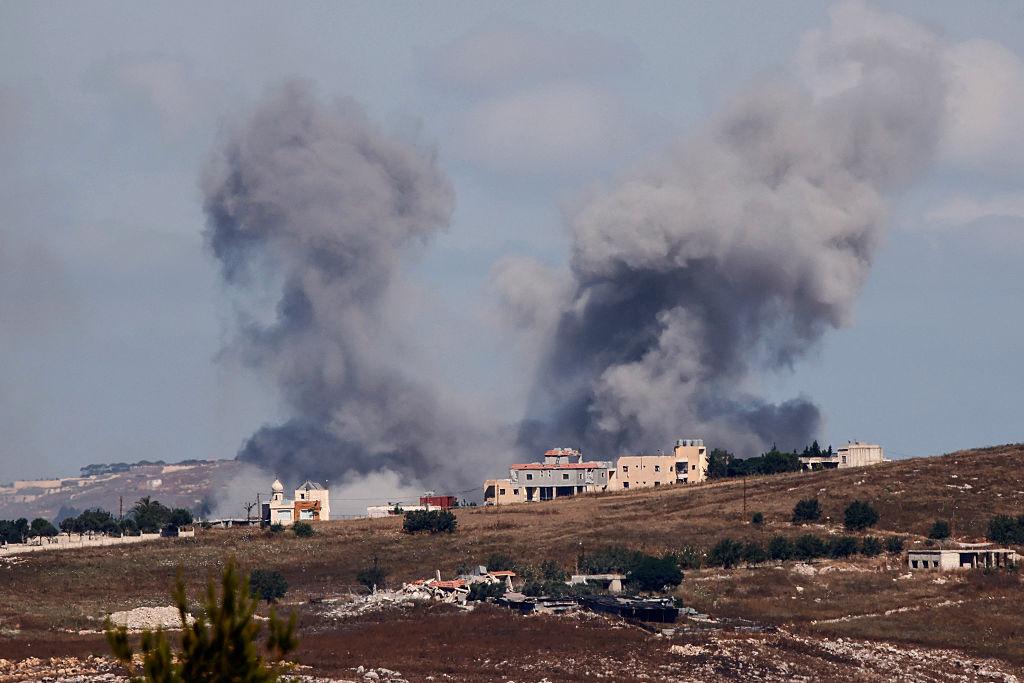
Israeli Defence Minister Israel Katz said on Sunday that “There has never been, and there is currently no restriction on IDF soldiers in Lebanon from acting to eliminate threats,” while adding that troops remained in position in what Israel refers to as a security zone that extends about 10 km into southern Lebanon. Hezbollah chief Naim Qassem rejected any Israeli security zone in Lebanon, saying Israeli troops “remaining on Lebanese land is impossible” and that “There are no security zones for Israel… we have a national army which deploys, and it is who we cooperate with.” The dispute unfolded after a ceasefire with Iran-backed Hezbollah took effect on Friday, while on Saturday Israeli strikes killed at least 20 people in Lebanon, Lebanon’s state news agency NNA reported.
Reuters reported that Hezbollah told it the group was committed to the ceasefire as long as Israel adheres to it, and that Hezbollah forces have not fired on Israeli troops since 6:30 pm (1530 GMT) Saturday. Katz also said, “All of the IDF’s achievements in the campaign in Lebanon are being preserved,” as negotiations between the United States and Iran were set to address Lebanon in Switzerland.

Netanyahu clarifies policy
Israeli Prime Minister Benjamin Netanyahu said Monday that the IDF has “full freedom of action” in southern Lebanon and that “The IDF faces no restrictions in this matter,” framing the directive as a way to thwart “any direct or emerging threat” to troops and residents of northern Israel. The Hill quoted Netanyahu saying, “I remain firm in my position that we will stay in the security zone in southern Lebanon for as long as necessary to protect the residents of the north and all citizens of the State of Israel,” while also noting that Israel’s continued operations have strained the U.S.-Iran ceasefire reached last week. TIn parallel, International Business Times reported that a “deconfliction mechanism” for Lebanon agreed by the U.S. and Iran excludes Israel and would limit responses to “imminent threats,” according to Channel 12.
The same report said Netanyahu released a message reiterating that troops operating in southern Lebanon have “full freedom of action” against “direct or emerging threats,” and that the directive “has not changed.” The Hill added that less than 24 hours after Israel and Hezbollah agreed to renew their ceasefire, Israel struck Hezbollah targets in Lebanon in response to a Friday attack that resulted in the death of 4 Israeli military soldiers within the security zone.T
Ceasefire frictions and fallout
While the fighting appeared to ease on Sunday, The New York Times said it was not clear whether a directive announced late on Saturday would resolve friction that had threatened to derail a preliminary U.S.-Iran peace deal.
It quoted Israel Katz saying, “There has never been, and there is no, restriction on IDF soldiers in Lebanon to act to eliminate threats,” and described clashes centered around the area of Tebnit and nearby Ali al-Taher, a ridgeline overlooking the large city of Nabatieh in southern Lebanon.
ynetglobal reported that after a new government directive, IDF commanders on Saturday received orders limiting them to defensive operations only in Lebanon, with troops told they may open fire solely in response to an immediate threat unless they receive explicit authorization from IDF Chief of Staff Lt. YGen. Eyal Zamir.
The same ynetglobal account quoted Master Sgt. (res.) YA. saying, “We want missions. We want to eliminate terrorists. Instead, we remain inside a compound,” and described how he said they were “securing the sector more than operating in it.”
It also said the directive explicitly prohibited firing warning shots at civilians attempting to return to southern Lebanon unless they come too close to Israeli forces, and barred demolishing homes and other infrastructure within the security zone using explosives without the chief of staff’s approval.