USA13 November, 20253 min read
Nevada Supreme Court Sends Six Nevada Republicans' Fake Electors Case Back to Clark County
This article is an automated aggregation of coverage from news outlets. Our editorials offer in-depth analysis curated by the NewsCord team.
Nevada Supreme Court ruled the criminal case must proceed in Clark County. Six Nevada Republicans are accused of submitting a false certificate declaring Trump the 2020 winner.

6 outlets told this the same way.
Nevada election forgery case
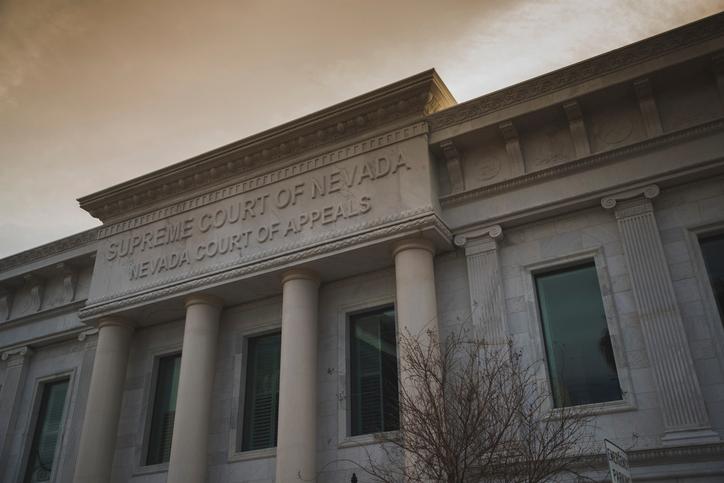
The Nevada Supreme Court reversed a lower-court dismissal and sent a yearslong forgery case involving six Nevada Republicans back to Clark County, finding it the proper venue for prosecution. The six are accused of submitting a bogus certificate falsely declaring Donald Trump the winner of Nevada’s 2020 presidential election.
“The Nevada Supreme Court reversed a lower-court dismissal and sent the yearslong case against six Nevada Republicans back to Clark County, finding it the proper venue for prosecution.”
The decision was signed by six justices, with one recused, and centers on where the certificates were received and delivered, a procedural question tied to mailed documents and forwarding between Las Vegas and Reno. Prosecutors have re-filed the case and the defendants have pleaded not guilty, but it is unclear when the matter will be transferred to Clark County.
Nevada forged certificate case
Prosecutors allege the six defendants helped prepare and submit a forged certificate that falsely declared Trump the 2020 Nevada winner, conduct treated as forgery or related criminal misconduct. The Associated Press presents the ruling as a rare win for swing-state efforts to pursue individuals who submitted alternate elector slates and places Nevada alongside other state outcomes such as dismissals in Michigan and a grand-jury referral in Arizona.
KLAS reports that prosecutors refiled a forgery case in Carson City before the venue question was resolved. KLAS also emphasizes that the official certification is the responsibility of the secretary of state, who issued Nevada's formal certification the same day the Republican electors signed their slate.

Nevada court venue decision
The Nevada Supreme Court's venue question focused on where mailed documents were received and ultimately delivered. Justices heard arguments about whether mailings sent to a Las Vegas address that the postal service later forwarded to a Reno judge meant the case belonged in Clark County, and the court concluded the certificates had been received and delivered in Clark County. KLAS provided procedural specifics, noting that a Carson City judge had earlier allowed the matter to proceed to district court.
“Justices heard arguments in August about whether mailings to a Las Vegas address — later forwarded by the postal service to a judge in Reno — meant the case belonged in Clark County.”
AP described the reversal of the lower-court dismissal. Elko emphasized the ruling's consequence: a transfer to Clark County, where a jury is likelier to be unfavorable to the defendants.
Ruling coverage and responses
Reactions and legal context vary across news coverage.
Nevada Attorney General Aaron Ford praised the ruling and said it allowed prosecutors to continue holding the alleged fake electors accountable.
Reports note the defendants have pleaded not guilty and declined to comment on the Supreme Court's decision.
KLAS reports additional context, noting Gov. Joe Lombardo's vetoes of bills that would have penalized alleged fake electors.
KLAS also reports that President Trump's pardons of some participants in 2020 challenges do not affect state criminal charges.
The Associated Press likewise recorded praise from the attorney general and noted the accused declined to comment.
Nevada fake-elector update
Coverage emphasizes uncertainty about timing and implications: it is not yet clear when the case will be transferred to Clark County, and local reporters note a jury there is seen as likelier to rule against the defendants; analysts and outlets place the decision within a patchwork of varied outcomes for fake-elector cases across states. One source provided only a site footer and asked for the article text, indicating no usable coverage from that outlet in the materials provided here. The combined reporting portrays a legal process moving forward in Nevada with procedural questions answered by the state's high court even as broader debates about accountability, pardons and political consequences continue.
“The Nevada Supreme Court reversed a lower-court dismissal and sent the yearslong case against six Nevada Republicans back to Clark County, finding it the proper venue for prosecution.”