Crime01 February, 20262 min read
New DOJ Files Show Jeffrey Epstein Ran Russian-Backed Honeytrap, Maintained Contacts With Putin
DOJ release revealed emails showing meetings and contacts between Epstein and Vladimir Putin Intelligence sources allege Epstein operated a Russian-backed honeytrap operation targeting elites

12 outlets told this the same way.
Epstein Russia file revelations
Newly released U.S. Department of Justice files and related document caches have renewed allegations that Jeffrey Epstein ran a Russian-linked honeytrap or kompromat operation, with many documents referencing Moscow and Vladimir Putin.
“Thousands of newly released files linked to Jeffrey Epstein contain nearly 1,000 references to Vladimir Putin and about 10,000 to Moscow, prompting fresh scrutiny and a theory that Epstein may have been involved in a Russian-backed ‘honeytrap’ operation to ensnare powerful people.”
Multiple outlets report roughly 1,056 documents naming Putin and about 9,000–10,000 references to Moscow across the release, and they describe emails, flight logs and travel arrangements that involve Russian women, visa requests and proposed meetings with senior Russian figures.
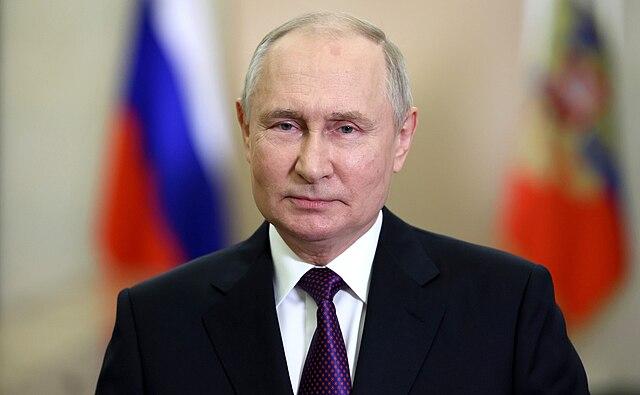
The reports say the files raise serious intelligence questions about Epstein’s ties to Russia while also noting the material is not definitive proof of state-directed espionage.
Epstein Russia documents
Reported emails and flight logs cited across the files show Epstein arranging travel, dinners and introductions involving Russian models and escorts. Some messages explicitly discuss meetings with Vladimir Putin or ask whether Epstein needed a visa to go to Russia.
Reporters say the papers also include offers of specific Russian companions for private dinners and correspondence about arranging or cancelling trips, including a meeting reportedly scuttled after the MH17 shootdown. Several reports present these operational details as the basis for the honeytrap and kompromat hypothesis.
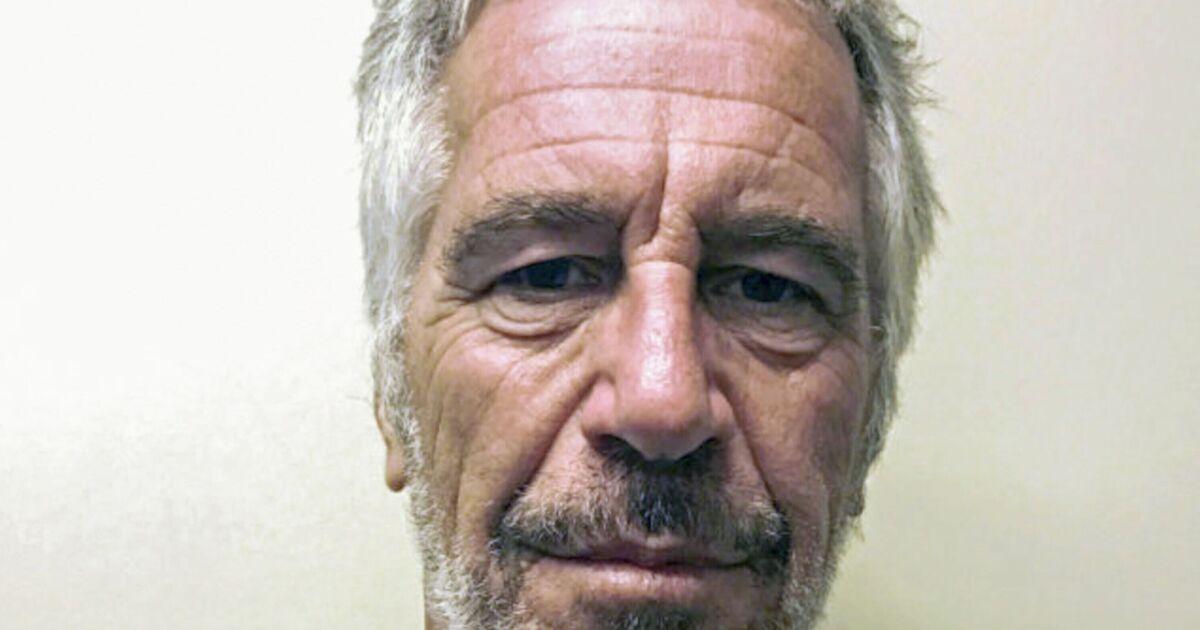
Epstein-Russia Coverage
Several sources say intelligence assessments and anonymous tips drive many of the stronger assertions in the coverage, while also noting the released DOJ material contains unverified allegations. Some outlets quote unnamed intelligence sources linking Epstein to Russian organized-crime networks, to Robert Maxwell, and to suggestions of state involvement.
“U.S. agencies monitored his Russian contacts for years; British authorities were reportedly more cautious because of Epstein’s links to Prince Andrew.”
Other outlets emphasize public-figure denials and the lack of direct documentary proof tying Russian intelligence to Epstein's criminality. Overall, reporting presents a mix of documentary leads and intelligence interpretation rather than definitive legal evidence of Kremlin-directed operations.
Alleged Israeli intelligence links
Beyond Russia, multiple reports allege links or suspicions tying Epstein to Israeli intelligence figures, most notably former prime minister Ehud Barak, and suggest Epstein may have had relationships with multiple services or actors. Some outlets cite an FBI memo and unnamed sources alleging Epstein’s closeness to Barak and even claim he was 'trained as a spy' under Israeli figures. Other outlets warn that raising Mossad allegations risks echoing antisemitic tropes and emphasize that such claims remain unproven in the documents.
Epstein documents coverage
Across outlets, reporting is consistent that many key questions remain unresolved: the released material raises serious intelligence and investigative leads but does not provide a clean documentary chain proving Kremlin or Mossad direction of Epstein’s crimes.
“The documents raise questions but do not by themselves prove the more extreme claims about state-backed trafficking or espionage.”
Publications repeatedly note denials by named figures, the contested nature of some cited documents, and the unresolved circumstances of Epstein’s 2019 death, leaving the broader spying and blackmail narrative an open, disputed matter requiring further verification.
