Full Analysis Summary
Supplement effects on depression
A recent article summarized by @ncasenmare reports that vitamin D and omega-3 supplements showed larger reported effects on depressive symptoms than antidepressants in the studies the article reviewed.
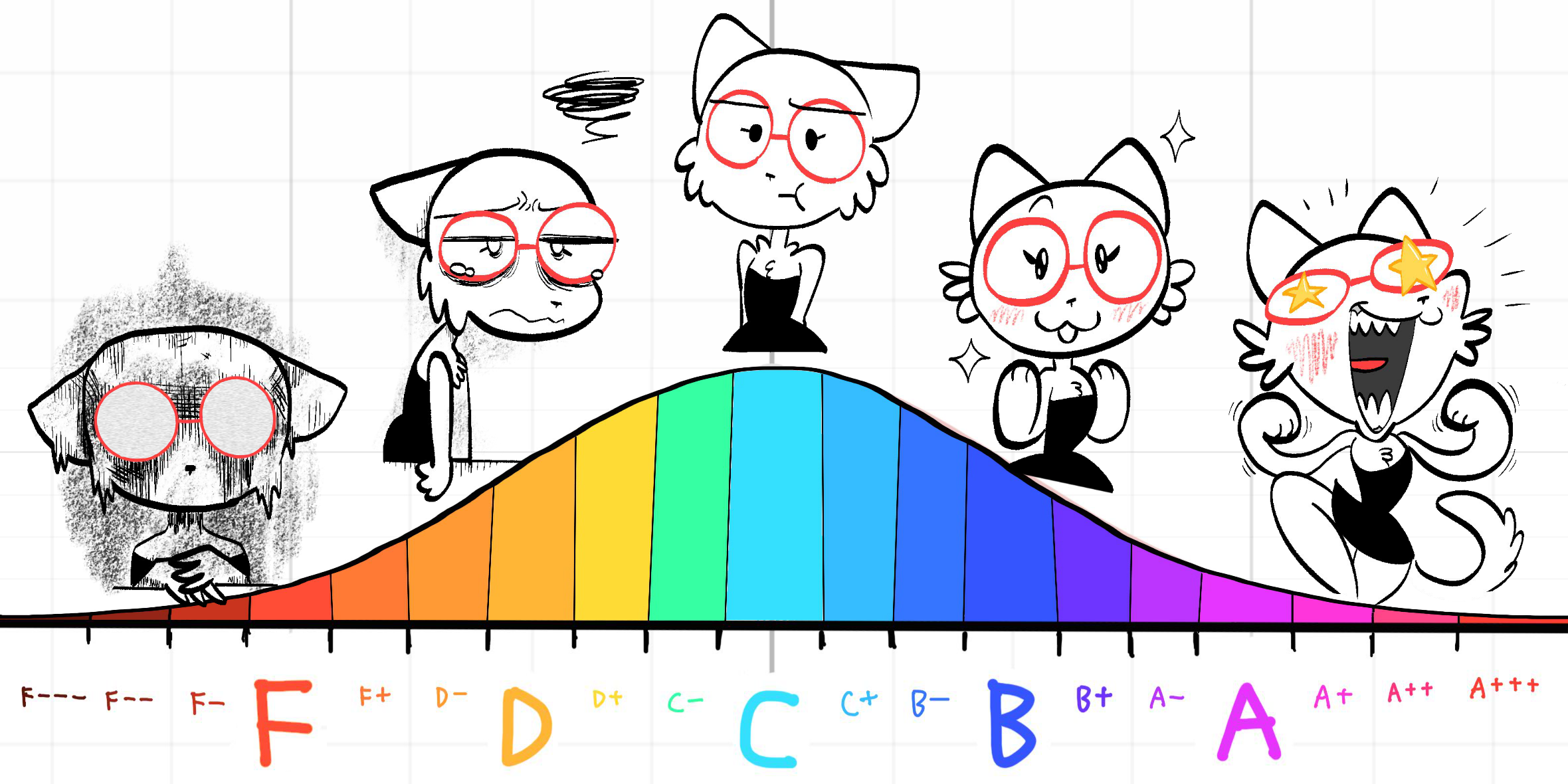
In those studies, antidepressants versus placebo had a standardized effect size of about 0.4 (roughly "C to C+").
Omega-3 at roughly 1,500 mg/day with at least 60% EPA had an effect size of approximately 0.6 ("C to B–").
Vitamin D at about 5,000 IU/day was reported with a much larger effect size around 1.8 (the article’s large estimate, "C to A–").
The article frames these supplements as inexpensive, over-the-counter options that may offer additional benefits.
Coverage Differences
Limited cross-source comparison
Only @ncasenmare is provided as a source, so cross-source differences by 'source_type' cannot be shown. Within the single source, the article itself reports numeric comparisons and frames supplements positively while also noting controversy about some estimates (especially vitamin D). I explicitly report that these are claims reported by the article and not necessarily consensus findings in broader clinical literature.
Omega-3 dosage and advice
The article highlights a specific omega-3 formulation and dose: about 1,500 mg per day with at least 60% EPA, reporting an effect size of approximately 0.6.
It emphasizes practical advantages over many antidepressants, such as lower cost and fewer side effects.
The article recommends a trial of supplements for at least one month when there are no contraindications.
These points are presented as the article's claims and practical suggestions rather than definitive clinical guidelines.
Coverage Differences
Source emphasis vs. guideline caution
@ncasenmare emphasizes practical benefits and a specific omega‑3 dose and formulation (≈1500 mg/day, ≥60% EPA) and suggests a trial, but also frames such recommendations as the article's claims rather than established guidelines. Because no other sources are provided, I cannot contrast how other source types treat dosing or recommendations.
Vitamin D dosing claims
The article reports an unusually large effect size (~1.8) for vitamin D at about 5,000 IU/day and claims benefit even for people without deficiency.
It argues that official vitamin D recommendations and commonly cited "max safe dose" limits are several times too low.
The article presents these as strong claims but notes that such large effect estimates are controversial relative to much of the clinical literature.
Coverage Differences
Controversial magnitude reported
@ncasenmare reports a very large vitamin D effect size (≈1.8) and argues that official recommendations are too low; simultaneously the source itself cautions that this estimate is controversial, indicating the article reports strong claims while acknowledging debate. No other source is available here to show differing tones or counterarguments from other 'source_type's.
Supplement risks and guidance
The article includes important caveats: high-dose vitamin D and omega-3 are not risk-free for everyone.
It recommends clinician consultation and testing before starting or increasing doses.
It advises seeking immediate help for suicidal thoughts or severe depression.
The summary notes both the article's promotional claims about supplements and its cautionary language about risks and controversy.
Coverage Differences
Tone balance within source
@ncasenmare combines a promotional tone (advocating trials of supplements) with caution (noting controversial estimates and advising clinician consultation). Without other sources to compare, I highlight this internal tension rather than inter-source contrasts.
Supplements vs Antidepressants
Bottom line: based on the single provided summary (@ncasenmare), the article claims that omega-3 and vitamin D may outperform antidepressants in reported effect sizes.
It recommends short trials for many people but cautions about risks and controversy.
Because only one source was provided, this synthesis is limited to that article's reporting and cannot demonstrate differences across other source types or independently confirm the findings without additional sources.
The article's author offers to locate original studies or provide deeper summaries, which would be useful next steps for verification.
Coverage Differences
Missing multi-source perspective
I cannot show differences between West Asian, Western Mainstream, or other 'source_type' perspectives because only @ncasenmare was provided. The single source both reports strong claims and notes controversy; further sources would be needed to assess how tone, narrative, or omitted details vary by source type.