Africa04 November, 20252 min read
Nigeria Rejects Trump’s False Claims of Christian Persecution Amid Rising Religious Killings
This article is an automated aggregation of coverage from news outlets. Our editorials offer in-depth analysis curated by the NewsCord team.
Nigerian government denies religious persecution, citing constitutional protections. Nigeria identifies terrorism, not religious persecution, as its main security challenge.

5 outlets told this the same way.
Nigeria Rejects US Persecution Claims
Nigeria forcefully pushed back against former US President Donald Trump’s allegations of government-backed persecution of Christians. The Nigerian government framed the violence as affecting all communities rather than a state policy against a single faith. Al Jazeera reports that Foreign Minister Geoffrey Tuggar strongly rejected Trump’s claims.
“Nigerian Foreign Minister Geoffrey Tuggar strongly rejected US President Donald Trump’s claims of government-supported religious persecution in Nigeria, emphasizing that such persecution is impossible at any government level.”
Tuggar noted that Trump threatened to cut all US aid to Nigeria and hinted at possible military action. This threat was tied to a redesignation of Nigeria as a 'Country of Particular Concern.' TRT Afrika also says Abuja has rejected Trump’s threats of military intervention.

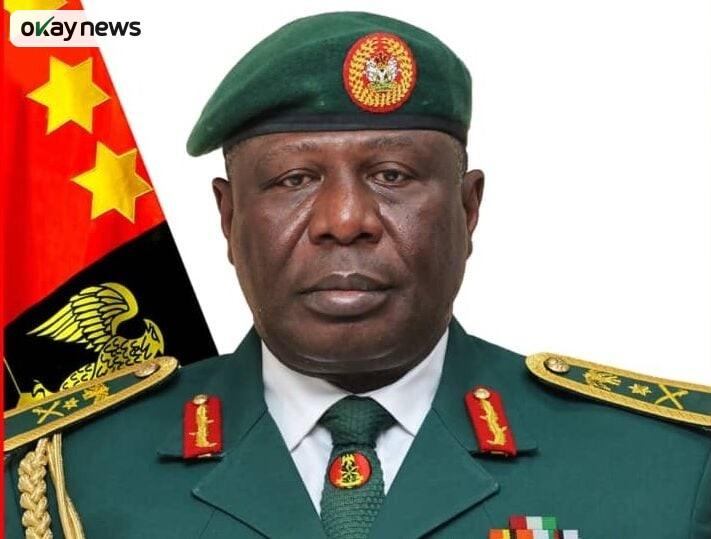
The Nigerian constitution prohibits religious persecution, TRT Afrika stressed. Okaynews adds that Nigeria’s military leadership denied claims of Christian persecution. The military acknowledged Trump’s threats to cut aid or use force over alleged killings of Christians.
Government Response to Security Concerns
Al Jazeera reports the foreign minister’s insistence that persecution is impossible at any government level.
TRT Afrika quotes Foreign Minister Yusuf Tuggar affirming commitment to religious freedom and the rule of law.
He warned against attempts to divide Nigerians along faith lines, even drawing parallels with the partition and conflict in Sudan.
Okaynews underscores the security establishment’s message from Chief of Defence Staff Gen. Olufemi Oluyede, who said terrorism, not religious attacks, is Nigeria’s main security challenge.
Gen. Oluyede highlighted President Tinubu’s security reforms and echoed the presidency’s rejection of portrayals of Nigeria as religiously intolerant.
Perspectives on Nigerian Violence
All outlets acknowledge deadly violence but diverge on its drivers. Al Jazeera situates bloodshed within insurgency and resource conflicts—Boko Haram in the northeast and farmer–herder clashes largely over resources—in a country with roughly equal Muslim and Christian populations.
“Nigeria, with roughly equal Muslim and Christian populations, has faced ongoing violence from groups like Boko Haram in the northeast and conflicts between predominantly Christian farmers and Muslim Fulani herders in the central region, largely over resources.”
TRT Afrika reports that experts view the violence as often ethnic rather than purely religious, while also noting that a Christian genocide narrative has been pushed by separatists and US-based lobbyists. okaynews echoes that the crises affect all citizens regardless of faith, even as it recounts Trump’s allegation that Islamic terrorists are targeting Christians, which Nigerian officials reject.
Nigeria Conflict and Responses
On scale and diplomatic fallout, Al Jazeera reports that over 10,000 people have been killed since President Bola Tinubu took office. Trump escalated tensions by redesignating Nigeria as a Country of Particular Concern. TRT Afrika contrasts Nigeria’s denial of targeted persecution with Trump’s claim that thousands of Christians are being killed by members of the Muslim community.
Okaynews emphasizes forward-looking responses, noting that the defence chief called for international cooperation. President Tinubu pledged continued collaboration with international partners to promote peace.

Media Perspectives on Nigeria's Response
Each outlet frames Trump’s claims and Nigeria’s response through distinct lenses. Al Jazeera connects Trump’s rhetoric to narratives popular among right-wing and evangelical groups in the US and stresses that branding Nigeria as religiously intolerant misrepresents the situation. TRT Afrika situates Abuja’s messaging in constitutionalism, noting that its constitution prohibits religious persecution, and emphasizes national cohesion while warning against Sudan-style division.
“These claims align with narratives popular among right-wing and evangelical groups in the US.”
okaynews centers the governance and security track, citing Tinubu’s security reforms and the military’s focus on combating terrorism. okaynews also reiterates denials of any state-backed persecution and states that violence affects both Christians and Muslims.