South America09 December, 20253 min read
Nobel Institute Cancels María Corina Machado Oslo Press Conference After Venezuelan Opposition Leader Remains Missing
This article is an automated aggregation of coverage from news outlets. Our editorials offer in-depth analysis curated by the NewsCord team.
Norwegian Nobel Institute canceled Machado's scheduled Oslo press conference Machado has been in hiding, and her current whereabouts remain unknown

10 outlets told this the same way.
Outlets did split on Alexandre de Moraes Orders Eduardo Bolsonaro Arrest, Cancels Passport, Enforces Four-Year Sentence →
Nobel laureate attendance uncertainty
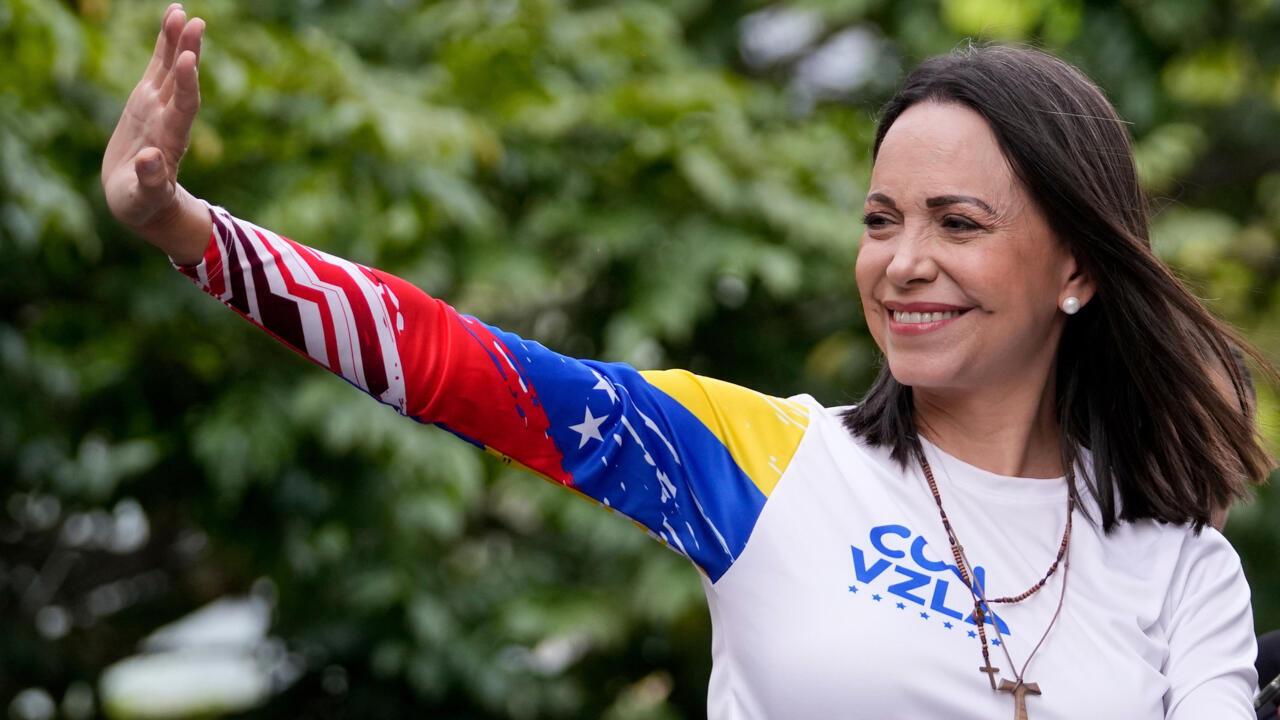
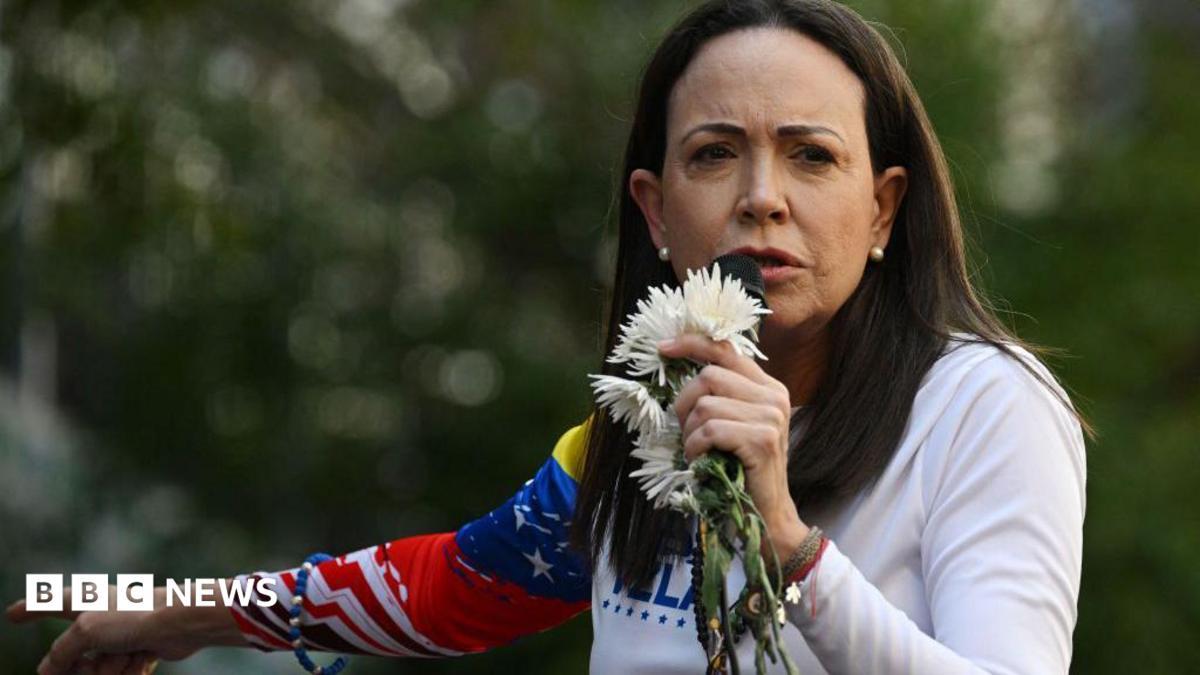
Nobel officials in Oslo abruptly canceled a planned press conference with Nobel Peace Prize laureate María Corina Machado after saying her current whereabouts were unknown, creating uncertainty about whether she will attend Wednesday's award ceremony at Oslo City Hall. The Norwegian Nobel Institute confirmed the cancellation and described Machado's location as unknown, and multiple outlets reported the institute had delayed then called off the event amid questions about her arrival. The cancellation came as ceremony preparations continued, with organisers stressing they would proceed to highlight Venezuela's situation and the prize's democratic message.
“The Norwegian Nobel Institute canceled a planned press conference with this year’s Peace Prize winner, Venezuelan opposition leader Maria Corina Machado, ahead of Wednesday’s award ceremony in Oslo.”
Machado's travel and hiding
Machado has faced travel restrictions and has been in hiding for an extended period, though sources differ on the timing and circumstances. Several outlets report she is subject to a decade-long travel ban imposed by the Maduro government and that she has been in hiding for anywhere from months to more than a year.
Al Jazeera and multiple outlets say she was last seen at a Caracas protest on 9 January, while other reports claim she has been operating from hiding since August 2024 or has been in hiding since January. The Nobel Institute said it does not know her current whereabouts, which adds to the uncertainty.
Nobel ceremony attendees
Despite Machado’s uncertain presence, the Nobel ceremony is expected to draw high-profile attendees and regional leaders. The Straits Times and Devdiscourse said the event at Oslo City Hall would be attended by Norway’s royal family and several Latin American leaders.
“The institute said it would ensure a ceremony that highlights the situation in Venezuela and the importance of democracy; the event is expected to be attended by King Harald, Queen Sonja and several Latin American leaders, including Argentina’s Javier Milei and Ecuador’s Daniel Noboa.”
La Voz de Ibiza and MercoPress list invited or attending regional heads of state, including Argentina’s Javier Milei, Ecuador’s Daniel Noboa and Paraguay’s Santiago Peña, and note relatives and supporters are already in Oslo. Organisers said they would ensure the ceremony would stress Venezuela’s democratic crisis even if the laureate’s personal attendance remained unclear.
Venezuelan reaction to prize
Venezuelan government figures and prosecutors have sharply denounced Machado's prize and warned of legal consequences if she leaves the country. Domestic reactions add a confrontational political layer to the Oslo uncertainty. La Voz de Ibiza reported that Chavismo called for a march and that Diosdado Cabello denounced the prize as an "auction."
Cabello claimed to know Machado's whereabouts and repeated she would be treated as a "fugitive" if she leaves. Al Jazeera quoted Attorney General Tarek William Saab warning she faces probes for "conspiracy, incitement of hatred [and] terrorism" and would be considered a fugitive. The government also announced closure of the ICC's technical office in Venezuela, according to La Voz de Ibiza, underlining growing institutional tensions.

Variations in media coverage
Coverage varies in tone and in what reporters emphasize, with some outlets highlighting Machado’s ties to allies of former US president Donald Trump and critical voices while others foreground exile communities, family in Oslo, or safety concerns. Devdiscourse and Al Jazeera note criticism over her ties to Trump and report that she dedicated the prize to him. La Voz de Ibiza focuses on exiles and family members who traveled to Norway to await her possible arrival.
“The Nobel Committee honored Machado for her staunch opposition to what it called a dictatorship; the committee’s decision also highlighted her ties to allies of former U.S. President Donald Trump.”
Zoom Bangla and MercoPress underscore fears for her safety and the delicate position this creates for the Nobel Committee. Taken together, the reporting shows consistent uncertainty about Machado’s whereabouts but divergent emphases that shape different reader impressions.