
North Korea · 10 May, 2026 · 2 min read
North Korea Amends Constitution To Automatically Launch Nuclear Strikes If Kim Jong Un Is Assassinated
Automatic nuclear strike activated if Kim Jong Un is assassinated or incapacitated. Adopted during first session of the 15th Supreme People's Assembly on March 22.
Rationale for the constitutional change is framed differently.
7 of 8 outlets skipped it: x users warned about reduced human decision time..
14outlets compared
Same story, two versions
tap a side to read it in full
WION
“called the move historic, reported the state-run Korean Central News Agency (KCNA)”Read the original ↗
One stresses expert shock from Iran; the other emphasizes Kim’s political framing.
Constitutional nuclear retaliation
North Korea amended its constitution to automatically launch nuclear missiles if leader Kim Jong Un is assassinated or incapacitated by a foreign attack, with the change adopted during the first session of the 15th Supreme People’s Assembly convened in Pyongyang on March 22. The revision formalizes a retaliatory doctrine under updated Article 3 of North Korea’s nuclear policy law, stating that if hostile forces place the state’s nuclear command-and-control system in danger, “a nuclear strike shall be launched automatically and immediately.”
“The change was adopted during the first session of the 15th Supreme People’s Assembly, which convened in Pyongyang on March 22.”
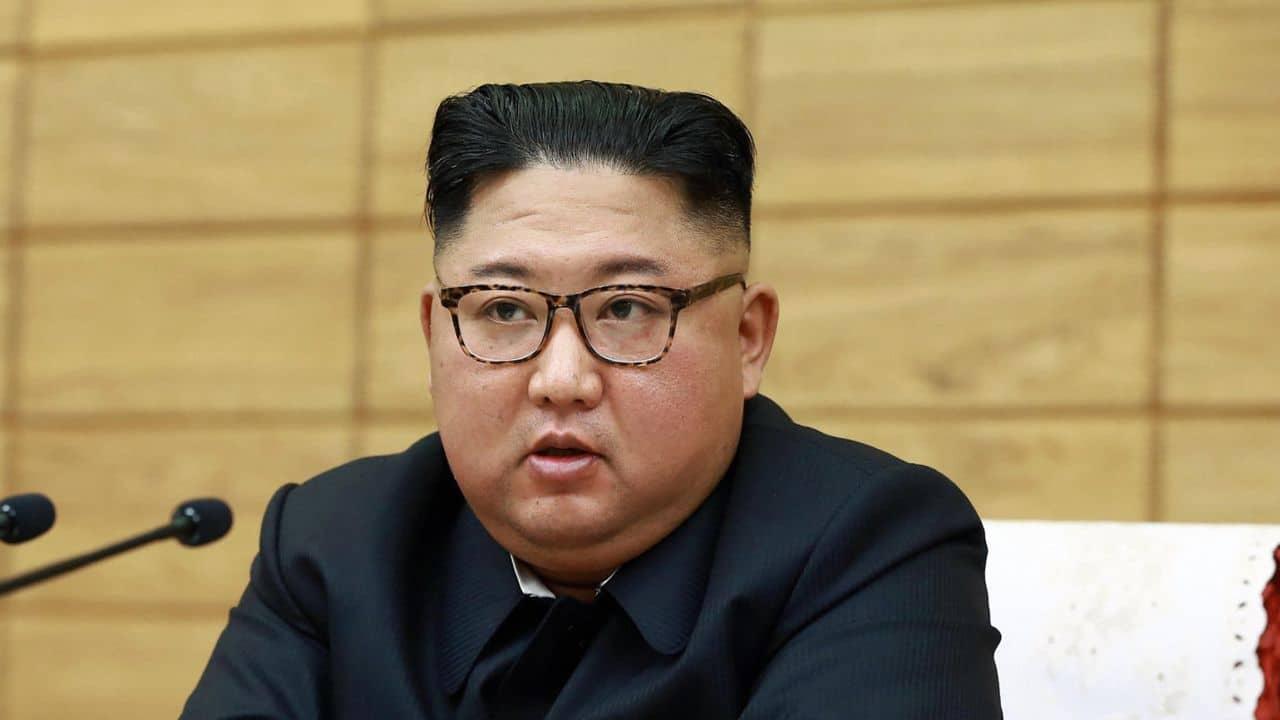
South Korea’s National Intelligence Service later briefed senior government officials about the constitutional changes, and the updated framework keeps Kim Jong Un as the supreme commander of North Korea’s nuclear forces. WION reports that Kim Jong Un addressed participants and called the move “historic,” as the amendment mandates automatic nuclear strike if the leader is “Assassinated,” while ProPakistani says the constitutional revision ensures retaliation even if the top leader is eliminated for any reason.W
Decapitation fears and reactions
Multiple reports link the constitutional shift to heightened fears of “decapitation strikes,” with The Financial Express saying the revised policy came after the killing of former Iran’s supreme leader Ali Khamenei and several senior Iranian officials during the joint US-Israeli strikes on Tehran in March. TAndrei Lankov, a professor of history and international relations at Kookmin University in Seoul, told The Financial Express, “Iran was the wake-up call,” adding that North Korea “must now be terrified.”T
The Financial Express also frames the change as codifying procedures for retaliatory attacks if Kim loses control during a military attack, while NDTV says the updated Article 3 language defines how retaliation would take place if the leadership is targeted. TIn parallel, ProPakistani says many posters on X wrote that an automatic launch doctrine increases escalation risks by reducing human decision-making time during crises and raising the possibility of rapid nuclear retaliation in the event of miscalculation or sudden conflict.
Broader constitutional revisions
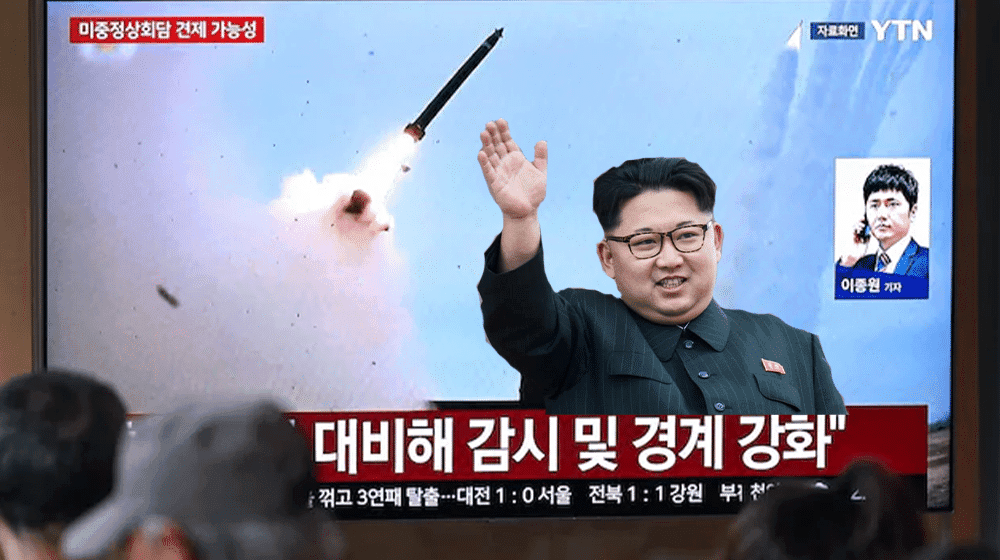
Alongside the nuclear clause, the constitutional revisions described by WION include the removal of references to Korean reunification, strengthening territorial definitions of the DPRK, and an emphasis on nuclear deterrence as a core element of national policy. WWION also reports a shift in framing that treats North and South Korea as separate states, while The Sunday Guardian says the broader constitutional revisions included the removal of references to Korean reunification and strengthened territorial definitions of the DPRK.W
“KCNA quoted Kim as saying the new howitzer would “provide significant changes and advantages to our military’s ground operations.””
The Financial Express adds that North Korea’s state media said Kim recently visited a weapons factory to inspect production of a “new-type 155-millimetre self-propelled gun-howitzer,” and KCNA quoted Kim as saying the new howitzer would “provide significant changes and advantages to our military’s ground operations.” TThe Financial Express further reports that KCNA said the artillery system has a range of more than 37 miles and will be deployed this year near the South Korean border, placing central Seoul within direct striking range and putting parts of Gyeonggi province at increased military threat.T