Trump Expects Tehran Response Within Hours as U.S. Disables Iranian Tankers in Strait of Hormuz
Key Takeaways
- U.S. struck two Iran-flagged tankers in Gulf of Oman, disabling them.
- Strikes enforce the Hormuz blockade against Iranian vessels attempting to evade.
- CIA assessments say Iran can withstand the blockade for months.
Ceasefire proposal, fast timeline
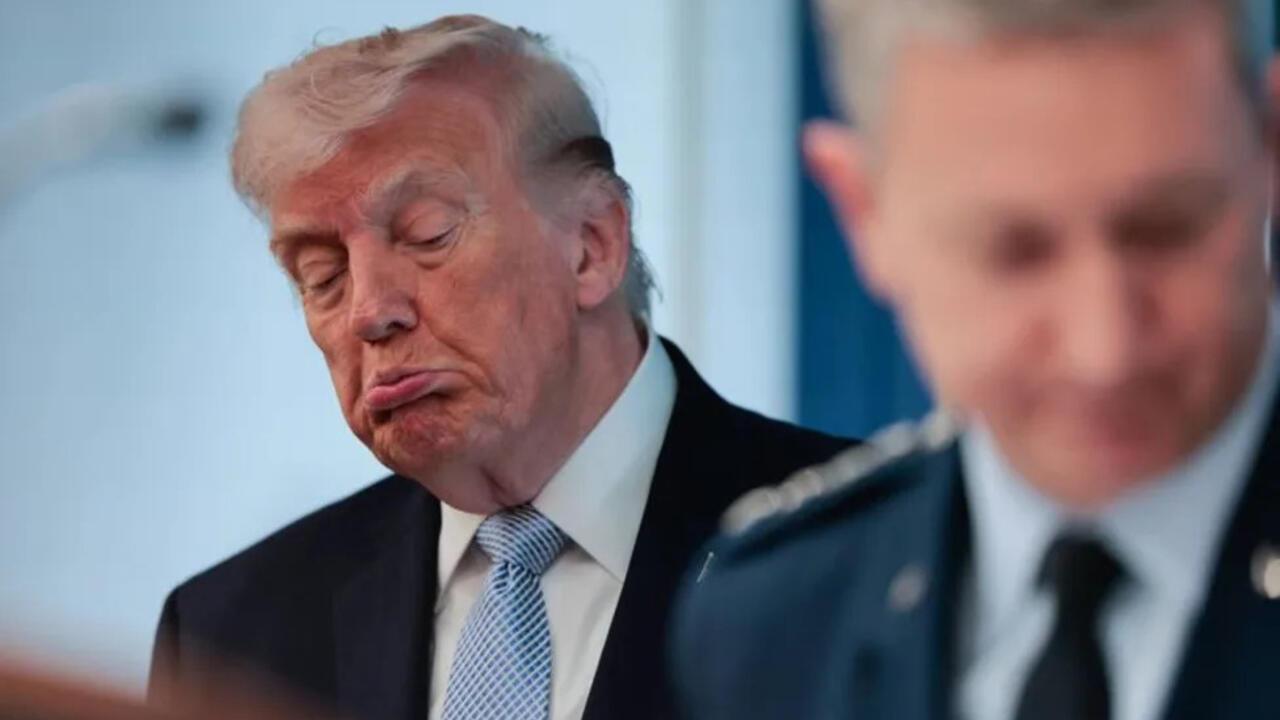
On May 8, U.S. President Donald Trump said he expected an answer from Tehran to the latest U.S. peace proposal within the next few hours, telling reporters outside the White House, "I'm getting a letter supposedly tonight, so we'll see how that goes."
The same day, U.S. Secretary of State Marco Rubio said Washington was awaiting Iran’s response, adding, "We're expecting a response from them today at some point...I hope it's a serious offer, I really do," during a visit to Rome.
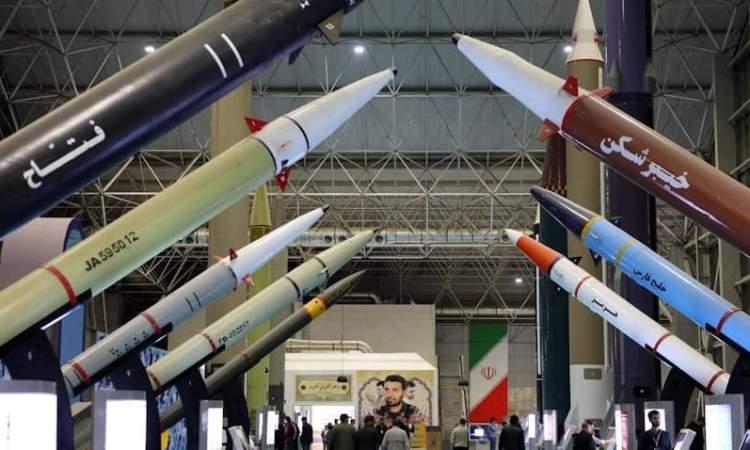
The proposal discussed in the coverage is tied to ending the war that began with U.S.-Israeli air strikes on Iran on February 28, and to reopening the Strait of Hormuz within 30 days of signing, according to Al Jazeera’s account of the U.S. plan.
Al Jazeera also reported that the U.S. proposal would require Iran to halt all enrichment of uranium for at least 12 years and hand over an estimated 440kg (970lb) stock of uranium enriched to 60 percent.
The NPR report framed the diplomatic moment alongside military pressure, saying Washington was awaiting an Iranian response while U.S. forces fired on and disabled two Iranian oil tankers in the Strait of Hormuz on Friday.
Blockade enforcement and threats
In the Strait of Hormuz and Gulf of Oman, U.S. Central Command said a U.S. fighter jet disabled two Iranian-flagged tankers, with CENTCOM stating that an F/A-18 Super Hornet fired precision munitions into the vessels’ smokestacks to prevent them from entering an Iranian port.
The CNBC account described the same Friday action as a strike that "disabled both tankers after firing precision munitions into their smokestacks," and said it was the latest military step that further undermined the U.S. ceasefire.

Iranian officials and lawmakers responded with threats of escalation, with an Iranian lawmaker telling IRIB TV, "From now on, the Americans should know that Iran will safeguard its sovereignty over territorial and extraterritorial waters for its ships' security."
The Eastleigh Voice report added that Ali Khezrian said, "No one will be able to take military action against Iranian vessels any longer without facing a response," in response to clashes between Iran and the United States in and around the Strait of Hormuz on Thursday and Friday.
NPR also reported that Iran’s Foreign Ministry condemned what it called "hostile" U.S. military action, saying it violated the ceasefire, while the U.S. insisted the temporary truce remains in effect.
What’s at stake next
The diplomatic and military standoff is presented as hinging on whether Iran accepts the U.S. proposal and whether the ceasefire holds, with Al Jazeera saying neither side had yet announced the collapse of the ceasefire that has been in place since April 8.
“Iran has said it is reviewing a United States peace proposal that seeks to end the war, even as the two sides exchanged fire in the Strait of Hormuz on Thursday”
Al Jazeera reported that Iranian lawmaker Ebrahim Rezaei described the U.S. text as "more of an American wish-list than a reality," while Iran’s Parliament Speaker Mohammad Bagher Ghalibaf mocked U.S. reports of closeness to a deal by writing, "Operation Trust Me Bro failed."
NPR said the U.S. and Iran exchanged fire in the Strait of Hormuz on Thursday, casting more doubt on the ceasefire, and reported that the UAE’s Defense Ministry said three people were wounded after air defenses engaged two ballistic missiles and three drones launched by Iran.
Radio Free Europe/Radio Liberty tied the broader pressure campaign to economic strain inside Iran, citing Statistical Center of Iran data that year-on-year inflation for solid vegetable oil rose 375 percent compared with the same period in the previous year.
In the same reporting stream, RFE/RL also described a wider regional mediation push, noting that Qatari Prime Minister Muhammad bin Abdulrahman al-Thani urged all warring parties to utilize diplomacy and not arms after talks with U.S. Vice President JD Vance in Washington.
More on Iran

US Intelligence Says Mojtaba Khamenei Shapes Iran’s War Strategy and Negotiations With Washington
16 sources compared
Joe Kent Says U.S. Intelligence Agreed Iran Was Not Developing Nuclear Weapons
12 sources compared
Marco Rubio Imposes Sanctions on Chinese Entities Accused of Supplying Iran Satellite Imagery
14 sources compared

Reuters And Associated Press Say Suspected Oil Spill Expands Near Iran’s Kharg Island
14 sources compared