North Korea20 June, 20172 min read
North Korea Detained American Student Otto Warmbier; He Dies After Medical Evacuation
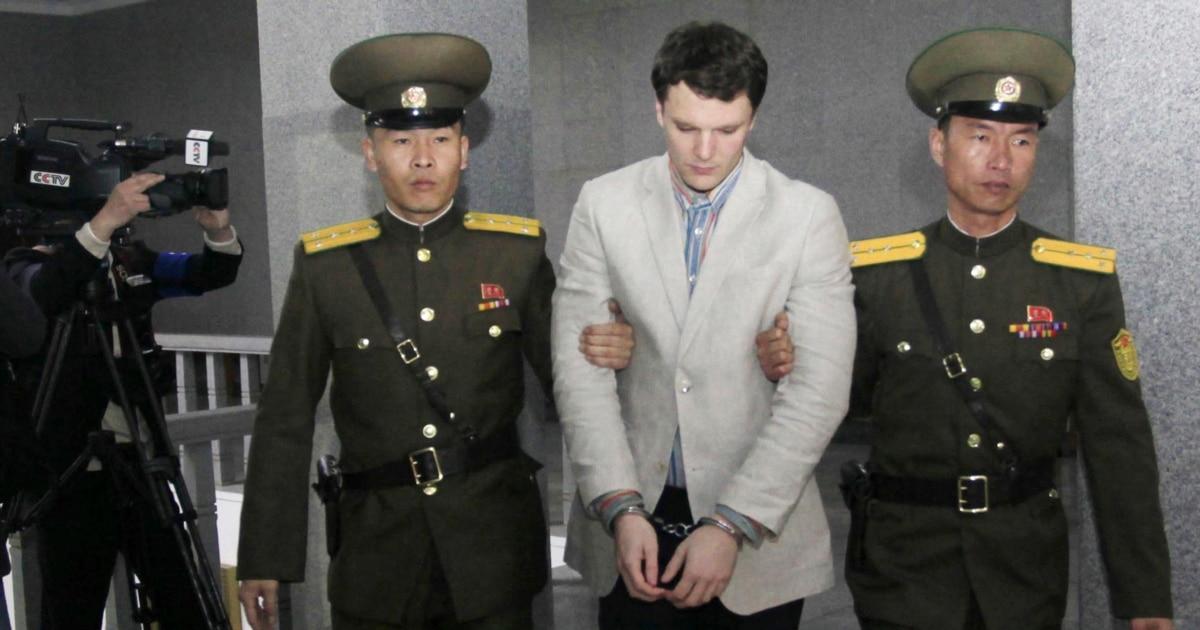
Detained 17 months, sentenced to 15 years' hard labor for allegedly stealing a propaganda poster. Returned to the U.S. in a coma and died days later in a Cincinnati hospital.
14 outlets told this the same way.
Outlets did split on South Korea Plans To Train 500,000 Drone Warriors To Counter North Korea →
Warmbier detention and death
Otto Warmbier, a 22-year-old American college student, died after being medically evacuated from North Korean custody and returned to the United States in a coma. Multiple outlets report he had been held for about 17 months before his release and died shortly after arriving home in Cincinnati. Sources describe his condition on return as a vegetative or unresponsive state and report that he was pronounced dead at home on a Monday afternoon.
“Otto Warmbier, a 22-year-old American college student who had traveled to North Korea for a five-day tour in 2016, died Monday in Cincinnati after spending 17 months in North Korean detention.”
Family statements placed his time of death and expressed grief. This sequence—arrest in North Korea, long detention, humanitarian release and death after medical evacuation—forms the core timeline presented across news reports.

Explanations for Warmbier's coma
The cause of Warmbier’s coma and death is reported differently by North Korean authorities, U.S. physicians and independent reporters. North Korea told reporters he slipped into a coma after contracting botulism and being given a sleeping pill. U.S. doctors who treated him in Cincinnati reported severe and extensive brain damage and found no evidence that botulism explained his condition.
Some U.S. medical statements described his state as 'unresponsive wakefulness' and said the brain injury dated back more than a year. Other reports note that U.S. doctors could not definitively determine the precise medical cause of the neurological damage.

Warmbier detention summary
Warmbier was arrested in Pyongyang in January (or December) 2016 while traveling with a tour group and was later sentenced in a North Korean court to 15 years of hard labor for what authorities said was an attempted theft of a propaganda poster or banner. North Korean media broadcast a tearful confession and the government called the act hostile, while U.S. and Western outlets say the trial and sentence were politically motivated or a 'sham' and note that other detained foreigners have reported coerced confessions. His family and U.S. officials describe his detention and treatment as part of a pattern involving other detainees held by Pyongyang.
“Warmbier was arrested in January 2016 while leaving the country with a tour group and was sentenced to 15 years of hard labor after North Korea accused him of trying to steal a propaganda poster.”
Reactions to Warmbier's Death
Warmbier’s death prompted condemnation from U.S. and international figures, renewed scrutiny of North Korea’s treatment of detainees, and immediate local and diplomatic responses. U.S. leaders — named in several reports — blamed the Kim regime. Human Rights Watch and other groups called the case a human-rights abomination.
The tour company involved said it would stop taking American visitors to North Korea. U.S. and South Korean officials called for accountability and raised the case alongside concerns about other foreign and South Korean detainees. Religious and advocacy outlets framed the incident as an assault on human decency and suggested it would further chill U.S.–North Korea contacts.
