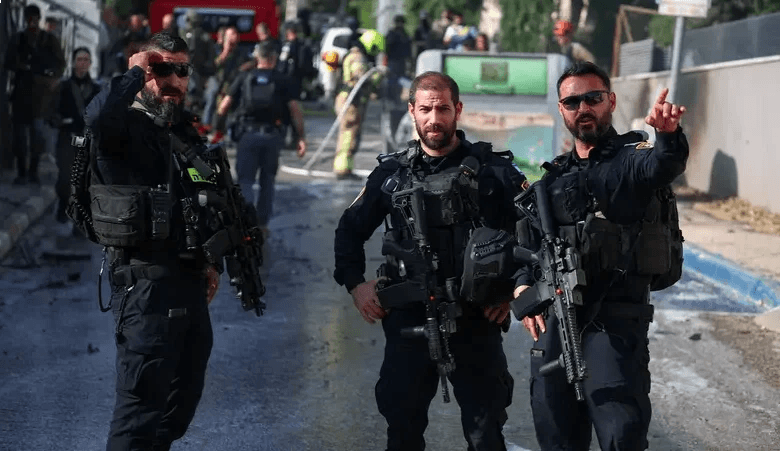
Northern Israel Residents Shut Schools And Shops To Protest Lebanon Ceasefire
Key Takeaways
- Shops and schools shut in northern Israel to protest the Lebanon ceasefire.
- Protests spread to Kiryat Shmona and Haifa over the ceasefire.
- Protests reflect domestic divisions over ceasefire terms.
Ceasefire Protest in North
In northern Israel, residents shut schools and shops to protest a 10-day ceasefire with Lebanon that took effect on April 16, with protesters saying “nothing was achieved,” according to Al Jazeera.
“Toggle Play Schools, shops shut in northern Israel to protest the Lebanon ceasefire Read more Shops and schools shut in northern Israel as residents protested a 10-day ceasefire with Lebanon that took effect on April 16, saying “nothing was achieved””
The Al Jazeera report says Israeli officials stated that operations may continue, with forces still deployed inside southern Lebanon.

The same Al Jazeera item was published on 19 Apr 2026, and it describes protests in northern Israel as residents protested the ceasefire terms.
Crypto Briefing also described “Protests erupted in northern Israel as residents shut shops and schools in opposition to the 10-day ceasefire with Lebanon.”
The Israeli Public Broadcasting Corporation, Kan, reported that in Kiryat Shmona the city council and its education system were closed, and it said representatives planned protests in Jerusalem.
بوابة الشروق similarly reported that residents of the largest Israeli city on the northern border with Lebanon began a strike on Sunday in protest of the ceasefire related to the conflict with Iran-backed Hezbollah militants there.
In Kiryat Shmona, the mayor Avihai Stern said in a statement, “It is not a complete victory, but a surrender of the North’s residents!”
IDF Lines and Attacks
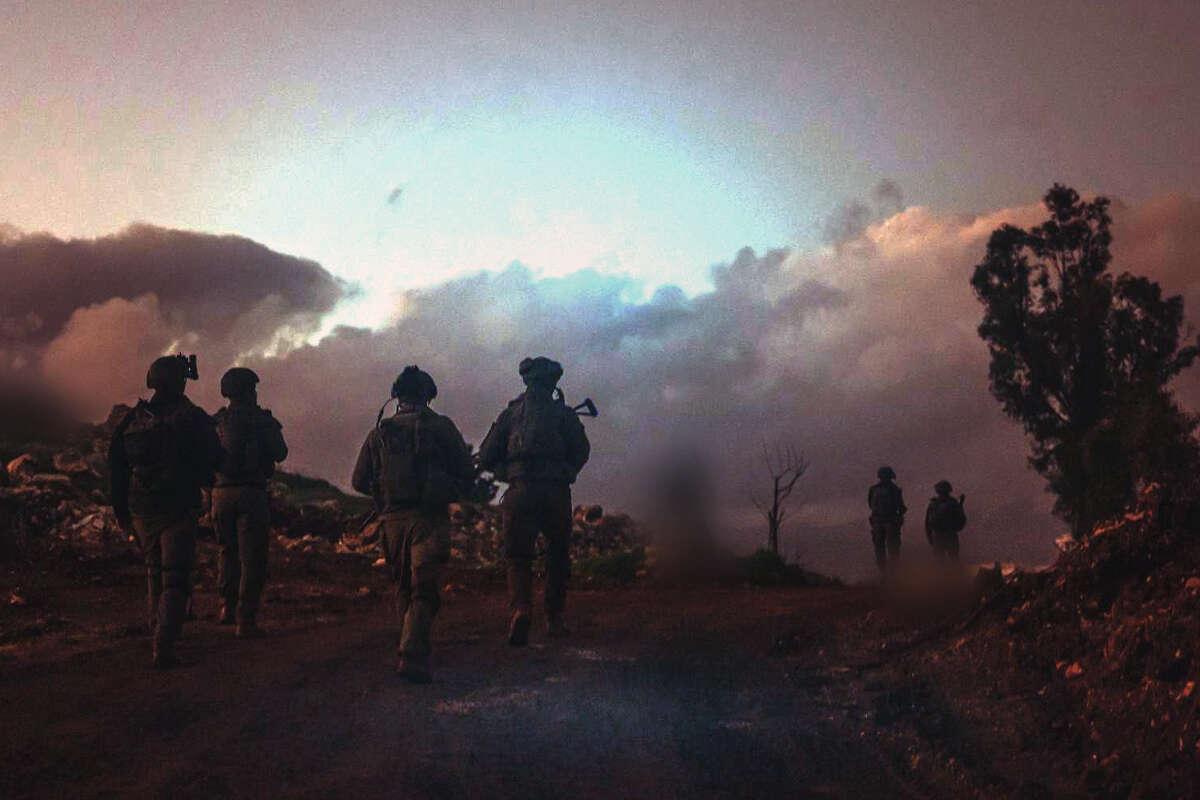
As the ceasefire period unfolded, the IDF announced a “Forward Defense Line” in southern Lebanon and described simultaneous operations south of that line to dismantle Hezbollah infrastructure and prevent threats to northern Israeli communities.
The Jerusalem Post reported that the IDF published a map of the new line on Telegram and quoted the IDF saying, “Five divisions, alongside Israeli Navy forces, are operating simultaneously south of the Forward Defense Line in southern Lebanon in order to dismantle Hezbollah terror infrastructure sites and to prevent direct threats to communities in northern Israel.”
The Jerusalem Post said the announcement followed IDF action on Saturday in which several sites in southern Lebanon were targeted, with the military saying the presence of Hezbollah operatives there was a violation of the ceasefire agreement.
It also reported that Lebanese media said Hezbollah viewed the IDF attacks as a breach and planned to notify Iran of the perceived violation.
The Jerusalem Post further stated that Trump said in a Truth Social post on Friday that he had prohibited any attacks by Israel against Lebanese targets, quoting Trump: “Israel is prohibited from bombing Lebanon any longer.”
It added that later on Saturday the IDF announced that “over 250 terrorists were killed and over 1,000 weapons and munitions were located and destroyed south of the Forward Defense Line.”
Separately, The Jerusalem Post said the IDF killed an armed terrorist after he crossed the Forward Defense Line and approached soldiers, and it described the terrorist as having “violated ceasefire understandings” and posed an “immediate threat” to soldiers.
Netanyahu, Katz, and the Debate
Israeli officials and media outlets framed the ceasefire’s limits as a question of how much freedom of action the IDF would retain in Lebanon, with Israelhayom describing “the central question” as how much freedom of action the IDF would have if it detected attempts by Hezbollah to rebuild in Beirut, the Beqaa Valley or anywhere else.
Israelhayom said that if the situation remained as it was since the ceasefire took effect—meaning “Israel does not strike across Lebanon even when it identifies a threat”—then “Israel's security situation along the northern border will be worse than it was on the eve of Operation Roaring Lion.”
The outlet also referenced that after the November 2024 ceasefire, the IDF retained freedom of action and carried out strikes across Lebanon “on an almost daily basis,” and it claimed that until the start of Operation Roaring Lion, the IDF killed “about 450 terrorists.”
Israelhayom said that in recent days Israel tried to emphasize the advantages of the current situation, noting the IDF was positioned along Lebanon’s “yellow line,” the ridge line and anti-tank line, “about 8 to 10 kilometers (5 to 6 miles) from the border.”
It described the “forward defense line” and said the presence of forces north of Israel’s border protects northern residents from infiltration and direct fire.
The outlet quoted Defense Minister Israel Katz addressing the Lebanese front, saying: “Prime Minister Benjamin Netanyahu and I instructed the IDF to act with full force, on the ground and from the air, even during the ceasefire, to protect our soldiers in Lebanon from any threat.”
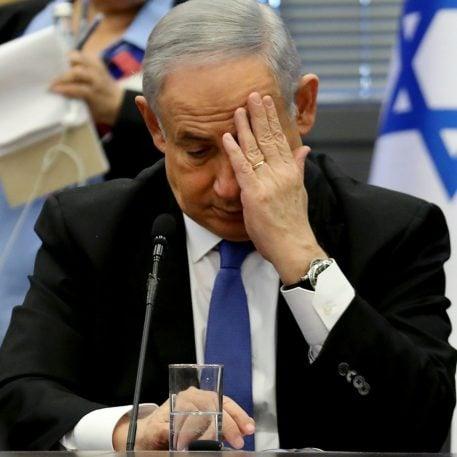
In parallel, بوابة الشروق reported that critics accused Prime Minister Benjamin Netanyahu of allowing US President Donald Trump to impose a ceasefire in Lebanon on him, and it said Netanyahu had repeatedly promised to achieve a decisive victory over Hezbollah.
Calls to Destroy and Clear
Alongside the IDF’s Forward Defense Line, Israeli officials and media described continued efforts to clear areas and destroy infrastructure in Lebanon tied to suspected explosive devices.
The الوطن report says Israeli Defense Minister Yisrael Katz called for destroying any building or road in Lebanon suspected of housing explosive devices, justifying this by the need to protect soldiers, and it attributes the claim to the Israeli Broadcasting Authority.
It also says the Israeli army would continue to clear the geographic area under its control in southern Lebanon, as it claims, and it cites Channel 13 reporting that IDF Chief of Staff Eyal Zamir said, “We fought a fierce battle with Hezbollah and the battle continues.”
The الوطن report also says Israeli media previously quoted a former official in Military Intelligence, Yaakov Neria, that the party emerged stronger from the war, and it frames Hizbollah as “the resistance in facing Israel,” while asking how long Israel could endure daily casualties in Lebanon.
The report further describes protests and mutiny in Kiryat Shmona, saying the settlement announced a mutiny in protest of the ceasefire with Lebanon, describing it as an agreement that serves political interests, amid accusations against Prime Minister Benjamin Netanyahu, the far-right, for turning his back on northern settlers.
It then shifts to reported impacts in Lebanon, saying the town of Kunin in the Bint Jbeil District came under Israeli artillery shelling, with several shells falling.
The Lebanese National News Agency is cited as reporting that the Israeli army is still destroying the remaining houses in the city of Bint Jbeil and that Lebanese Army units dismantled five unexploded aerial bombs in Bint Jbeil and five in Haret Hreik, Beirut’s southern suburbs.
What Comes Next
The sources portray an ongoing contest over what the ceasefire permits and what military activity will continue, with multiple accounts pointing to indefinite or continued operations and to further political pressure inside Israel.
“The IDF has established a Forward Defense Line in southern Lebanon, the military announced on Sunday, publishing a map of the new line on Telegram”
The Jerusalem Post says the IDF has been “officially and unequivocally committed to remaining in southern Lebanon indefinitely,” and it says it regards the Litani River as the new security line with Hezbollah unless the terror group agrees to disarm, according to IDF sources.
It also says the military announced that it will continue to attack Hezbollah terrorists in the southern part of the country unless it surrenders, and it described that Friday statement as “the first aggressive interpretation by a senior Israeli official of the ceasefire's limits.”
Israelhayom similarly argues that if Israel’s freedom of action is taken away, “Israel's security situation along the northern border will be worse,” and it describes the ceasefire as removing Israel’s ability to strike north of the yellow line.
In northern Israel, protests and closures are presented as continuing pressure, with Al Jazeera describing shops and schools shut in protest and Crypto Briefing describing unrest tied to the ceasefire’s terms.
بوابة الشروق adds that Kiryat Shmona’s representatives plan protests in Jerusalem and call for “the complete disarmament of Hezbollah and improved rocket defense for the border city.”
The الوطن report adds that Israeli military actions are continuing alongside the ceasefire, including clearing areas under Israeli control and destroying buildings and roads suspected of housing explosive devices.
More on Gaza Genocide

EU Foreign Ministers Postpone Sanctions Against Israel Over Gaza and West Bank
11 sources compared

European Union Opens Review of Israel Association Agreement After Gaza Offensive, 17 Foreign Ministers Support
12 sources compared
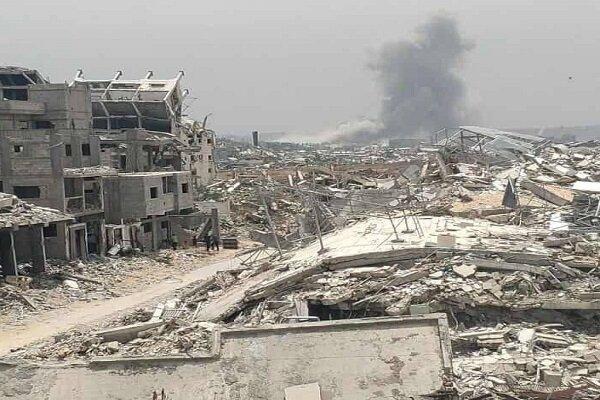
UNICEF Outraged After Israeli Forces Kill Two Water Truck Drivers in Northern Gaza
19 sources compared
Trump’s Gaza Peace Council Talks Paused After US-Iran War Breaks Out
10 sources compared