Crime03 February, 20262 min read
Norwegian Crown Princess's Son Allegedly Drugged Woman, She Says
Marius Borg Høiby, 29, faces 38 charges including four counts of rape in Oslo trial Høiby pleads not guilty, denies rape, and gave tearful, emotional testimony
14 outlets told this the same way.
Trial of Marius Borg Høiby
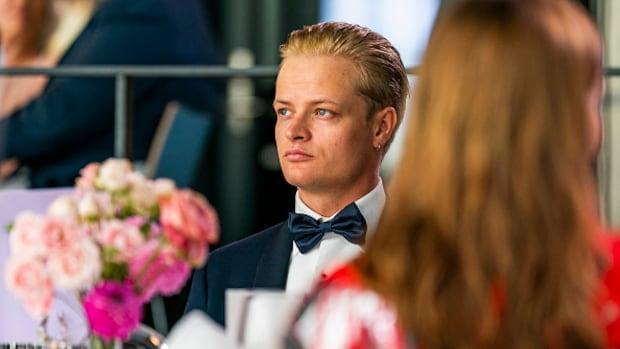
A high-profile criminal trial opened in Oslo this month for 29-year-old Marius Borg Høiby. He is the eldest son of Norway’s Crown Princess Mette-Marit from a relationship before her marriage. Prosecutors have brought 38 charges against Høiby, including four counts of rape, multiple counts of assault and threats, drug offenses and other charges.
“He is accused of raping four women between December 2018 and November 2024, allegedly committing the assaults after consensual sex while the women were asleep or incapacitated; one charge alleges full intercourse, the others sexual assault (legally treated as rape in Norway).”
Several outlets report the proceedings are scheduled to run for weeks, with some citing a March 19 end date. The courtroom has drawn intense public and media attention because of Høiby’s family ties, even though he holds no royal title or official duties.

Allegations of drugging and assault
An alleged victim testified in court that she believes she was drugged and photographed while unconscious. She told the judge the images show her "totally unconscious" and said she "100 percent" thinks she ingested something without her knowledge. Prosecutors say some alleged rapes occurred after encounters that began consensually but where women were later asleep or heavily intoxicated.
Several outlets reported that images or footage were shown in the courtroom but were not released to media. Identities of alleged victims are subject to publication restrictions.

Rape trial summary
Høiby has pleaded not guilty to the rape counts. The defence argues he perceived the encounters as consensual and in some instances says he does not remember the nights in question. Prosecutors say the assaults followed consensual sex but left women unable to defend themselves.
“On Feb. 3 Høiby pleaded not guilty to the rape charges but admitted to some lesser offenses, including transporting 3.5 kg of cannabis in 2020.”
Defence lawyers pointed to earlier statements to police, for example that a woman did not think she had been drugged, to challenge some testimony. The prosecution has shown images and footage in court that it says support victims’ accounts, though those materials have not been released to the public.
Norwegian royal controversy
The trial has intensified scrutiny on the Norwegian royal household. Crown Princess Mette‑Marit’s earlier acknowledged contacts with Jeffrey Epstein and newly public U.S. documents that reportedly mention her have added to the controversy. Senior royals, including Crown Prince Haakon and Mette‑Marit, said they will not attend the trial.
Several outlets report the scandal has dented the monarchy’s image even as public support remains relatively high in some polls. Parliament in Norway moved to publicly reaffirm the monarchy amid the fallout, according to reporting.

Variations in news coverage
Coverage differs in notable ways. Outlets disagree on sentencing figures, with reports ranging from 'at least 10 years' to 'up to 16 years', and on the reported amount of drugs, with some saying 3.5 kg of marijuana while another converted that to 'roughly 7.7 pounds'. Some reports even misname the defendant or get other small factual details wrong.
“On Feb. 3 Høiby pleaded not guilty to the rape charges but admitted to some lesser offenses, including transporting 3.5 kg of cannabis in 2020.”
Some media outlets emphasize courtroom details and victims' testimony (for example Digital Journal, BBC, Le Monde), while others foreground royal family implications and public opinion (for example Al Jazeera, RadarOnline, New York Post). Readers should note these variations and that some evidence shown in court has been restricted from public release.
