Nuevitas thermoelectric plant triggers Cuba's second nationwide blackout in less than a week
Key Takeaways
- Nuevitas thermoelectric plant fault caused nationwide blackout.
- Second nationwide blackout in less than a week.
- Restoration protocols began as power gradually returned islandwide.
Blackout Trigger
Cuba experienced its second nationwide blackout in less than a week on Saturday, March 21, 2026, triggered by a failure at the Nuevitas thermoelectric plant in Camagüey province.
“This video is exclusive to subscribers Enjoy unlimited access Already have a subscription”
The Cuban Electric Union reported that an unexpected shutdown of a generation unit at the Nuevitas plant initiated the catastrophic system failure.

This left approximately 10 million people without electricity across the island.
This represents the seventh national electrical system collapse in roughly 18 months, marking the most severe energy crisis Cuba has faced in decades.
The blackout occurred just five days after a previous nationwide outage, creating an unprecedented sequence of electrical failures that has plunged the country into darkness multiple times this month alone.
System Collapse
The failure at the Nuevitas plant created a cascading effect that rapidly overwhelmed Cuba's fragile electrical infrastructure.
According to officials, when the unit disconnected, it triggered a 'domino effect' or 'chain reaction' that propagated through the machines still in service.
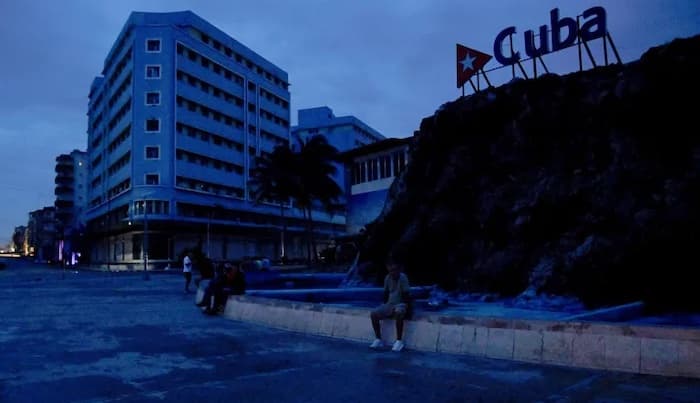
This ultimately led to a complete disconnection of the National Electric System (SEN).
The Cuban Electric Union described how the initial failure caused a cascading effect across the machines that were online.
The Ministry of Energy and Mines confirmed that protocols for gradual restoration were immediately activated.
This type of systemic collapse is particularly devastating because Cuba's electrical grid operates as an interconnected network where failures at key generation points can rapidly escalate into nationwide outages.
Root Causes
Cuba's current energy crisis stems from a complex interplay of systemic infrastructure decay and external political pressures.
“Cuba suffers another nationwide blackout in less than a week - AN / AG Reporting Cuba is immersed in a deep energy crisis since mid-2024, a situation that has worsened in the last three months with the oil blockade imposed by the United States, which has driven power outages to record highs”
The country relies on eight aging thermoelectric plants, some of which have been in operation for over 40 years, creating a grid that is increasingly prone to catastrophic failures.
Cuban officials have long acknowledged that these obsolete infrastructures suffer from constant faults and unplanned outages due to decades of exploitation and chronic lack of investment.
However, the crisis has been dramatically exacerbated by the U.S. oil blockade imposed since January 2026, which has cut off virtually all foreign oil imports to the island.
President Miguel Díaz-Canel confirmed that Cuba has not received oil from foreign suppliers for three months.
The Trump administration has threatened to impose tariffs on any country that sells oil to Cuba, creating what Havana describes as an 'energy blockade' designed to strangle the Cuban economy.
Restoration Challenges
Efforts to restore Cuba's electrical system have been severely hampered by acute fuel shortages and the complex nature of recovering from a complete grid collapse.
According to authorities, the recovery process is slow and phased, with efforts focused on establishing regional microsystems to gradually reconnect electricity across the nation.
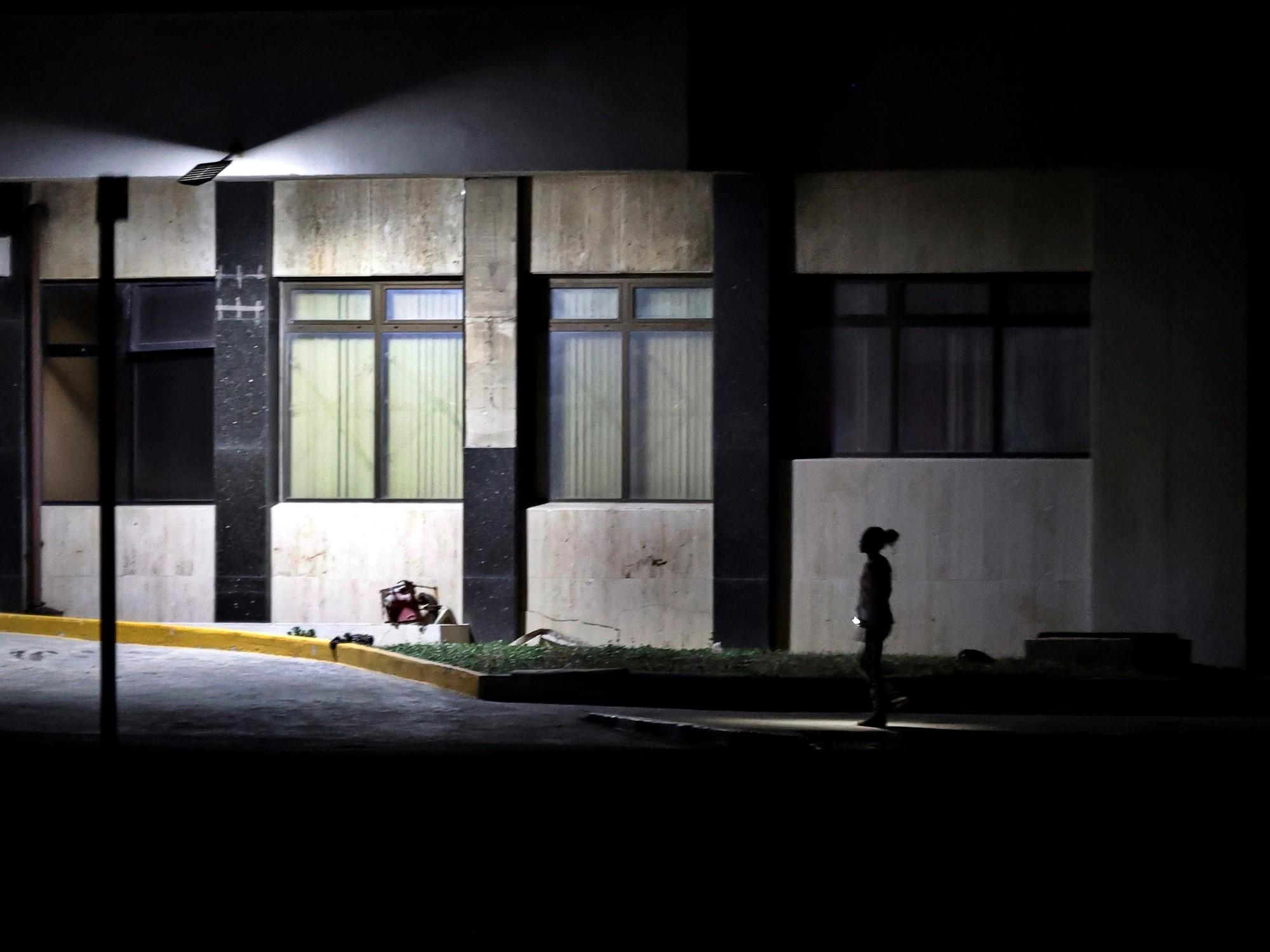
However, the current crisis presents unprecedented challenges because Cuba has virtually no diesel or fuel oil available for its generation engines due to the U.S. oil blockade.
Lázaro Guerra, the Director General of Electricity at MINEM, explained that powering the thermoelectric plants without this fast-start energy source presents significant technical difficulties.
As of Sunday, officials reported that two stable microsystems were operational - one in the western region with Energías Boca de Jaruco and another in the central area utilizing Energías Varadero, Céspedes 3, and the Hanabanilla hydroelectric plant.
Meanwhile, over 90% of Havana remained without power, with Villa Clara having restored only about 25% of its electrical supply.
Human Impact
The blackout occurs against a backdrop of heightened international tensions and growing domestic discontent.
“Cuba is working to restore the electricity supply after another island-wide blackout left more than 10 million people without power”
Cuban President Miguel Díaz-Canel has publicly acknowledged that 'there could be an attack on Cuba' and is preparing the country accordingly.

Trump has stated he may have the 'honor of taking Cuba' and suggested he could do 'anything I want with it.'
In response to the crisis, an international aid convoy from Mexico arrived in Havana carrying medical supplies, food, water, and solar panels.
This was accompanied by several hundred politicians and activists from Latin America and Europe showing solidarity with Cuba.
However, the repeated electrical failures have also sparked rare public dissent, with residents expressing exhaustion and frustration over the constant disruptions.
One Havana resident described the situation as 'total madness,' while another wondered 'if we're going to be like this our whole lives.'
The crisis has forced the postponement of tens of thousands of surgeries and severely impacted daily life, with blackouts lasting up to 15 hours in Havana and even longer in some rural areas.
More on South America

Venezuelan Girl Fabiana Blanco Survived 32 Hours Under Caraballeda Quake Rubble
11 sources compared
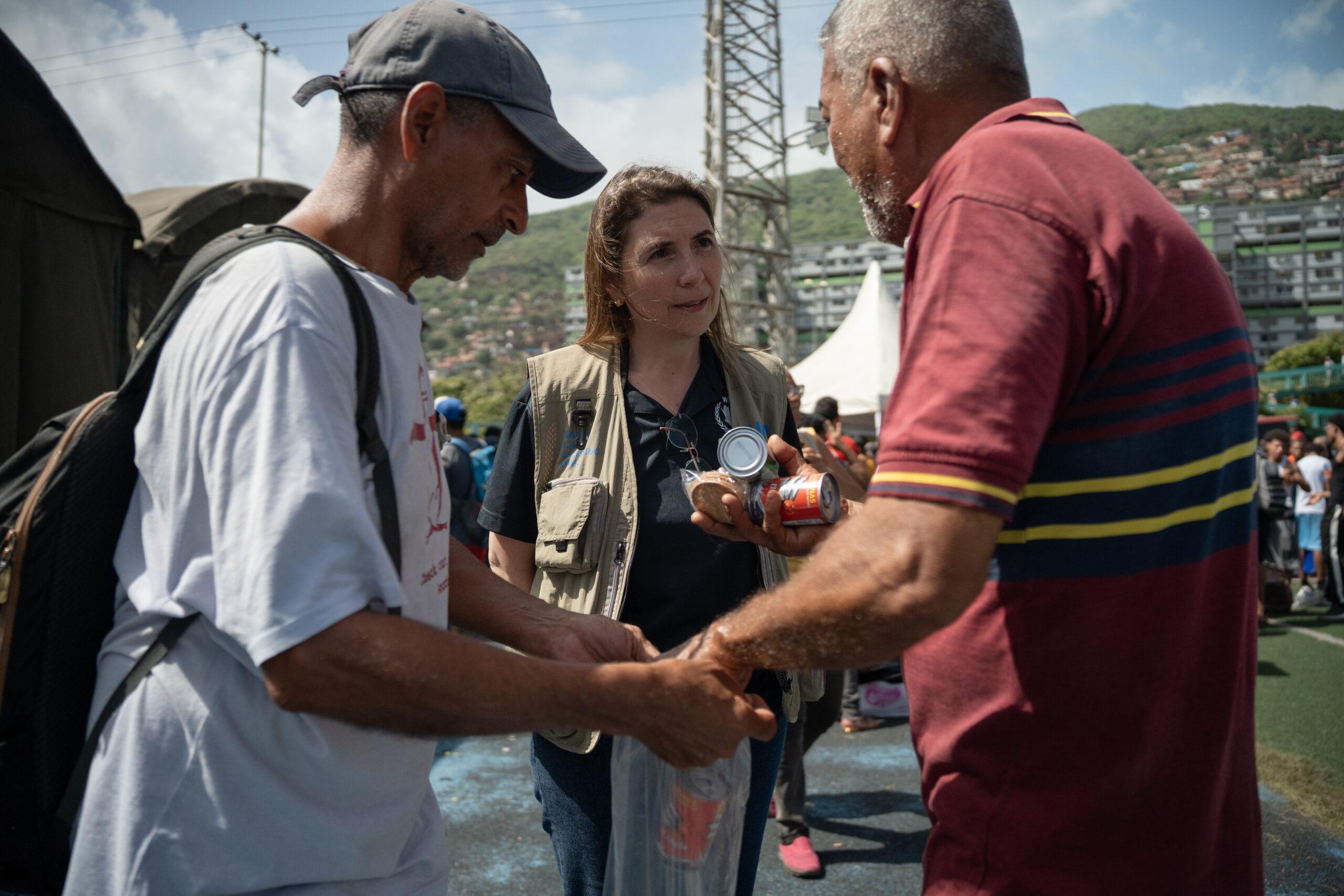
World Food Programme Ramps Up Food Aid After Venezuela Earthquakes Kill 3,535
15 sources compared

Delcy Rodriguez Defends Venezuela Earthquake Response After 3,342 Deaths
15 sources compared
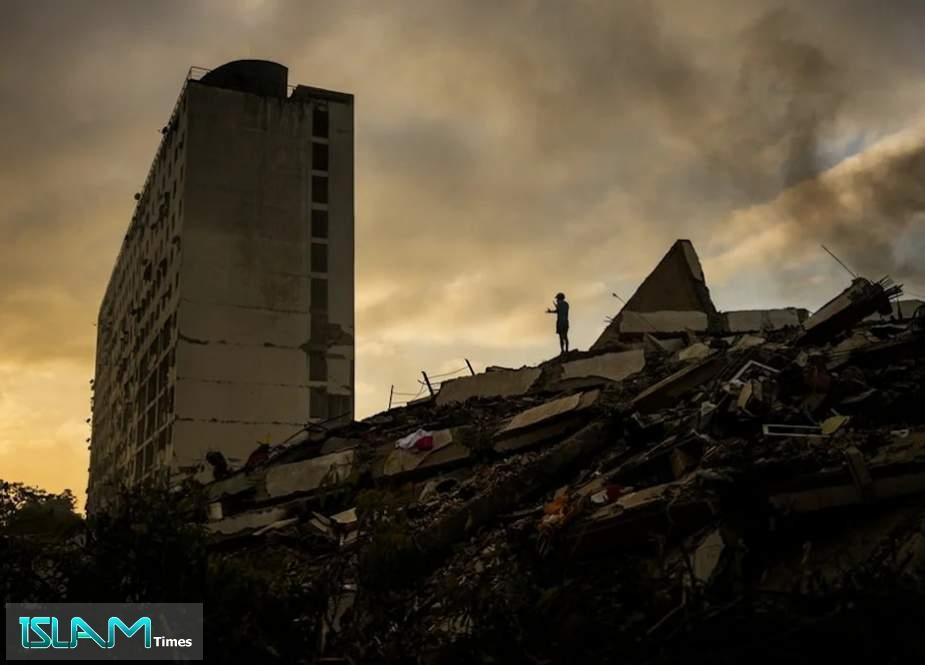
Venezuela Twin Earthquakes Kill 3,535, Injure 16,740, Government Figures Say
24 sources compared