Britain02 December, 20252 min read
OBR Board Member Clears Rachel Reeves, Says She Did Not Mislead Public on Budget
OBR chair Richard Hughes resigned after the watchdog's Budget forecasts were published early online An independent review attributed the early release to WordPress configuration and process failures, not hackers

24 outlets told this the same way.
Outlets did split on UK Police Charge Teddy Young With Spying For Foreign Power, Royal Navy Member →
OBR findings and fallout
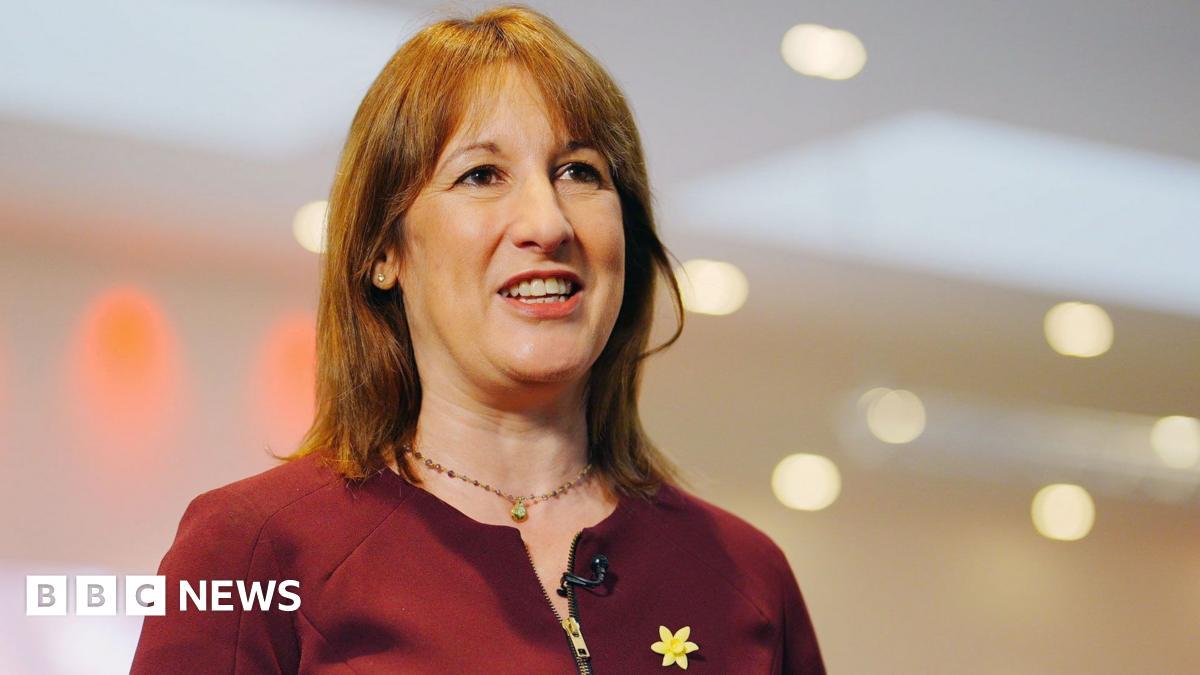
An Office for Budget Responsibility (OBR) board member told MPs he did not think Chancellor Rachel Reeves misled the public with her pre-Budget remarks. The OBR’s communication to the Treasury showed a downgrade to productivity had been largely offset by higher wages, leaving about £4.2bn of headroom in the forecast.
“Britain’s fiscal watchdog told lawmakers it did not consider finance minister Rachel Reeves’s November 4 comments about a ‘very challenging’ fiscal position to be misleading, despite critics who say she appeared to prepare the ground for breaking Labour’s pre‑2024-election pledge not to raise income tax.”
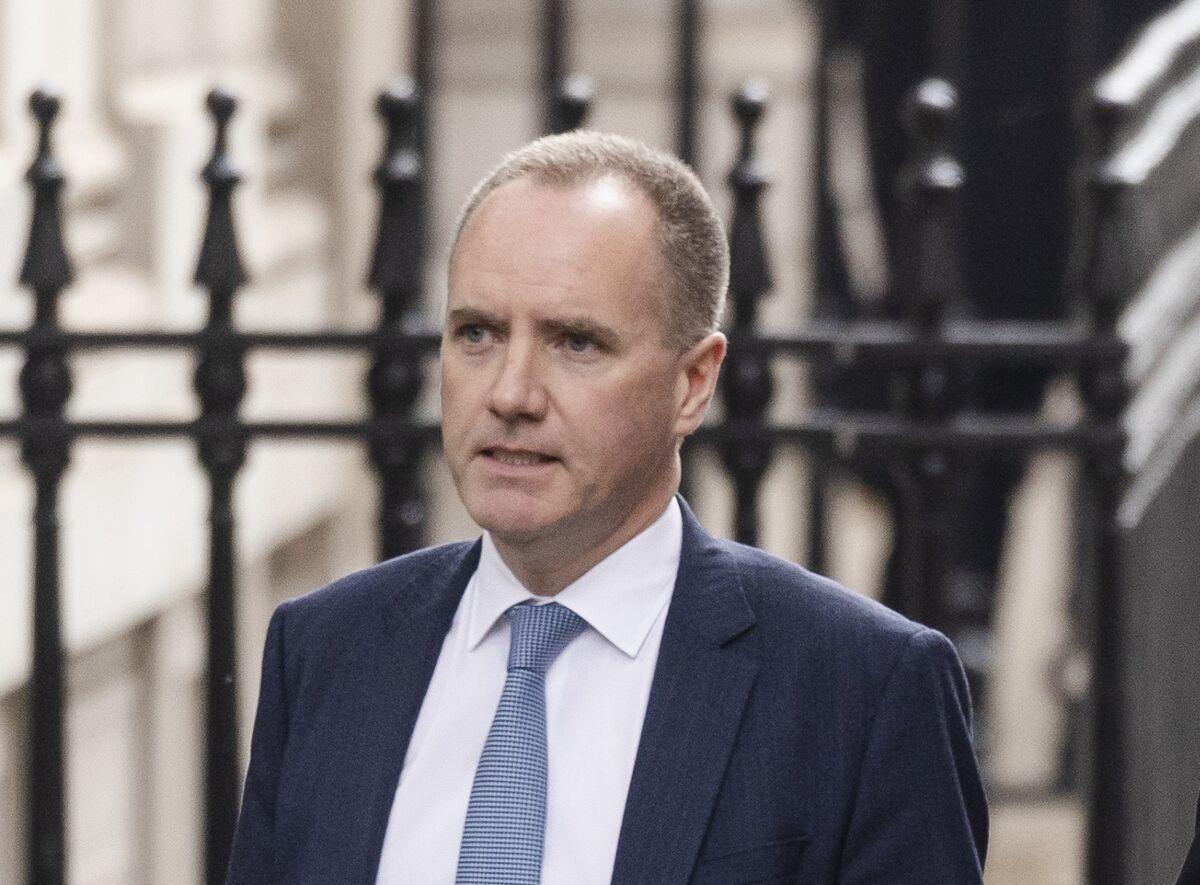
The OBR’s view that Reeves was not misleading was reported to lawmakers. This came as the watchdog apologised for a separate publication failure that revealed Budget details early and prompted the resignation of OBR chair Richard Hughes.
OBR forecast and messaging
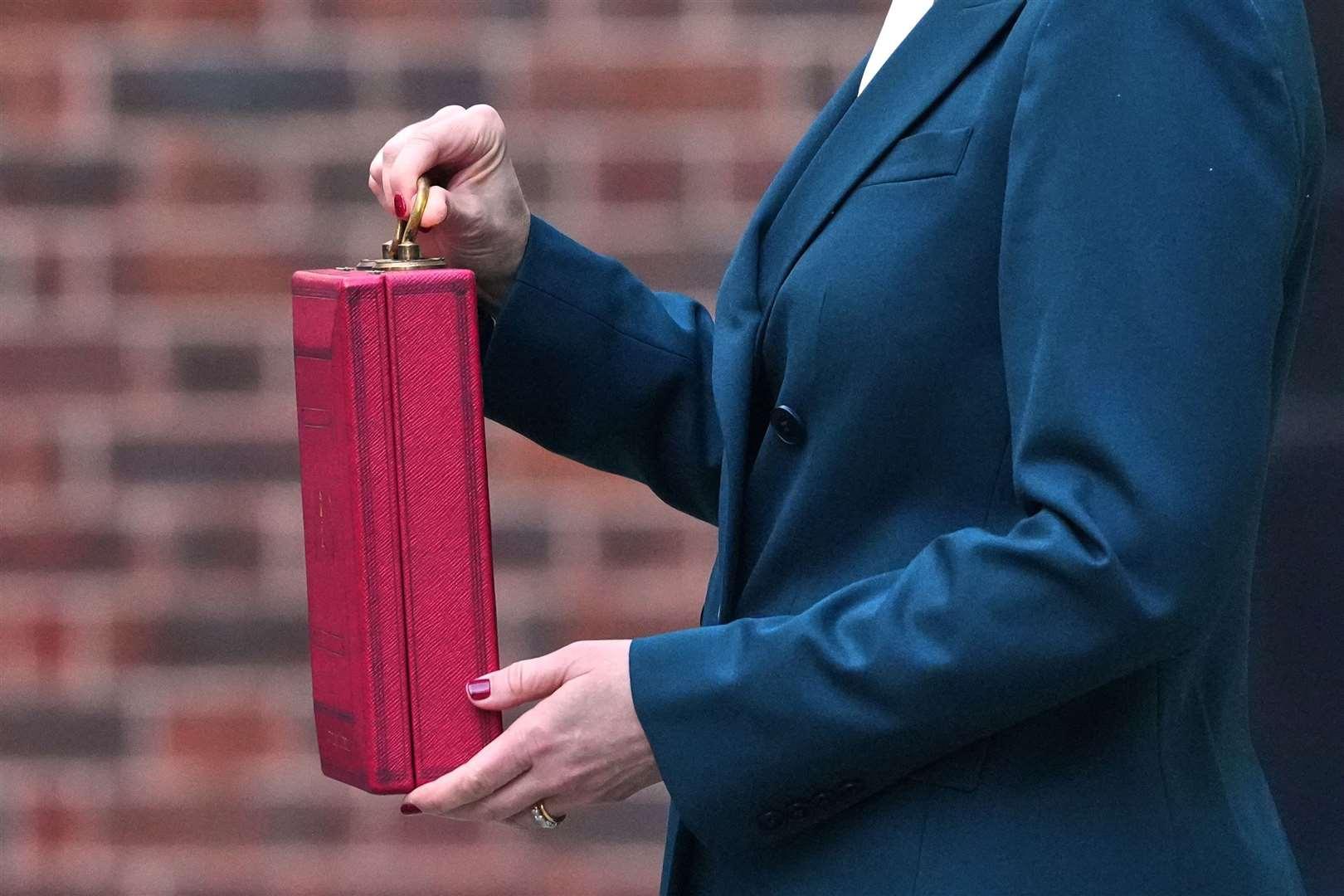
On 31 October the OBR told the Treasury that a productivity downgrade would be largely offset by higher wages and inflation. This left roughly £4.2bn of 'headroom' in its forecast, far smaller than the cushions seen before 2022. OBR figures stressed this point when explaining why Reeves' description of a 'very challenging' fiscal position was technically accurate even if politically sensitive.
OBR committee member David Miles noted that Reeves cited weaker productivity but did not mention the offsetting higher receipts. The OBR's internal handling of the forecast, and how much headroom existed, became central to debates about transparency and political messaging.
Early OBR report release
Internal and rapid external inquiries attributed the premature publication of the OBR's Economic and Fiscal Outlook to technical configuration errors on a WordPress pre-publication facility. Investigators found no evidence of hostile hacking or deliberate insider leaks, and the incident was widely described as the watchdog's "worst failure" in 15 years.
“An internal review found the early release was caused by two pre-existing configuration errors on the watchdog’s WordPress publishing site that made the document viewable to anyone with the correct URL — not by hacking, deliberate action or someone hitting ‘publish’ early.”
Early access allowed Reuters and other outlets to publish details, including market-sensitive tax measures, before the Chancellor spoke. Richard Hughes apologised, accepted responsibility and resigned in an effort to help restore confidence.
OBR publication reforms
The rapid inquiry and subsequent recommendations focused on immediate technical fixes and longer-term publication reform. Investigators recommended removing the OBR's local publishing process, moving forecasts onto a government website, increasing Treasury oversight and resourcing the small OBR team, and implementing a comprehensive overhaul of the pre-publication process.
Sky News and Diss Express emphasised migrating publishing to government platforms and increasing support for the watchdog's limited staff. Black Country Radio and Holyrood highlighted the root causes: a vulnerable pre-publication facility and reliance on an external web developer.
Political and market fallout
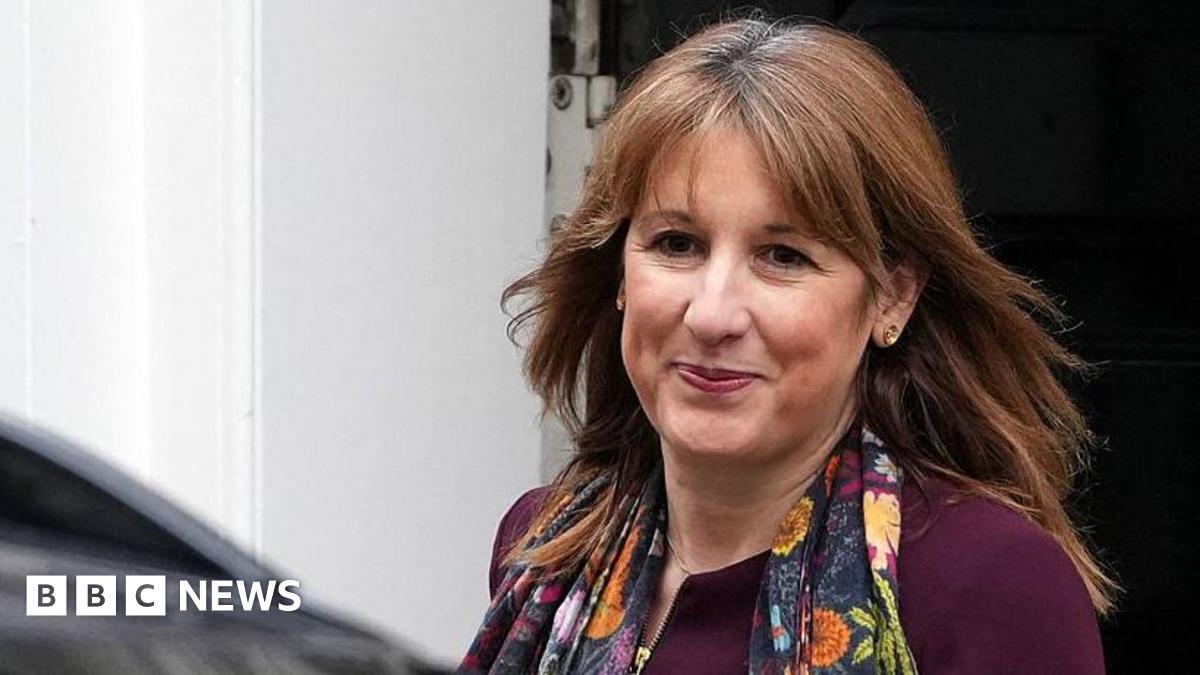
Political reaction and market fallout were immediate and mixed. Conservatives accused the Chancellor of creating a "pessimistic 'smokescreen' to justify tax rises." Labour figures and some MPs thanked OBR staff for their work.
“Conservatives accused her of creating a pessimistic ‘smokescreen’ to justify tax rises; Labour critics deny she was misleading.”
Markets reacted to the early spread of forecast details after Reuters and other outlets published the leaked material. The OBR's resignation and apology drew cross-party praise for taking responsibility. Opposition figures accused that the chair was being used as a "human shield" for fiscal decisions.
Observers therefore face an unsettled picture. The OBR's formal assessment cleared Reeves on the specific question of misleading statements. Political disputes about messaging and the leak's market impact remain unresolved.