
Oil boon, Ukraine forgotten, Iran weakened: How does Russia win or lose from Mideast war
Key Takeaways
- Russia's oil and gas revenues hit a five-year low in 2025
- Global oil prices briefly topped $100 a barrel, first time since 2022
- Middle East war sidelined Ukraine and weakened Iran, altering Russia's strategic landscape
Oil revenue and limits
Global oil prices surged this week, with global prices shooting past $100 a barrel for the first time since 2022 and the spot price of Russia's Urals blend rising approximately 60 percent at one point, reversing a 2025 dip that left Russia's oil and gas revenues at a five-year low.
“Here's a look at how Russia is faring as a result of the war: Higher oil prices Russia's oil and gas revenues dipped to a five-year low in 2025, as Western sanctions and weaker global prices weighed on sales”
The pro-Kremlin Izvestia newspaper reported that every $11-per-barrel increase in oil prices above what Russia has budgeted for could generate an additional $28 billion by the end of the year.
Having run deficits for the past four years, Russia has drained more than half the liquid assets of its rainy-day savings fund paying for the Ukraine war, and it is obliged to divert any windfall from oil price rises to replenish it.
Izvestia said that even at $70 a barrel for Urals, Russia would only reduce its annual budget deficit by 0.1 percent of GDP.
Alexander Kolyandr, a research fellow at the Center for European Policy Analysis (CEPA), warned that "Unless oil prices stay higher for longer and the ruble weakens significantly, the Kremlin's budget problems are here to stay."
Sanctions and market access
Sanctions and market access constrained Russia's ability to capitalise fully on the oil spike: Moscow has struggled to sell supplies beyond Asian markets due to sanctions, the European Union banned maritime imports of Russian crude in 2022, and pipeline exports to Hungary and Slovakia have been effectively blocked since January due to damage to the Druzhba oil pipeline via Ukraine.
Terje Aasland, the energy minister of Norway, not an EU member, said last week he expected soaring prices to reopen a debate inside the bloc about a ban on Russian gas imports, set to come into effect in 2027.
President Vladimir Putin on Monday offered to supply oil to Europe should it reverse on sanctions, but only on a "long-term" basis and "free from political pressure."
Russia–Iran ties and risks
Russia has strengthened ties with Iran since launching its Ukraine offensive, with the two boosting trade and Tehran giving Moscow blueprints for drones that Moscow uses to pound Ukrainian cities, and the countries signed a broad cooperation agreement in January last year in which they both agreed to counter common threats.
“Here's a look at how Russia is faring as a result of the war: Higher oil prices Russia's oil and gas revenues dipped to a five-year low in 2025, as Western sanctions and weaker global prices weighed on sales”
Still, analysts say Moscow has few options to help Iran militarily, and the relationship faces strains: Ivan Bocharov of the Russian International Affairs Council said "The image of Russia in Iran is inevitably suffering" and that "This undermines trust," calling the conflict "not in Russia's interests."
Analyst Nikita Smagin wrote for Carnegie Politika that "Even if the Iranian regime manages to cling on, the fighting will end up damaging Russian interests and jeopardising its projects in the region."
Moscow has numerous planned investments in Iran, among them a $25 billion nuclear power plant earmarked for construction in the southern Hormozgan region, and Smagin warned these plans "could become a 'waste of time' if Iran is plagued by long-term instability," while any government that replaces Iran's clerical rulers could pivot away from Moscow.
Shifted focus from Ukraine
The Iran conflict has diverted global attention away from Russia's assault on Ukraine and forced Kyiv's Western allies to shift resources to the Middle East, a development that could weaken Ukraine's position and benefit Moscow.
The Kremlin said Tuesday there was no date or venue for a next round of talks between Moscow, Kyiv and Washington.
Ukrainian President Volodymyr Zelensky has acknowledged a long war could hit vital air defence supplies for his forces, as Washington diverts them to the Gulf.
More on Iran
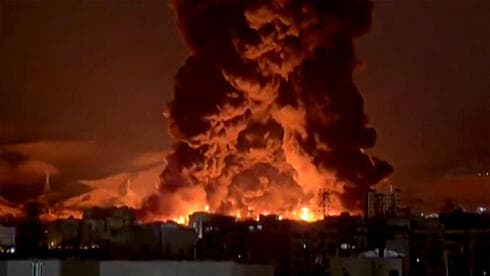
US obliterates military targets on Iran’s Kharg Island, Trump warns
13 sources compared
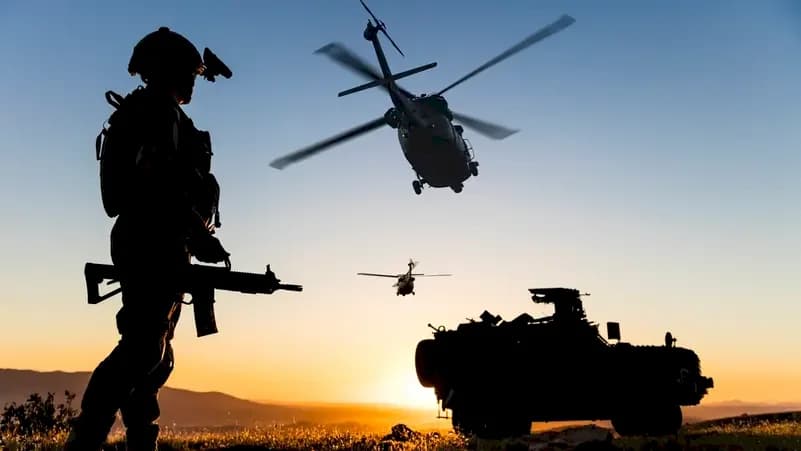
US Deploys About 2,500 Marines to Middle East After Iran Attacks Gulf Shipping
33 sources compared
FBI Warns of Iranian Drone Plot Based on Unverified Tip; California Says No Credible Threat
10 sources compared

White House Demands ABC Retract Report Claiming Iran Sought To Launch Drone Attacks On California
11 sources compared