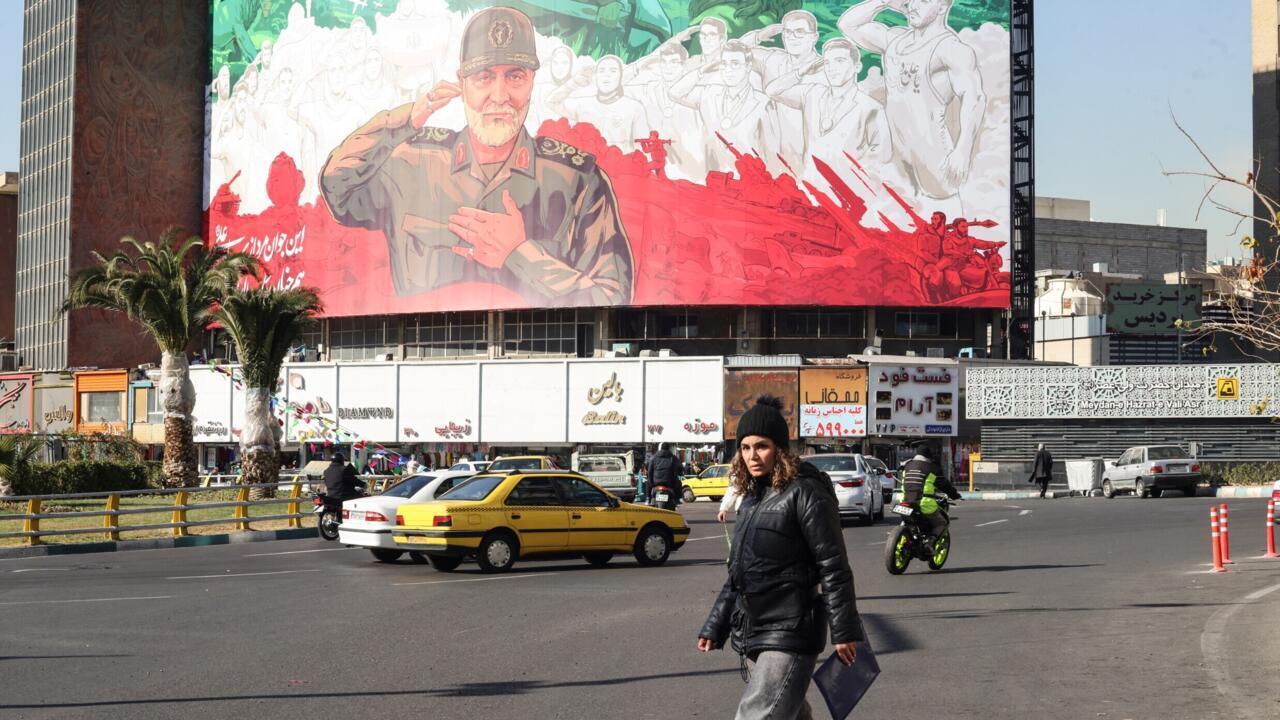
U.S. Weighs Iranian Proposal To Lift Strait Of Hormuz Blockades, Delay Nuclear Talks
Key Takeaways
- Iran proposes reopening Strait of Hormuz and ending the war if blockade is lifted.
- The United States is weighing the Iranian proposal, considering delaying nuclear talks.
- Oil prices rose as talks stalled and Hormuz tensions persisted.
Hormuz Proposal, Nuclear Delay
The United States is weighing an Iranian proposal that would immediately lift blockades in the Strait of Hormuz while delaying talks about Iran’s nuclear program and a larger peace deal, according to The Washington Post.
The proposal would have the United States and Iran “immediately lift their blockades in the Strait of Hormuz but delay talks regarding Iran’s nuclear program,” the paper reported, quoting Rubio that “Suffice it to say that the nuclear question is the reason why we’re in this in the first place.”
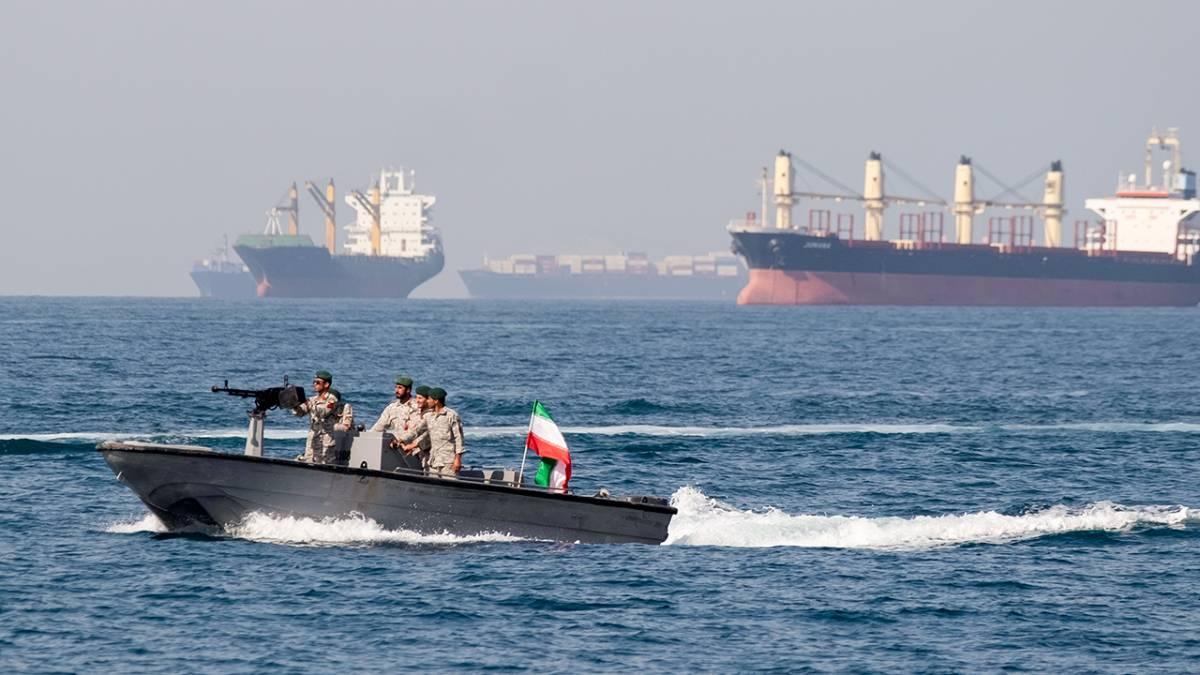
Rubio also said the U.S. would not “normalize” a situation in which Iran controlled the strait, arguing “They cannot normalize nor can we tolerate them trying to normalize a system in which the Iranians decide who gets to use an international waterway and how much you have to pay them to use it.”
Under the proposal, Iran is asking the U.S. to lift its blockade of Iranian ports in exchange for Tehran reopening the strait to maritime traffic, according to “a Pakistani official who was briefed on the matter.”
The Washington Post said the official did not specify whether Tehran would still require vessels to coordinate passage with the country’s military or to pay a toll.
NBC News similarly reported that Iran presented a proposal to focus on opening the Strait of Hormuz and ending the war while tabling “thorny discussions around Iran’s nuclear program until a later date.”
NBC News added that White House press secretary Karoline Leavitt confirmed the proposal was discussed in a meeting between President Donald Trump and his national security team, while also saying, “I wouldn’t say they’re considering it.”
The dispute over whether the strait can be reopened without resolving nuclear questions remained central as the talks hit an impasse, with CNBC reporting that the proposal would postpone negotiations on Tehran’s nuclear ambitions for a later date.
Trump, Rubio, and the Red Lines
President Donald Trump said Iran told him it is in a “state of collapse” and wants the U.S. to open the Strait of Hormuz “as soon as possible” while they try to “figure out their leadership situation,” according to TIME.
Trump’s remarks came as he was reportedly unhappy with Iran’s latest proposal to reopen the Strait of Hormuz while sidelining questions about the nuclear program, TIME reported.

White House spokesperson Olivia Wales told TIME that “We have been clear about our red lines and the President will only make a deal that’s good for the American people and the world,” when approached about the reported proposal.
Secretary of State Marco Rubio dismissed any notion of a proposal that doesn’t center the conversation about Iran’s nuclear capabilities, telling Fox News on Monday night that “There’s no doubt in my mind that at some point in the future if this radical clerical regime remains in charge in Iran, they will decide they want a nuclear weapon.”
Rubio emphasized that Iran’s nuclear capability remains a “fundamental issue” that “still has to be confronted,” and he argued that negotiators are trying to “buy time.”
TIME reported that Rubio said the reopening of the Strait cannot be contingent on Iran maintaining control over the key waterway, repeating that “Those are international waterways. They cannot normalize nor can we tolerate them trying to normalize a system in which the Iranians decide who gets to use an international waterway and how much you have to pay them to use it.”
TIME also said Rubio reemphasized that no vessel should have to pay a toll to Iran for safe passage.
In parallel, CNN reported that Trump was “unlikely to accept Iran’s latest proposal to end the conflict,” citing sources and noting the plan would reopen the Strait of Hormuz but leave questions about Tehran’s nuclear program for later negotiations.
Blockade, Redirects, and Canceled Envoys
The U.S. naval blockade remained active as negotiations stalled, with TIME reporting that U.S. Central Command (CENTCOM) said Tuesday that Marines stopped and searched another vessel to confirm the ship’s voyage would not include an Iranian port call.
TIME reported that “39 vessels have been redirected since the U.S. naval blockade began on April 13,” tying the operational pressure to the diplomatic stalemate.
TIME also said Trump canceled a planned trip by his son-in-law Jared Kushner and special envoy Steve Witkoff to Islamabad, Pakistan on April 25 amid uncertainty over whether Iranian negotiators would attend.
Trump’s explanation echoed earlier public remarks, with TIME quoting him: “Too much time wasted on traveling, too much work!” and adding “Besides which, there is tremendous infighting and confusion within their ‘leadership.’ Nobody knows who is in charge, including them.”
BBC reported that Trump said on Saturday he had canceled plans to send a team to Pakistan for negotiations with their Iranian counterparts, and it linked the decision to the stalled second round of peace talks.
BBC also reported that Iranian Foreign Minister Seyed Abbas Araghchi said on Sunday that “important discussions on bilateral matters and regional developments” were ongoing with Oman, and that he posted on social media: “Our focus included ways to ensure safe transit that is to benefit all dear neighbors and the world. Our neighbors are our priority.”
CNN reported that Iran’s Foreign Minister Abbas Araghchi previously gave Pakistan a list of “red lines” to be conveyed to the U.S., according to state media.
CNBC added a financial dimension, reporting that U.S. Treasury yields rose on Tuesday as investors awaited developments on negotiations between the U.S. and Iran that hit an impasse, while oil prices edged higher Tuesday as uncertainty lingered over the outcome of the war.
Russia Mediation and Putin’s Message
Russia’s role in the diplomacy featured prominently across multiple reports, with The Washington Post describing how Putin sought to avoid upsetting relations with Trump while also offering to mediate between Iran, the U.S. and Israel.
The Washington Post said Araghchi arrived in St. Petersburg early Monday after stops in Oman and Pakistan, and it reported that Putin told Araghchi, “We very much hope that, relying on this courage and the aspiration for independence, the Iranian people, under the leadership of the new leader, will get through this difficult period of trials — and that peace will come.”

The paper added that Putin said, “For our part, we will do everything that serves your interests and the interests of all the peoples of the region in order to ensure that this peace is achieved as soon as possible,” citing RIA Novosti.
Al Jazeera reported that Iran’s Foreign Minister Abbas Araghchi met Russian President Vladimir Putin in Saint Petersburg and said Tehran is considering a US request to resume negotiations, framing the meeting as cautious movement on diplomacy despite ongoing tensions.
NBC News reported that Araghchi traveled to Islamabad to present the latest Iranian proposal to mediating Pakistani officials but refused to meet directly with U.S. officials, then flew to Russia on Monday to meet Putin after Trump scrapped the planned trip by Witkoff and Kushner.
NBC News quoted Araghchi after meeting Putin: “Iran is resisting the biggest superpower in the world,” and it said he added that the U.S. “hasn't 'achieved a single goal. That’s why' Trump is 'asking for negotiations, and we’re considering it.'”
CNN reported that Putin said he received a message last week from Iran’s new supreme leader and included Putin’s message: “Please convey to the Supreme Leader my appreciation for his message and my best wishes for his good health and well-being.”
CNN also reported that Putin said Russia “will do everything that meets your interests and the interests of all the peoples in the region in order to ensure that this peace is achieved as quickly as possible.”
Economic Shock and Market Reaction
As diplomacy stalled, the Strait of Hormuz dispute continued to ripple through markets and policy discussions, with BBC reporting that oil prices rose as U.S.-Iran peace talks stalled.
BBC said Brent crude, the global benchmark, rose “over 3% to over $109 (£80) a barrel on Monday before falling back slightly,” and it linked the pressure to the strait being effectively closed by the conflict.

BBC also reported that around a fifth of the world’s crude oil and liquified natural gas (LNG) usually passes through the Strait of Hormuz, and it quoted BNP Paribas strategist Sophie Huynh saying the closure could affect “bin bags to medicine,” while warning that if the strait remains closed for more than a few weeks, effects would be “really far reaching in terms of supply chain.”
CNBC reported that U.S. Treasury yields rose on Tuesday as investors awaited developments on negotiations, with the 10-year U.S. Treasury note adding 1 basis point to 4.346% and the 2-year note rising more than 3 basis points to 3.836%.
CNBC also said oil prices edged higher Tuesday as uncertainty lingered over the outcome of the war, and it tied the market focus to the Fed’s two-day monetary policy meeting that wraps up Wednesday, when Jerome Powell and the Federal Open Market Committee were expected to keep interest rates on hold at their current 3.50% to 3.75%.
The Washington Post similarly warned that a prolonged blockade could send energy prices and fertilizer shortages spiking further and raise political peril for Republicans in November’s midterm elections, while noting that the price of Brent crude oil passed $111 a barrel on Tuesday.
In parallel, Al Jazeera reported that dozens of countries called for the “urgent and unimpeded reopening” of the Strait of Hormuz and quoted United Nations chief Antonio Guterres warning the impasse risks the “worst supply chain disruption since COVID-19 and the war in Ukraine.”
The economic stakes were also reflected in the political framing in the U.K., where BBC reported Prime Minister Sir Keir Starmer said the economic consequences “could still be with us for some time,” and it quoted him saying “What Iran shows is that once again events happening miles away from Britain have the capacity to hurt our living standards, our future and our security.”
More on Iran
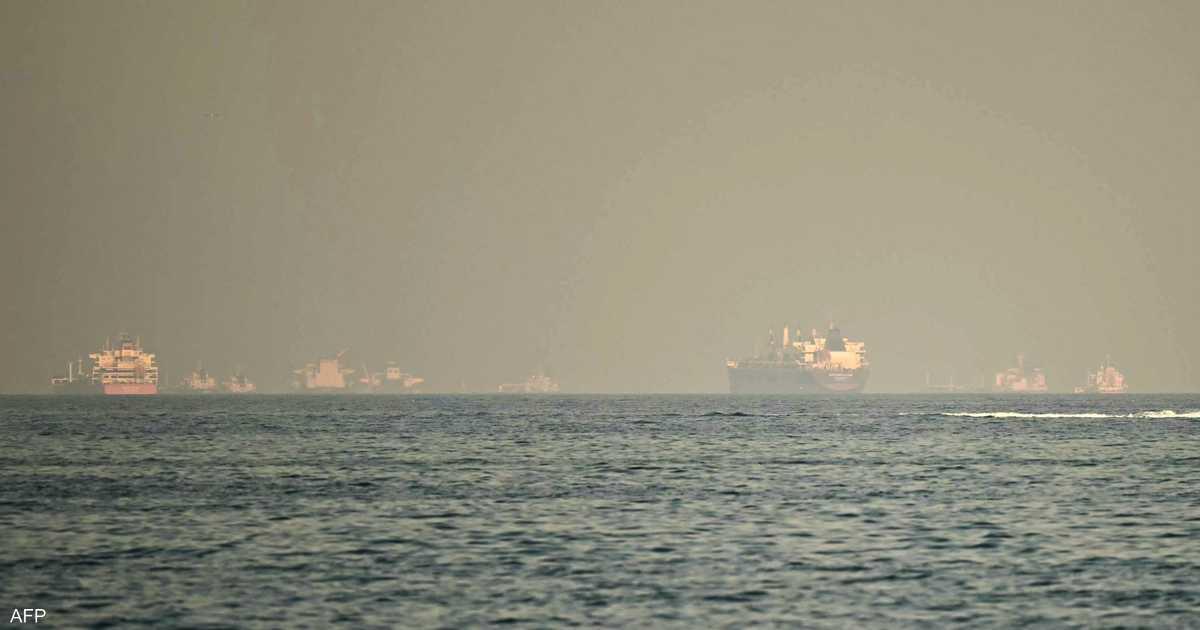
Trump Administration Rejects Iran Proposal To Reopen Strait Of Hormuz Without Nuclear Deal
12 sources compared
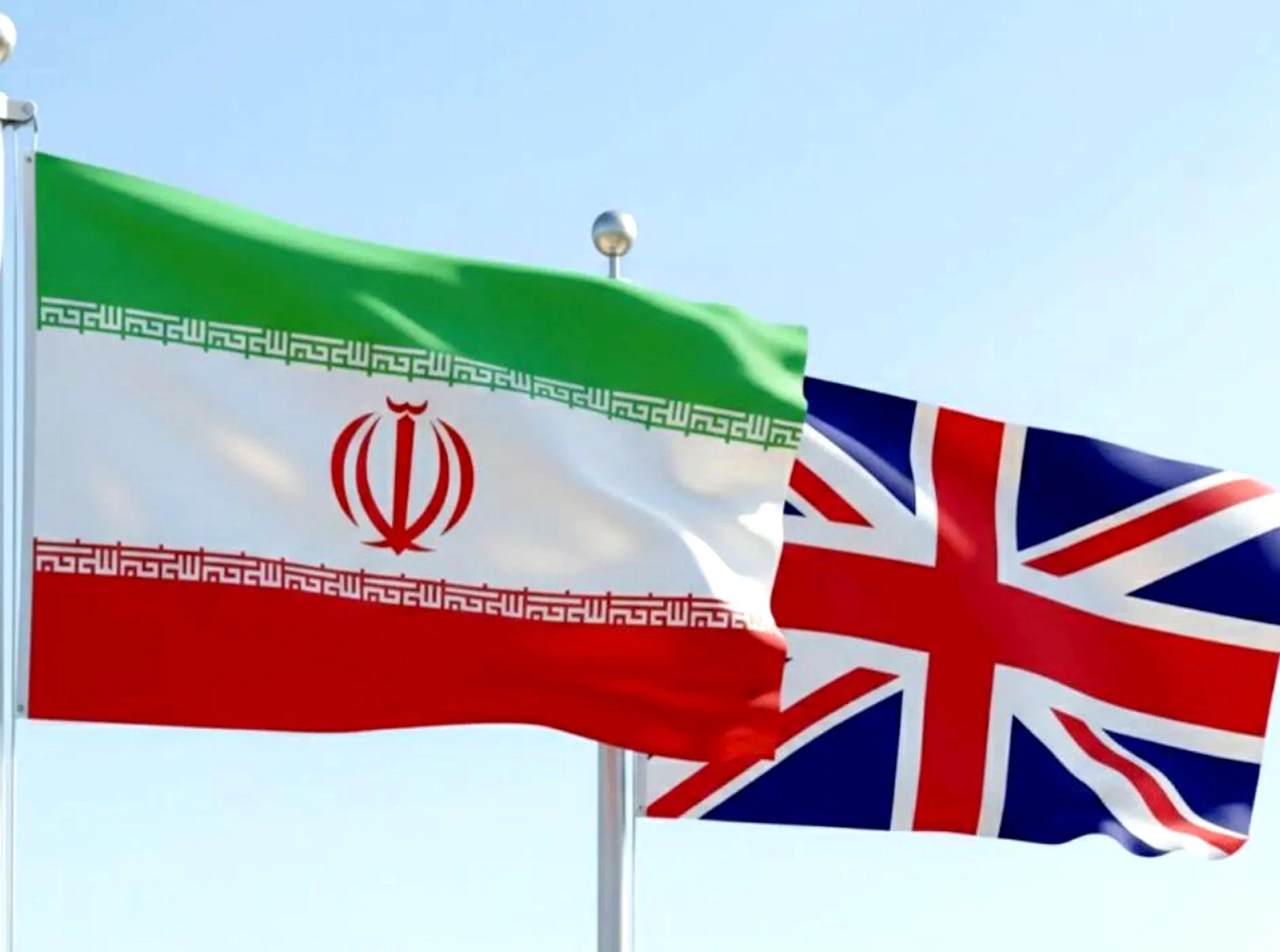
Britain Summons Iran’s Ambassador in London Over Unacceptable Inflammatory Embassy Social Media Posts
10 sources compared

Sir Christian Turner Says U.S. Special Relationship Is Probably Israel in Leaked Remarks
36 sources compared

Donald Trump Hosts King Charles and Queen Camilla at White House State Dinner
33 sources compared